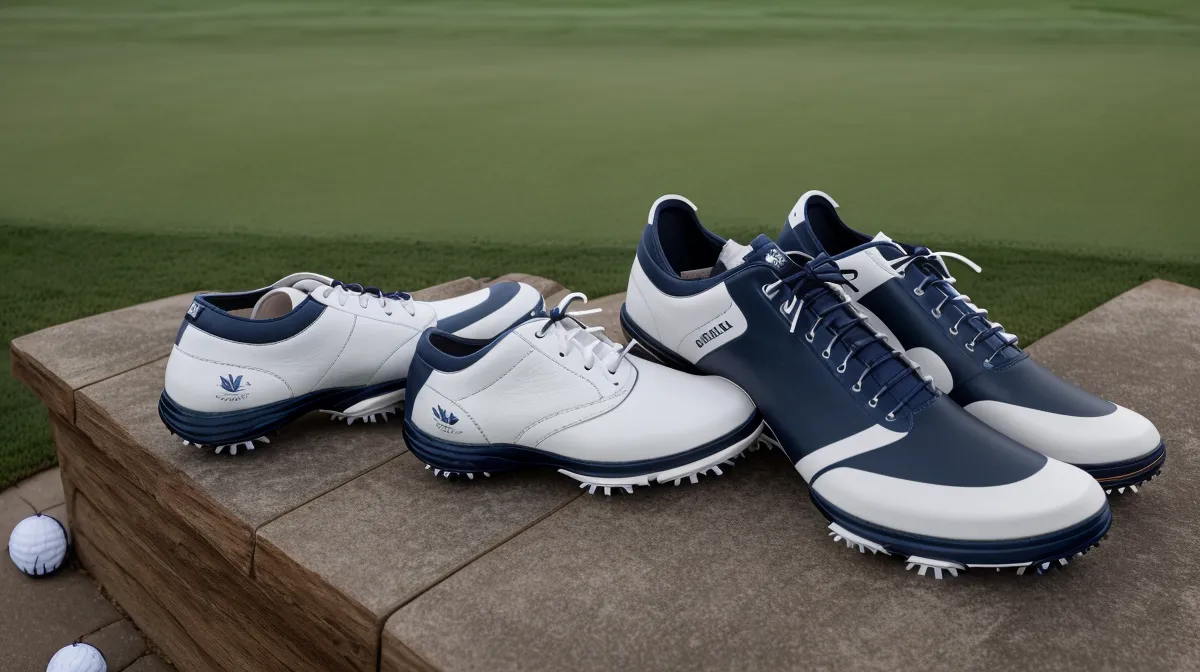
A hundred and ten yards out at Raven Golf Club at South Mountain, my old spikeless shoes let my lead foot slide half an inch on firm turf; the pair I wear now didn't move once in eighteen holes. That gap is the whole reason I got serious about golf shoes and knee health instead of just grabbing whatever felt comfortable in the pro shop. Golf loads the lead foot sideways, not straight down, and a shoe built with no lateral support turns that load into knee pain somewhere around the back nine.
Full disclosure before we get into it: some links below are affiliate links, and I earn a small commission if you buy through them, at no extra cost to you. I'm not running sponsored loaners or press samples; every shoe here got laced up for real rounds and tracked in the same notebook I keep for every piece of gear I test. Full testing notes live in the Editorial Policy.
Why Lateral Support Beats Extra Cushion for a Bad Knee
My knee gave out in 2020, right when running stopped being an option, and golf became the sport that let me stay active without pounding pavement. What I didn't expect: a golf swing is a side-to-side sport dressed up as a walking one. The lead foot plants, the hips clear, and all that rotational force has to go somewhere; if the shoe's chassis flexes or twists underneath, the knee absorbs the shear instead of the outsole. Lateral support isn't about extra cushion at all. It's about a base that stays flat and square while everything above it is trying to rotate. A soft, spikeless shoe that feels like a slipper in the pro shop can't do that job; the foot rolls a fraction, the knee compensates, and by the back nine I'm reaching for ibuprofen instead of a scorecard pencil.
Somewhere around a 14 handicap most seasons, I'm not chasing tour numbers here; I'm chasing eighteen holes without a limp on Monday morning. Hank Viteri, who I play with most Wednesday mornings and who somehow knows where every water spigot on every public course in the Valley sits, took one look at my old spikeless pair last spring and said the outsole looked like a pancake. He wasn't wrong. That's what sent me back to FootJoy, a brand that's been the most-worn shoe on the PGA Tour for longer than I've been playing this game.
The Rigid-Outsole Trade-off
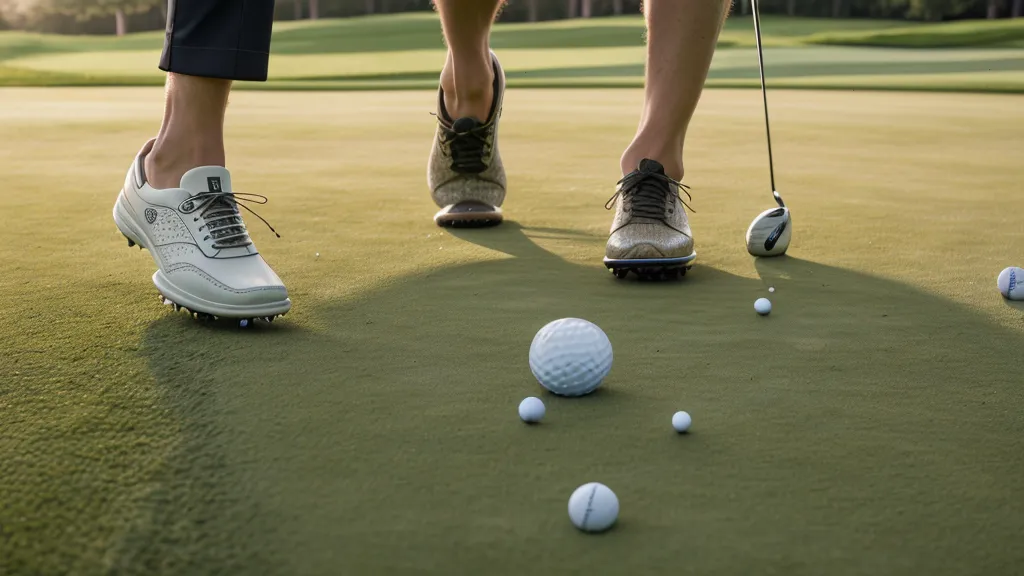
There's a real trade-off once you go looking for a stiffer platform. A rigid outsole is what keeps the chassis from twisting, but it also means a longer break-in than any mesh sneaker off the shelf. The FootJoy Pro/SLX and the Premier Series both lean into that trade-off on purpose. First time I laced up the Pro/SLX, they felt closer to a new work boot than a golf shoe; stiff through the arch, resistant at the heel, nothing like the broken-in feel I was used to.
By the fifth week of wearing them into rotation, the leather had finally given a little through the forefoot, but the outsole itself hadn't softened at all. That's the point. My lead knee stayed stacked over my ankle through impact instead of rolling in, which is exactly what a physical therapist would want to see. If you're dealing with similar joint trouble, pairing a stable shoe with insoles built for walkers managing knee and joint pain fills in the arch support the factory footbed doesn't quite cover; I run that combination on any week I'm walking more rounds than usual.
Fifty Rounds: What This FootJoy Review Actually Tracked
My notebook has one rule that doesn't bend: no shoe gets a final grade before fifty rounds. A shoe can look sharp in the box and still fall apart by round twenty; the foam packs down, the lateral walls start to give at the edges, and the whole platform gets soft exactly where you need it firm. A couple of pairs from other brands have done that to me, which is part of why I don't trust a review written after a demo round or two.
Walking Raven in July heat, I was watching my feet more than my swing for a stretch; sweat and heat-softened turf are a rough combination for a shoe's structure. Even then, the Pro/SLX held its shape through the back nine. I'd been glad for a FootJoy moisture-wicking shirt built for walking in the heat on that same round, but it was the shoes doing the real work underneath. The two-year waterproof warranty on the flagship line is a nice safety net; the part I actually pay for is the structure holding its shape well past round thirty, not just the guarantee against leaks.
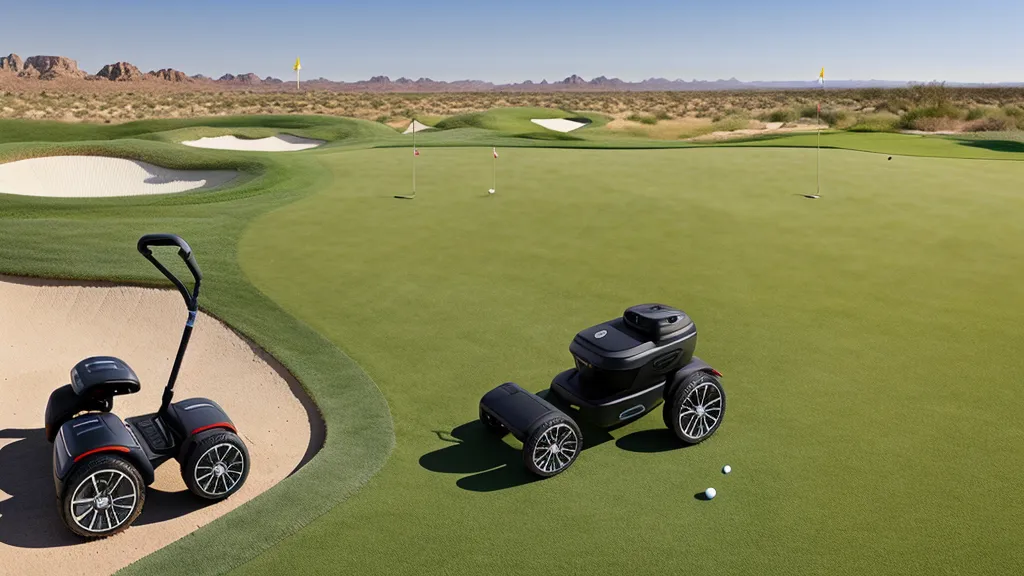
Pushing my cart down the steep drop off the fifteenth at Raven, I noticed the wheels weren't drifting on the grade, and neither was my footing; both things staying put on that kind of slope isn't an accident. Pairing a stable shoe with a stable cart changed how my legs felt by the end of a round more than any single piece of gear had on its own. I've been running the Alphard Golf Club Booster V2Pro to take the pushing out of push-cart golf, and getting that strain off my lead leg let me actually pay attention to my footwork instead of just surviving the walk; a cart that tracks straight on a downhill matters nearly as much as what you've got laced onto your feet, and I go into that more in my Alphard Club Booster V2Pro review.
Spiked or Spikeless: The Chassis Question
Spiked versus spikeless gets argued like it's the whole answer, but the spikes aren't what's saving your knee; the chassis underneath is. The Premier Series looks like a dress shoe and still runs a modern plate stiff enough to hold a lateral load. Some rounds I've got a SWAG Golf Putter in the bag too, and there's a version of this same logic in a putter grip; too little pressure in your hands and the face wanders, same as too little structure in a shoe lets your foot wander.
If spikeless is more your speed, the Pro/SLX runs its own traction system without the pressure points a spike plate can leave under a long walk. Doesn't matter if I've got Titleist Pro V1s in the bag or I'm testing Vice Golf balls to see how the cover holds up off cart paths; the shoe is still the foundation everything else stands on. I learned that lesson the hard way with balls, too, before I ever thought much about feet; a run of low-compression balls that still gouged apart against granite cart paths taught me that a durability claim on the box and a durability claim after real rounds are two different things.
Traction on hardpan is really its own topic; I've broken that down elsewhere for anyone chasing grip on the driest desert lies. What matters here is simpler: whichever chassis you pick, spiked or spikeless, it has to keep the foot flat when the swing tries to twist it.
For early rounds with dew still on the fairway, waterproof golf shoes built for morning dew and rain are worth a look too. FootJoy earns its reputation in that category through the leather treatment as much as the outsole underneath it.
Walking Eighteen With a Knee That Finally Trusts Its Footing
A reader named Alma Vickery emailed a while back after a push cart review, saying it solved a knee problem she'd been fighting since her own surgery; she's written in a few times since, always looking for the next thing that might save her from a bad purchase. That kind of note is why I keep the fifty-round rule instead of writing something up after a demo round. Gear that only holds up for ten rounds isn't actually solving anything; it's just delaying the same problem.
Walking Raven now, eighteen holes in July heat included, my foot doesn't shift on the descents and my knee isn't the thing deciding when the round ends anymore. That's the whole test, really; not whether a shoe feels good in the pro shop, but whether it still holds its ground on hole sixteen the way it did on hole one.
The Verdict After a Full Season of Rounds
Skimping on golf shoes is a lot like putting the cheapest tires you can find on a truck you drive every day; it works right up until the moment you need it to hold a line, and then it doesn't. The FootJoy flagship lines cost more than the casual spikeless options, and the break-in period is real, but they're the only shoes in my rotation that survived the fifty-round notebook test without losing lateral support along the way.
Get measured at a real pro shop before you commit to a pair; a stable shoe in the wrong size is just an expensive way to earn a blister. And if your knee has been the thing ending your rounds early, check the outsole before you blame the cushioning: a shoe that lets your foot slide is doing more damage over eighteen holes than a stiff one that takes a few rounds to break in.
| Product | Rating | |
|---|---|---|
| FootJoy Pro/SLX Best for Stability | 9.4 | Read More → |
| Alphard Club Booster V2Pro | 9.1 | Read More → |
| SWAG Golf Putter | 8.9 | Read More → |
| Titleist Pro V1 | 9.0 | Read More → |
| Vice Golf Pro Plus | 8.6 | Read More → |
FootJoy
Pros
- ✔ Unmatched lateral stability prevents lead-knee shearing
- ✔ Proven 2-year waterproof warranty on flagship models
- ✔ Structural integrity holds up well past the 30-round mark
- ✔ Classic and modern styles that actually function like athletic gear
Cons
- ✘ Rigid outsoles require a longer break-in period
- ✘ Premium pricing compared to casual spikeless brands