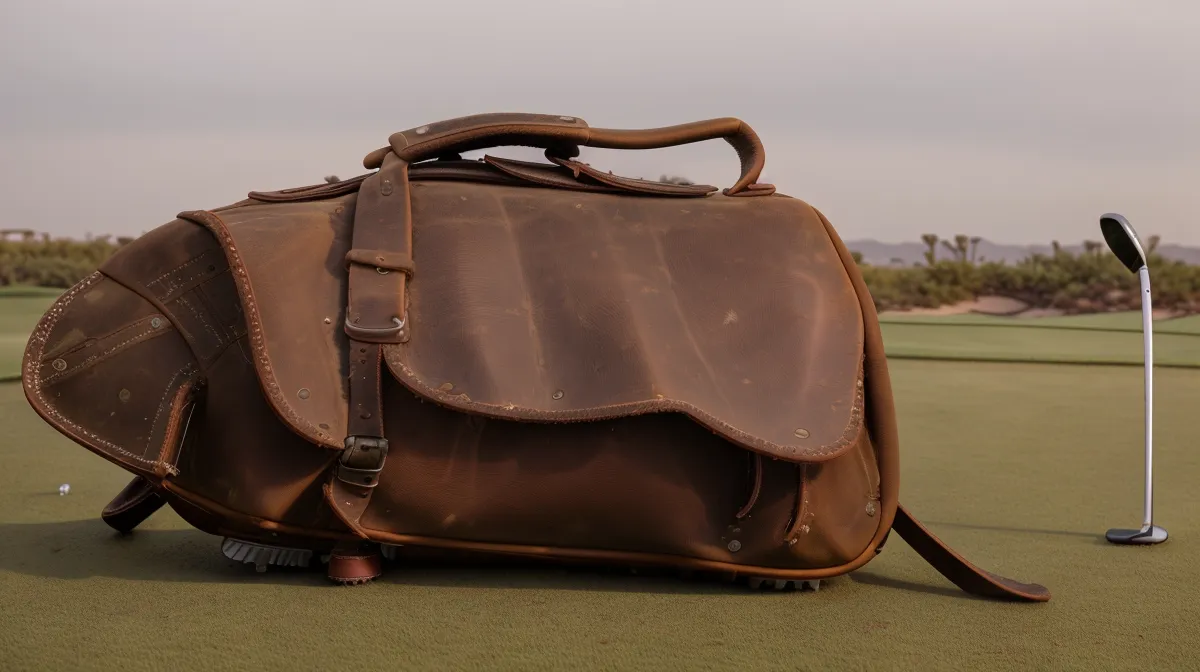
Forty pounds is what my bag weighs loaded for a summer round at Papago Golf Course in Phoenix: clubs, a dozen balls, water, the rangefinder, all of it. I pushed that weight up every hill on that course by hand for longer than I'd like to admit before bolting a motor onto the cart and turning it into an electric push cart that steers itself down the fairway. Short version after fifty rounds with each setup: the motor wins on hills and long walks, the manual cart still wins on tight turns and trunk space, and which one earns a spot in your trunk depends on how often you're actually walking.
Some links below send a small commission my way if you buy gear through them, at no extra cost to you. Nothing here is a press loaner; it's gear I bought and rotated through real rounds and logged in a notebook that's embarrassing at this point. The knee that turned me into a walking golfer in the first place gets its own notes in my writeup on the best golf shoe insoles for walkers managing knee and joint pain.
The manual cart handled flat ground fine. Papago's back nine is a different argument entirely, short punchy climbs where a loaded cart wants to roll backward the second you let go to grab a club. Picking the right manual cart in the first place is its own decision, wheelbase and brake tension mostly, and that's a separate rabbit hole I won't chase here. That complaint about rolling backward is what pushed me toward the Alphard Golf Club Booster V2Pro, a motor-and-bracket kit that clips onto most existing push carts and takes over the steering.
Two Carts, One Bag: The Comparison That Mattered
Installing it took about thirty minutes in my garage on a weeknight, no specialty tools, just swapping the manual wheels for the bracket-mounted motor unit. That garage doubles as a small testing bay these days. A pegboard wall keeps every grip I've tried sorted by diameter, thinnest to jumbo; a cinder-block wall carries a running tally of rounds in black paint marker; a rolling steel cart holds whatever bag, shoes, or gloves are currently under review. Pulling old tape off a shaft still gives off that solvent sting that lingers in there a beat too long no matter how long the door's been open. By the time the afternoon light started glaring straight through the side window, harsh enough to wash out the pegboard labels, the motor was mounted and I was circling the driveway like a kid with a new toy. The motor adds real bulk to the fold, too; getting the cart into the trunk now takes more thought than the old toss-the-wheels-in-back routine ever did, a fold-versus-features trade-off worth weighing across models before anyone commits.
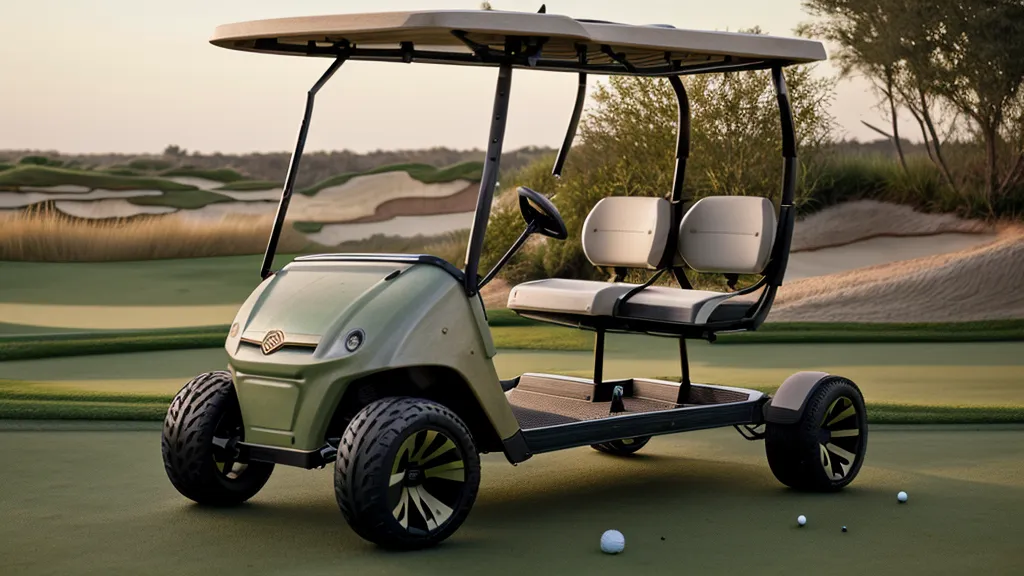
Novelty ran the show for the first few rounds. I circled the driveway more than once just to watch the remote work. That wore off fast once real rounds started, though the build held up fine against a stray Vice Golf ball catching the frame off a mishit; how well a ball's cover survives repeated scrapes down a cart path is its own durability question, separate from the cart itself. My SWAG Golf Putter rode along through all of this, a blade head that punishes an inconsistent stroke more than a mallet would forgive, and its stock grip runs thin enough that my grip pressure creeps up by the back nine on a long walk.
Does the Electric Push Cart Earn Its Keep on Papago's Hills?
Weight distribution is where the motorized setup separates itself. On Papago's steeper cart paths, the V2Pro tracks straight and stays planted where a manual cart wants to lean into the slope and drift toward whatever's downhill; the batteries and a wider wheelbase add ballast a manual cart doesn't have. That stability isn't free. Tight turns around a green or a narrow footbridge take real planning now. You can't whip the V2Pro around a corner the way you'd flick a manual cart with one hand, so you plan the line first or clip a bunker rake.
Front-wheel tracking is the honest weak point. If the bag's weight sits unevenly in the side pockets, water bottles bunched on one side is the usual culprit, the cart pulls instead of tracking straight, and you notice it most on a camber rather than a flat fairway. Balancing the load fixes it, but it's a step a manual cart never demanded.
Where the Manual Cart Still Wins
Compact storage is the manual cart's real advantage. It folds smaller, rides in a trunk without rearranging anything else back there, and never needs a charge before a dawn tee time. Bag weight matters here too: a lighter stand bag makes the whole manual setup easier to muscle around, while a heavier cart bag erases a lot of that advantage once you're pushing instead of carrying. For anyone walking three rounds a week, that weight math is worth running before buying either cart.
What changed in my knee mattered more than any of that. The sharp click I used to feel stepping off a curb at the end of a round is gone, and I credit the extra energy I'm not spending pushing forty pounds up a hill for it. I've written more on that angle in Best Electric Golf Push Carts: Why the Alphard V2Pro Saved My Knees, if joints are the whole reason you're reading this.
On the 14th at Papago one August afternoon, I planted through a swing on a hardpan lie right where the fairway gives way to waste area, and my feet didn't move at all. First time all season my footing felt more solid than my swing did. Spiked soles built for hardpan traction get real credit for that, a different comparison entirely from anything the cart is doing.
Weighing the Investment After Fifty Rounds
Summer is where the electronics get tested honestly. On a triple-digit July afternoon, the dual motors hum low climbing the path toward the back nine, no struggle, but the battery that covers 36 holes easily in cooler months starts tracking a touch slower by the back of a second loop once the heat climbs. Lithium-ion cells just don't love an Arizona summer, and I'd rather know that going in than get surprised on the course. Kenny Prater, a Saturday playing partner who's always swapping in some new low-compression ball to see how it holds up once the temperature climbs, would tell you the same principle applies to balls: match the compression to your swing speed and the conditions, not to whatever the pro shop is pushing that week. I still play Titleist Pro V1s more often than not, partly for how visible the cover stays against desert scrub when a shot drifts offline.
Skip Dabrowski, who plays fast enough to make the rest of the group hustle no matter how the round is going, still beats the cart to the green half the time regardless of the terrain. Hands matter as much as feet on a long walk, and I went through a stretch of cabretta leather gloves a while back that were soaked through before the turn on any July round, useless right when I needed grip on the cart handle most; glove longevity in real heat is a separate test I keep running. The rest of the bag carries its own trade-offs I don't get into here: wedge bounce that either skips or digs depending on how hard the fairway is baked, and irons forgiving enough to survive the mis-strikes a 14-handicap still makes plenty of.
Fifty rounds later, the V2Pro earns a permanent spot on the cart. Dust, heat, and my own clumsiness haven't loosened a bolt yet, and the Alphard Golf Club Booster V2Pro still tracks about as tight as it did out of the box. It isn't cheap; think somewhere near what a new driver and a couple of fairway woods would run you, not a small ask. If you're walking two or three rounds a week on a course with real elevation change, the motor pays for itself in energy you get to spend on your swing instead of your shoulders. If you play once a month and usually ride anyway, save the money and stick with a manual cart; the conversion is more gear than that kind of schedule needs.
I still clip my best magnetic golf towels to the frame and keep logging every round in that same beat-up notebook, just with a lot less pain by the 18th green. Walking golf never stopped being the point; the cart just stopped being the thing working against it.
Alphard Golf Club Booster V2Pro
Pros
- ✔ Saves your knees and back for the back nine
- ✔ 36-hole battery life handles long days easily
- ✔ Quick 30-minute install on most manual carts
- ✔ Solid, truck-like build quality that lasts
Cons
- ✘ Front-wheel tracking can drift if bag weight is uneven
- ✘ Battery performance can dip in extreme desert heat