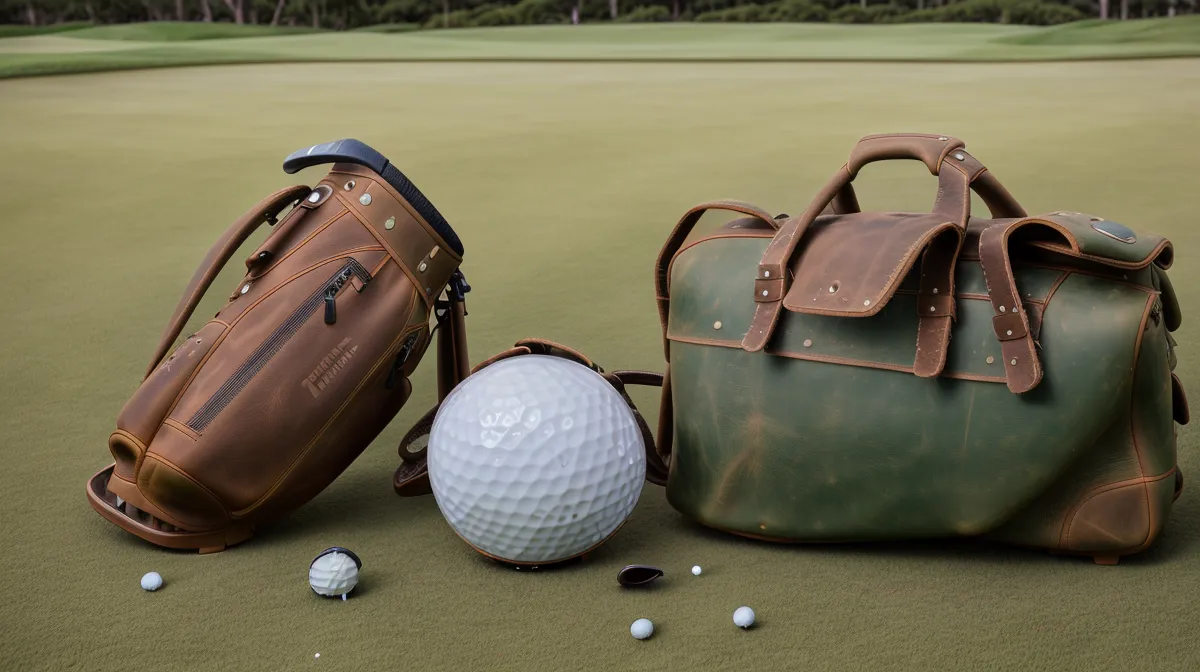
Mesh golf shoes breathe. Waterproof golf shoes keep your socks dry through eighteen holes of soaked ryegrass, and that's the whole argument in one sentence. Every recommendation below comes from gear I bought myself and rotated through real rounds, never a review unit that arrived in a box with a press release attached.
If you tee off before the dew burns off more than a couple mornings a month between October and April, waterproof golf shoes pay for themselves the first time you skip a squelching back nine. If you only play once the sun's already baked the fairways dry, mesh is fine, and you can skip the rest of this equipment testing rabbit hole entirely.
Waterproof vs. Mesh: What Actually Fails First?
Talking Stick Golf Club over-seeds with perennial ryegrass every winter, and that grass holds far more overnight moisture than dormant Bermuda ever does. It sits wet for hours after sunrise, not minutes.
Rye acts like a sponge for the first two hours after sunrise; mesh uppers soak it right up, and once the moisture's past the tongue, the round is effectively over for your feet. My notebook from one November stretch logged three straight rounds with a wet-heel note before I stopped blaming my socks and started blaming the shoes.
Why Scottsdale Mornings Punish Mesh Golf Shoes
Early tee times are where this shows up first. Stepping off the cart path at Talking Stick before eight, I've felt that slow, heavy seep of water through the mesh toes of a summer shoe within the first three holes, and by the turn my socks are heavy enough to notice on every step.
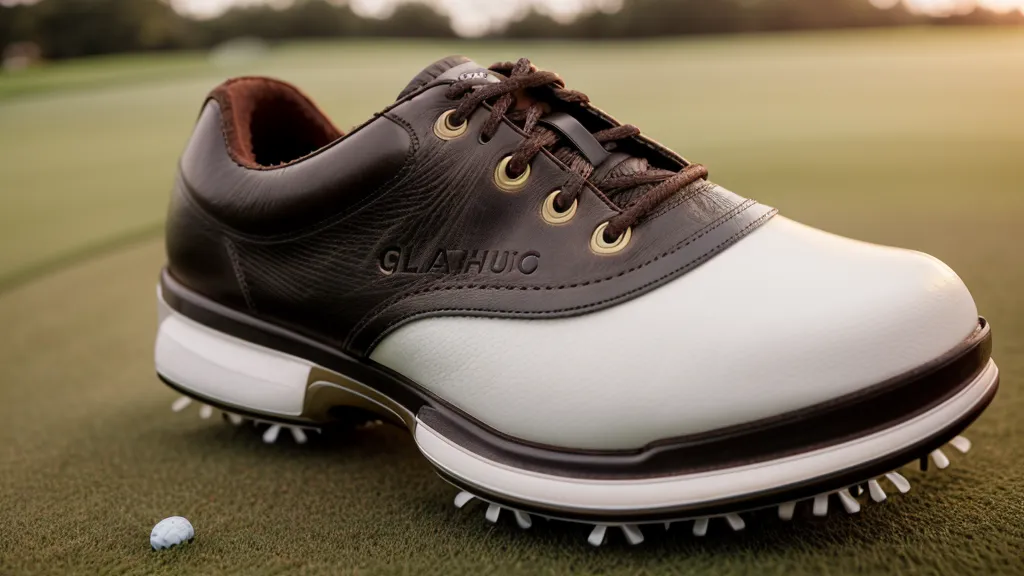
That kind of morning sent me back to FootJoy, specifically the flagship waterproof lines, since the brand still gets more feet on tour than anyone else and doesn't cut corners on the membrane. I rotated between the Premier Series and the Pro slash SLX to see whether a two-year waterproof guarantee actually holds up against six-thirty tee times and the occasional heavy spring downpour.
How I Test Waterproof Gear: 50 Rounds in the FootJoy Flagships
My testing routine is simple: buy the shoes, wear them until they either fail or earn a permanent spot in the rotation, and log every wet-heel morning in the same notebook I use for yardages. After somewhere around a dozen rounds in the Premier Series, the difference in how my feet felt at the turn was obvious; the leather is thick but breaks in fast, and the waterproof barrier reads as built into the construction rather than sprayed on top of it.
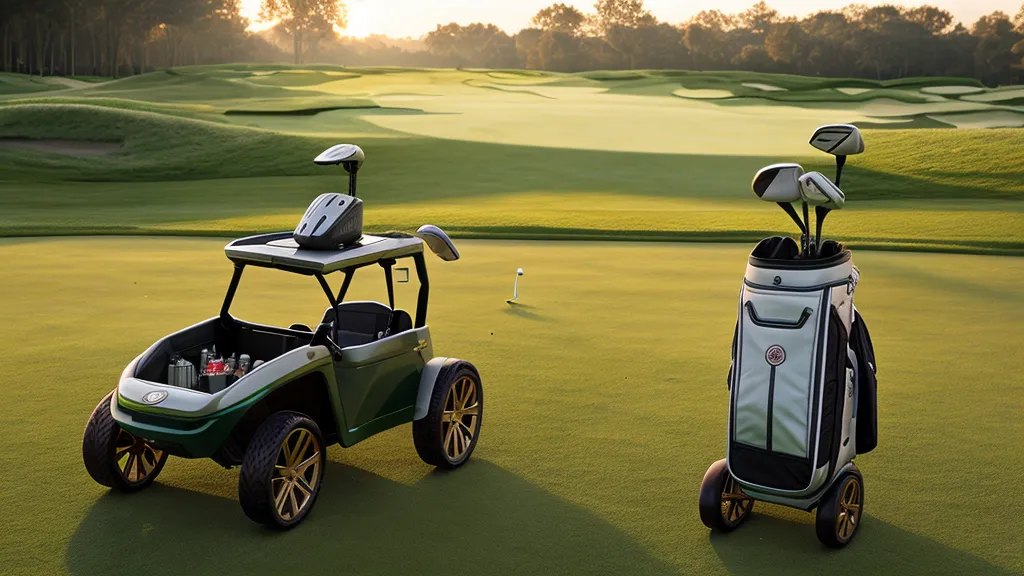
Walking a soggy course is hard enough on the knees without also fighting a cart; that's where the Alphard Golf Club Booster V2Pro earns its keep, turning a manual push cart into something that handles the rolling resistance of wet turf while I focus on footing. Its 36-hole battery covers a full morning-into-afternoon double without a recharge, which matters when the front nine is dew-soaked and the back nine is already baking dry. Stability on the hills is really its own separate question, more about wheel geometry and frame balance than about the motor, and worth a longer look on its own.
Even when the morning dew left mud caked across my Titleist Pro V1 on nearly every green, my feet stayed bone dry underneath. The USGA rules of golf allow you to lift and clean a ball on the putting green, and during a wet February stretch I was doing that on nearly every hole.
Is the Breathability Trade-Off Worth It?
Waterproof membranes buy you dry feet at the cost of some breathability, plain and simple; it's the same trade as a heavy work boot against a running shoe. In a cold November round, that extra insulation is a gift. By late April, with the desert sun already biting by nine, I noticed my feet running warmer in the FootJoys than they would in a mesh shoe, and that's the one honest downside worth naming.
Readers dealing with actual foot pain, not just warmth, should look past this piece and read my notes on the Best Golf Shoes for Walkers with High Arches, since arch support matters more there than waterproofing does. For the dew hunter, though, the trade holds; warm feet in the afternoon beat soaked feet at sunrise every time, and the two-year waterproofing warranty has yet to get tested here because nothing's leaked.
Traction on Soaked Turf: Do These Shoes Hold?
Waterproofing only solves half the problem; you still have to stay upright on rye that's slicker than it looks, especially on the side-hill lies scattered across the back nine at Talking Stick. Spiked shoes generally win on hardpan, where cleats need to bite into ground baked nearly to concrete, and that's a completely different problem from what dew-soaked Bermuda asks of a shoe. Wet grass needs a tread that clears water fast, a design goal that can actually work against you on the dry, hard desert lies covered in my notes on the Best Spiked Golf Shoes for Traction on Hard Desert Terrain.
During a heavy spring downpour, I ended up standing in real standing water on one fairway while my playing partners bailed for the carts. Current handicap's sitting at 12.4, and I wasn't about to give up on a decent round just because my shoes might slip. They didn't; no moisture creep, no sliding through a full swing, and that kind of reliability is worth more than most spec sheets admit.
What Happens to Your Hands and Grips When Mornings Get Wet
Hands are the next thing that fail once the shoes stop being the problem. Gloves that feel fine at noon turn into wet paper by the fourth hole of a dew round, and I've written up what actually held together in my piece on the Best Golf Gloves for Sweaty Hands in Desert Heat Conditions; longevity in the heat and grip in the wet turn out to be two different tests entirely.
Grips take the other hit, and this is where I've actually been burned. A no-name oversized putter grip felt tacky and sure in the shop, then turned slick the moment my palms started sweating and slipped clean through my hands on a downstroke I still think about. Grip pressure is a separate rabbit hole entirely, one I'll leave for another piece. A buddy of mine, more focused on his USTA league tennis matches at Chaparral Park than on my putter drama, asked why I still bring up that missed stroke months later; the answer is standing over a twenty-two-foot lag on the ninth green at Talking Stick with a grip that actually held, forearms loose instead of locked up from over-squeezing, and catching a faint rattle from a loose chip somewhere inside the putter head, a tiny tick I only ever notice at address.
Balls, Putters, and the Rest of the Wet-Weather Kit
Vice Golf Pro Plus balls are what I keep restocking for wet rounds, since a ball headed for a muddy transition area doesn't sting as much as a premium sleeve would, and cover durability off cart paths is a separate desert-scrape question I've dug into elsewhere. Matching ball compression to your actual swing speed is another rabbit hole worth its own read rather than a footnote here. Vice Golf covers the value end of that question well enough for most weekend rounds.
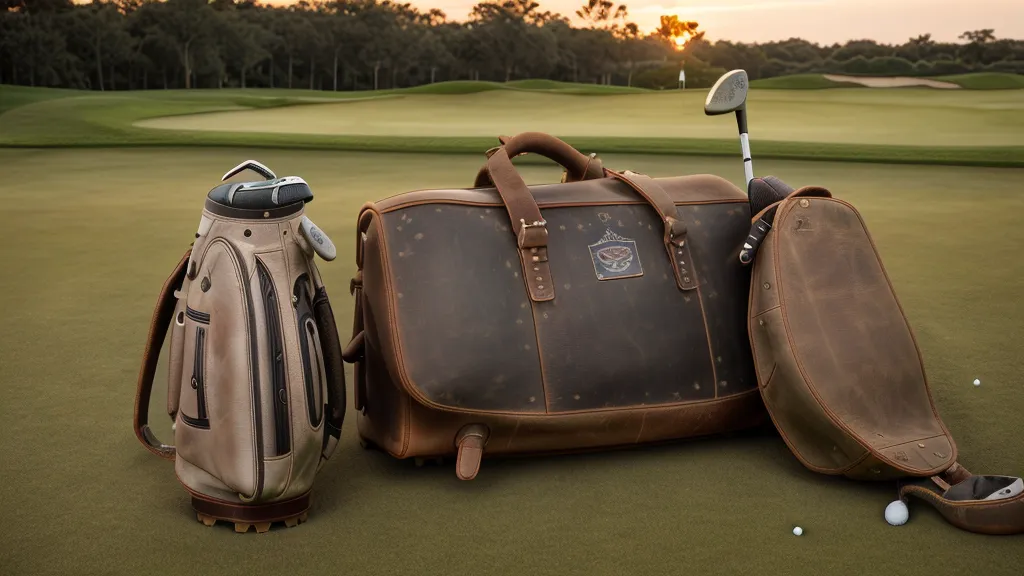
The putter itself is a precision-milled SWAG Golf Putter, made from 303 stainless steel that shrugs off the kind of corrosion worry that comes with constant morning moisture. Whether a mallet head forgives a shaky stroke better than a blade is its own argument for another piece, and the weather doesn't settle it either way. None of this matters much if your bag is dragging your shoulders down on a walking round, which is a weight question entirely separate from anything waterproof and worth sorting out before you obsess over grips or gloves. Iron forgiveness on mishits is yet another topic on its own, one that has nothing to do with wet mornings and everything to do with how far off center you can miss and still find the green.
The Verdict After a Full Rainy Season
By the time the calendar turned to May, I'd logged more than 50 rounds in the FootJoy waterproof lines, and the leather has actually developed a nice patina instead of cracking, the way a good leather wallet ages instead of falling apart. They've survived over-seed irrigation cycles and one genuinely unexpected spring downpour without a single wet sock to report.
If you're the golfer who waits for a calm eighty-degree afternoon before teeing off, mesh will serve you fine and none of this applies to you. But if you're chasing six a.m. tee times through a Scottsdale winter, or you've already got a wet-heel note somewhere in your own notebook, the structured waterproof build is worth the extra warmth it costs you in April. Check the current FootJoy lineup, and if you're rebuilding the rest of the wet-weather kit at the same time, the Alphard cart and the Vice Golf balls linked above are the two pieces that have earned a permanent spot in my bag.