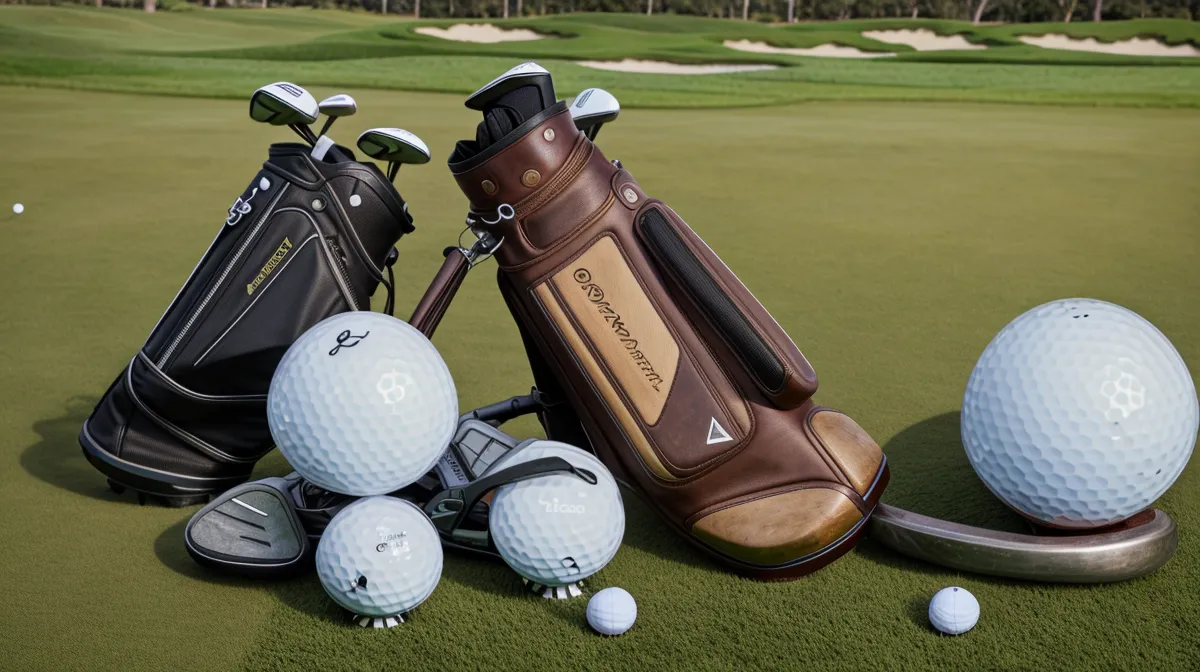
Seventy-four degrees and dead calm early morning on the tenth tee at Coronado. My regular playing partner, a retired commercial architect in his early seventies, took his smooth backswing and watched his drive die twenty yards short of the fairway bunker. He was still playing rock-hard, high-compression tour balls out of sheer stubborn habit.
Before getting into my notebook pages, a quick note on how this works: some links on this page send commerce my way. When a reader buys golf gear through one, I earn a commission at no extra cost to you. The picks here come from gear actually rotated through over real rounds on Valley public tracks, never from press kits or loaners. If you want the current retail price on any of these, check the vendor pages directly since pricing shifts without warning.
The Quiet Energy Drain of Walking Eighteen Holes
Most golf advice treats swing speed like a fixed number on a launch monitor. In reality, swing speed is a moving target. If you walk the course, your body operates much like an old daily-driver pickup hauling drywall up a mountain pass; the engine simply produces less torque near the end of the trip than it did pulling out of the driveway.
By hole thirteen on our Phoenix courses, the legs lose some spring. A swing that starts the morning at eighty-eight miles per hour often slips down toward eighty-two by the time you reach the seventeenth tee box. When you hand that tired swing a ball built for hundred-mile-an-hour tour players, the ball refuses to compress. You strike it flush, yet it falls out of the air like a dropped wrench.
Low swing speed seniors and walkers do not need more muscle; they need equipment that honors the energy they actually produce. A golf ball conforming to the United States Golf Association equipment rules must weigh no more than 1.620 ounces and measure at least 1.680 inches in diameter. Within those rigid boundaries, manufacturers manipulate core densities to create wildly different behaviors. Playing the wrong compression feels like running a marathon in stiff steel-toed work boots when your feet are begging for broken-in sneakers.
Notebook Field Work: Summer Grinds Across the Phoenix Valley
Between late May and mid-July, I decided to test low-compression options against standard firm tour balls systematically. I logged every round across three local courses: Coronado, Papago, and Silverado. My current index sits right at an honest 11.4, and my driver speed settles around eighty-four miles per hour on warm mornings when my reconstructed knee behaves.
To keep my legs fresh enough to record fair data without riding a cart, I mounted my bag to my cart equipped with the Alphard Golf Club Booster V2Pro. Turning a manual cart into an electric caddy meant I could walk five miles in the heat without dragging fifty pounds of dead weight up every slope. My footwear remained the spikeless FootJoy shoes I have trusted for two seasons, which protect my joints on hard-baked Arizona turf.
My notebook tracked three key numbers: tee ball carry distance, rollout on firm baked fairways, and stopping distance on dried-out greens. In late May, testing started with standard distance options compared against softer alternatives. If you want deeper notes on pure distance models, check out my field breakdown of the best Titleist distance golf balls for players with slower swings.
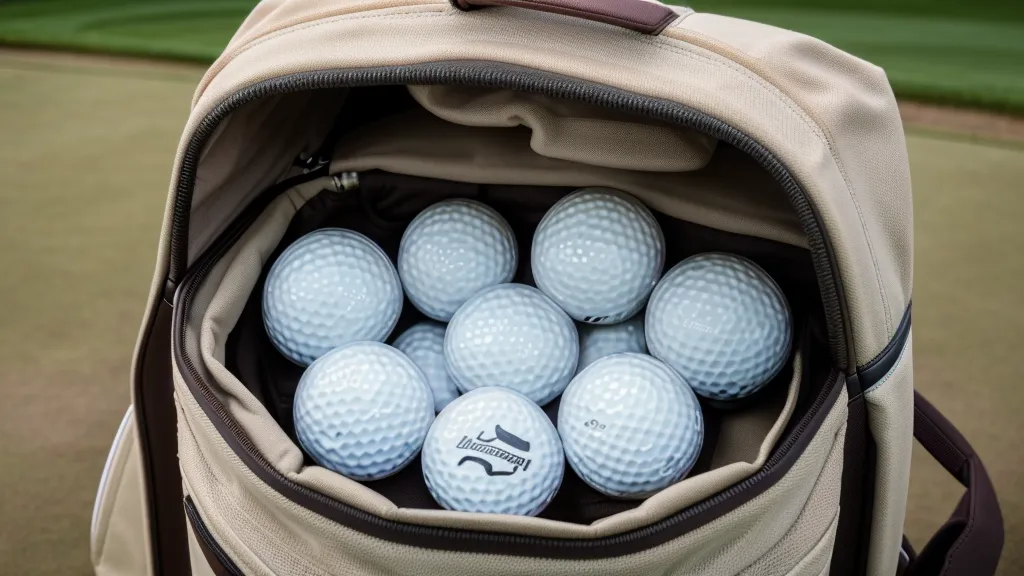
Direct comparisons showed immediate trends. A softer ball flattened properly against the clubface at modest swing speeds. That impact generated higher initial launch angles and lower driver spin, giving tired legs an extra twelve to fifteen yards of airborne carry. But carry distance is only half the story on a scorecard.
The Wind Penalty: What Nobody Tells You About Soft Golf Balls
By early September, temperatures dipped slightly, and the afternoon breezes picked up across the valley. That brings me to the defining trade-off of this entire category, one that glossy equipment catalogs never mention.
Soft-compression balls increase carry distance for low swing speeds but sacrifice wind stability compared to firmer, high-compression alternatives. There is no free lunch in physics.
One breezy Saturday morning in October, the wind whipped across the par-four eighth hole at Papago at roughly twenty miles per hour. My playing partner hit a low-compression ball on a high, easy launch trajectory. The moment that soft core met the headwind, the ball ballooned, caught the gust, and stalled mid-air, falling forty yards short of his target line. Firmer urethane tour balls, while punishing to slower clubheads on flat ground, cut through crosswinds with tighter rotational stability.
The lesson from that windy morning was clear: if you swing under eighty-five miles per hour, low-compression construction is your best friend on eighty percent of your rounds; however, you must adjust your flight plan when the gusts howl. You can read more about managing heat and density in my guide on low compression golf balls in triple digit summer heat.
Comparing the Contenders: Feel, Rollout, and Greenside Control
Throughout mid-summer and into mid-autumn, four specific setups dominated my bag rotation. Each delivered distinct trade-offs between tee distance, cover durability, and feel on the putter face.
The clear standout for all-around performance across fifty rounds was the softer lineup from Titleist, specifically their low-compression models engineered for moderate speeds. They gave my senior playing partners reliable launch off the tee while preserving actual greenside check. Many cheap two-piece distance rocks bounce straight over the green into the desert; the Titleist soft-core constructions checked up within six feet of the pitch mark, even on baked greens.
For golfers who lose multiple sleeves per month in the scrub, direct-to-consumer alternatives like Vice Golf offer compelling value. Their Pro Soft line provided comparable greenside feel to top-tier offerings, though the outer cover showed cart-path scuffs noticeably faster during testing.
Feel around the cup also matters immensely when putting on slick valley surfaces. Pairing a responsive low-compression cover with a precision-milled flatstick like the SWAG Golf Putter gave crisp feedback on fifteen-footers. Sinking the ball into that standard 4.25-inch cup requires confidence in the ball rolling true without feeling like a dead marshmallow off the steel face.
To round out your walking comfort, remember that ground traction dictates your swing base late in the round. You can read my thoughts on foot fatigue in my field notes on spikeless golf shoes for walking thirty-six holes.
Final Scorecard Reflection
Switching an aging swing to a softer golf ball is not an admission of defeat; it is basic common sense. Watching my regular partner struggle on hole ten because he thought tour balls made him a better player was painful. The week he switched to softer, moderate-speed golf balls, his drives gained back the lost twenty yards, and his pitching approach became predictable again.
Take care of your legs with the right walking gear, lace up supportive shoes, and feed your clubs a ball that yields to your speed instead of resisting it. Check your local pro shop or fitter for swing speed verification, review the vendor pages for the latest product specs and prices, and give your swing the break it deserves.
| Product | Rating | |
|---|---|---|
| Titleist Top Pick | 9.1 | Read More → |
| Alphard Golf Club Booster V2Pro | 8.9 | Read More → |
| SWAG Golf Putter | 8.7 | Read More → |
| FootJoy | 8.6 | Read More → |
| Vice Golf | 8.4 | Read More → |
Titleist
Pros
- ✔ Effortless high launch for swings under eighty-five mph
- ✔ Remarkable greenside stopping power compared to rock-hard distance balls
- ✔ Consistent flight and cover durability across multiple desert rounds
- ✔ Full ecosystem of matching bags, gloves, and ball fittings
Cons
- ✘ Noticeable ballooning into heavy crosswinds compared to firm tour models
- ✘ Premium brand pricing with minimal sales outside seasonal loyalty promos