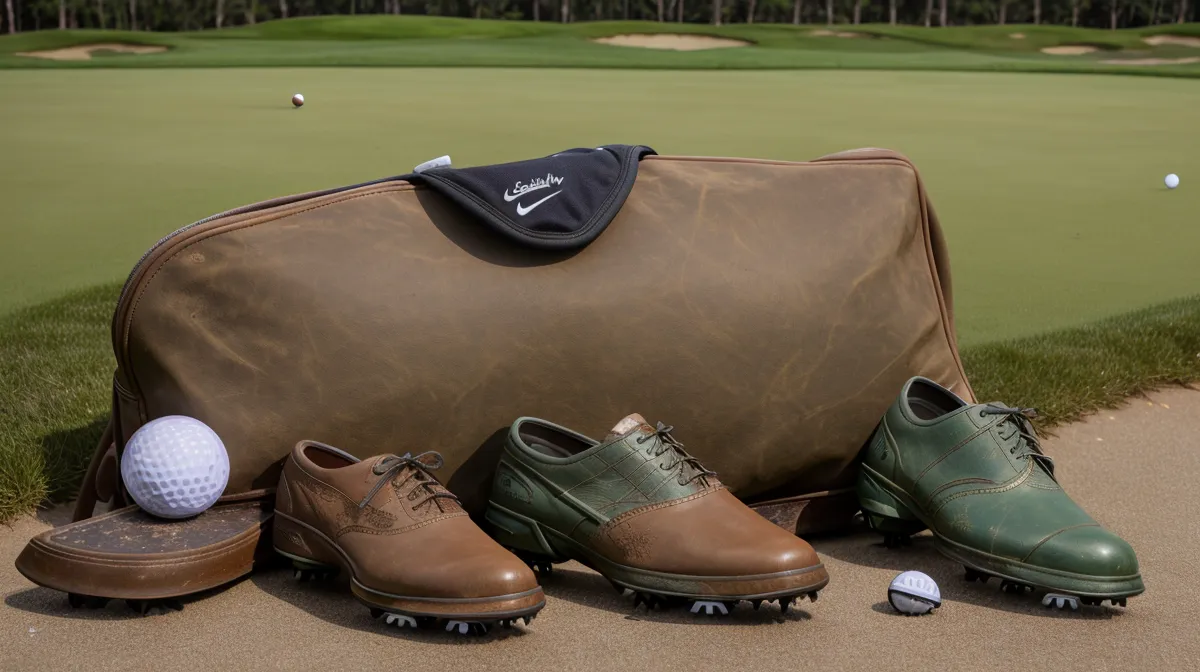
Kierland's back nine doglegs hard downhill on eleven, and by the time I'm off that green my left knee is already talking to me in a language I don't like. That ache used to shut down my walking rounds early, and for years I blamed the knee itself instead of what was sitting under my foot. Golf shoe insoles are the cheapest shoe modification a walking golfer managing knee pain can make, and most guys never touch the factory pad until it's compressed into a thin, dead layer of foam.
Why Factory Insoles Give Out Long Before the Shoe Does
Factory insoles are built to a price point, not a mileage target. Under the ball of the foot and the heel, that stock EVA foam packs down faster than most golfers expect. I peeled the insert out of an old pair sitting on the cart in my garage and could see the compression lines where my weight lands hole after hole. Once that foam goes flat, the foot starts hunting for stability on every uneven lie, and for a knee with any history of trouble, that hunting shows up as lateral strain instead of a clean, straight load.
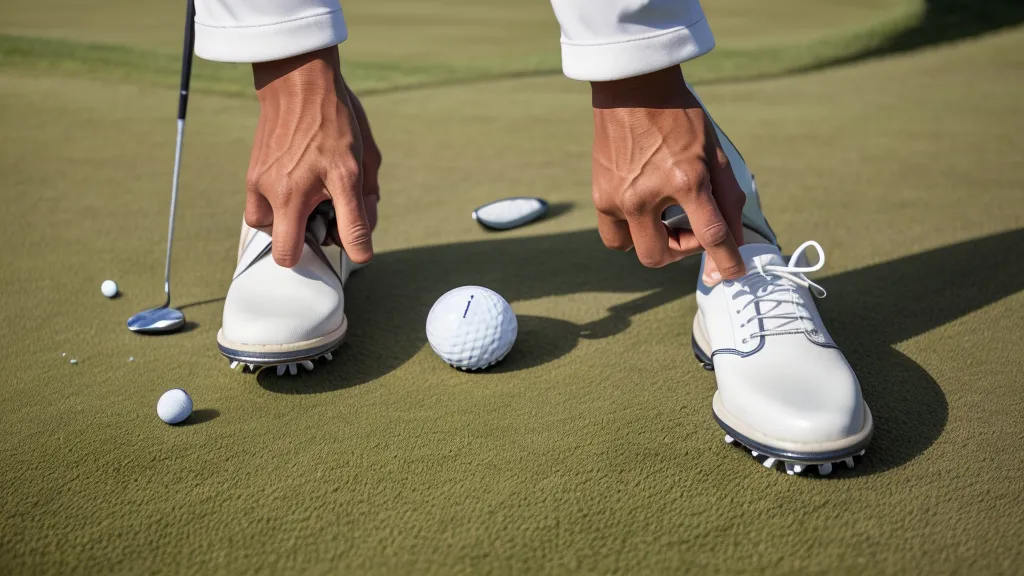
Compare it to a work boot with a busted sole; the leather still looks fine from across the room, but your feet know the support is gone long before the outside wears through. That's the trap with golf shoes specifically, because the upper holds up so well that guys keep playing on a dead footbed for two or three more seasons than they should. Checking the insole itself, not just the tread, is the first habit worth building if your knees complain on the back nine.
Is Soft Really Better for a Walking Golfer's Knee Pain?
There's a popular idea that cushiest equals best, the same instinct that sells memory-foam mattresses. I tested that assumption by rotating gel and foam inserts through hole after hole, swapping between rounds to feel the difference immediately instead of guessing from memory. Softer wasn't better. A pillowy insert let my foot sink and roll on side-hill lies, and the foot loses some of the proprioception it uses to read a slope, so the knee ends up compensating instead.

On a downhill lie the softer insoles let my ankle roll before I even noticed it happening, and that small drift traveled straight up into my knee. A firmer, more structured insole holds the foot in one position, so the joint above it isn't correcting for movement that shouldn't be there in the first place. Think of it less like a mattress and more like a level foundation under a house; you don't want give, you want the same footing on every step.
Matching Arch Height to Your Actual Foot
Insoles typically fall into three arch categories: low, neutral, and high, and most golfers are wearing whichever one the store had in stock rather than the one that matches their foot. Too low and the arch collapses inward with every step, pulling the knee along with it. Too high and you're balancing on a narrow ridge that fights your foot on flat, firm turf. Stand in your golf shoes without a ball in play and roll your weight slowly from the outside edge to the inside edge; where your arch wants to settle naturally is close to the height you should be buying.
Firmness matters as much as height. A dense, structured insole resists compressing under your full weight at the top of the backswing, which keeps the arch doing its job on hole seventeen the same way it did on hole one. A soft one collapses under that same load, and you're back to hunting for stability by the back nine.
Everything Else That Loads a Walking Golfer's Knees
Insoles fix one variable, not all of them. A push cart that drifts on a downhill forces your legs to fight it instead of your arms; I found that out the hard way with a wobbly aluminum push cart that nearly tipped on a steep downhill at Kierland before I swapped it for something sturdier. A stand bag with too much weight does something similar, adding load to a walking round that your knees absorb over eighteen holes whether you notice it or not. Shoes matter too; a sole that skates on hardpan makes your foot brace and twist to catch itself, which sends the same lateral strain up into the knee that a bad insole does.
Heat adds its own tax to all of this. I switched to my best moisture wicking shirts partly to survive the back nine in the Arizona sun, and running an electric push cart setup saves my back on longer walks, but neither one fixes fatigue that starts in your feet.
A reader named Alma emails me every so often with questions built around exactly this kind of heat-and-joint math, and she asked once whether the insole or the shoe itself matters more for someone managing knee pain on hot rounds. The insole comes first, because it's the layer actually shaping how your foot loads with every step; the shoe just decides how much heat and grip you're dealing with on top of that.
Hank Viteri, my regular Wednesday game, plays like a mid-teens handicap right up until the pressure's on, and even he noticed his knees felt steadier after I talked him into trying a rigid insole instead of the gel ones he'd always used. After a 36-hole Saturday not long after, the only surprise waiting for me back at the car was what wasn't there: no blister, no raw spot on either heel, first time that's happened after two full loops in a single day.
New Insoles or New Shoes?
If the upper of the shoe still grips and the outsole still has tread, a rigid replacement insole is almost always the right first move before buying new shoes entirely; it's a small swap that can extend a perfectly good pair for another season or two. Replace the shoes instead when the outsole is smooth in the wear zones or the upper has broken down at the flex points, because no insole fixes a shoe that's lost its own structure. Expect the first few holes in a firmer insole to feel unfamiliar, almost like there's a ridge under your arch that wasn't there before; that sensation fades well before the turn, and it isn't a sign you bought the wrong one.
I play to a 12 most seasons, and the rounds I lose strokes on now get decided by three-putts and pulled irons, not a knee that gives out walking off the back nine. Start with the insole before you start shopping for new shoes, match the arch height to your actual foot instead of whatever's on the shelf, and pick firmness over cushion every time your knee is part of the decision.