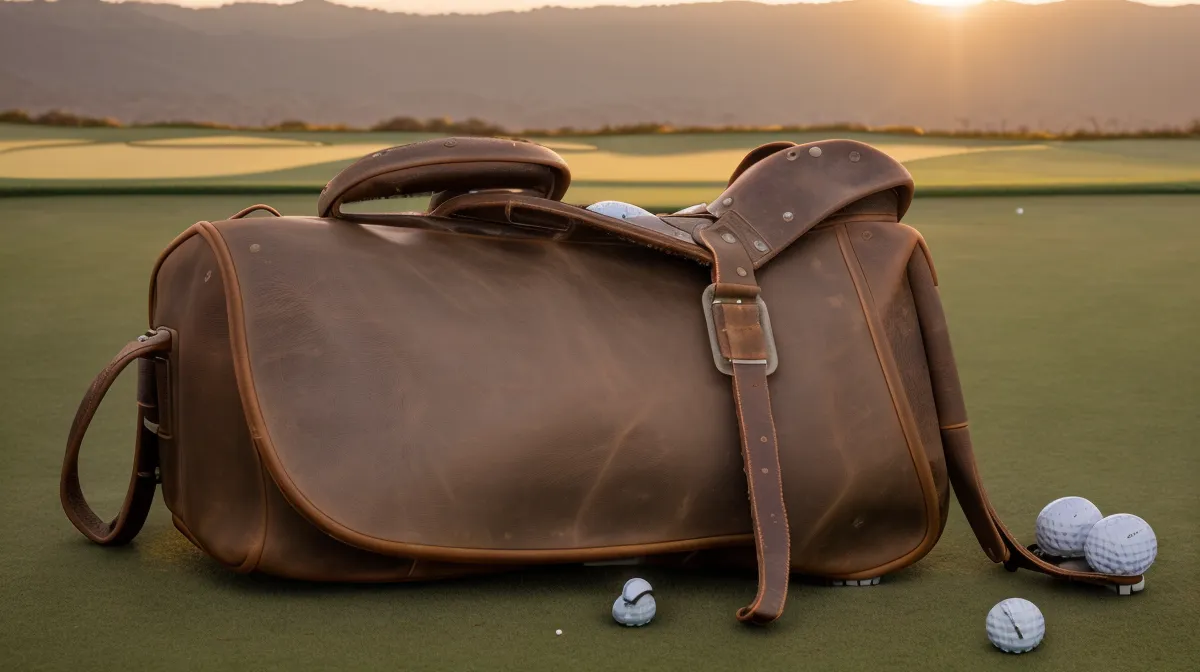
Left pocket, a sleeve of Vice Pro. Right pocket, a sleeve of Pro V1. I've been swapping one for the other hole to hole across Wigwam Golf Club in Litchfield Park, trying to settle an argument I have with myself every time I restock the garage shelf: is the tour-standard ball actually worth twice what the direct-to-consumer challenger costs for a 14-handicap amateur who traded his running days for a set of clubs. Some of the links on this page send commerce my way; buy gear through one and I earn a commission at no extra cost to you, and nothing in this comparison came from a press kit or a sponsored loaner. Every ball here got bought with my own card and beaten up across real public rounds, which is the only kind of golf ball review that means anything to another amateur.
I'm not a teaching pro or a fitter, just a commercial broker who traded running shoes for a pair of FootJoy after the knee injury and leaned on the Alphard Club Booster V2Pro to turn my push cart into something closer to a caddy on Wigwam's hillier stretches. Six years into this golf obsession, I still keep a notebook of every ball brand, every grip change, and every scorecard, because none of the reviews I watched in year one matched what actually happened to gear by round thirty.
The First Difference You Notice Holding Both Balls
Hold a golf ball in each hand and the difference shows up before you ever make a swing. Both balls clear the same USGA limits on weight and size, so that part is a wash. The Pro V1 cover has that tacky, almost worn-leather-wallet grab to it right out of the sleeve. The Vice Pro feels cooler and more clinical by comparison; smooth rather than tacky, though nobody would call it cheap. If your swing speed sits closer to the moderate end of the amateur range, the guide on choosing Vice balls for your real course performance is worth a look before you order a dozen.
Iron Launch and Greenside Spin, Hole to Hole
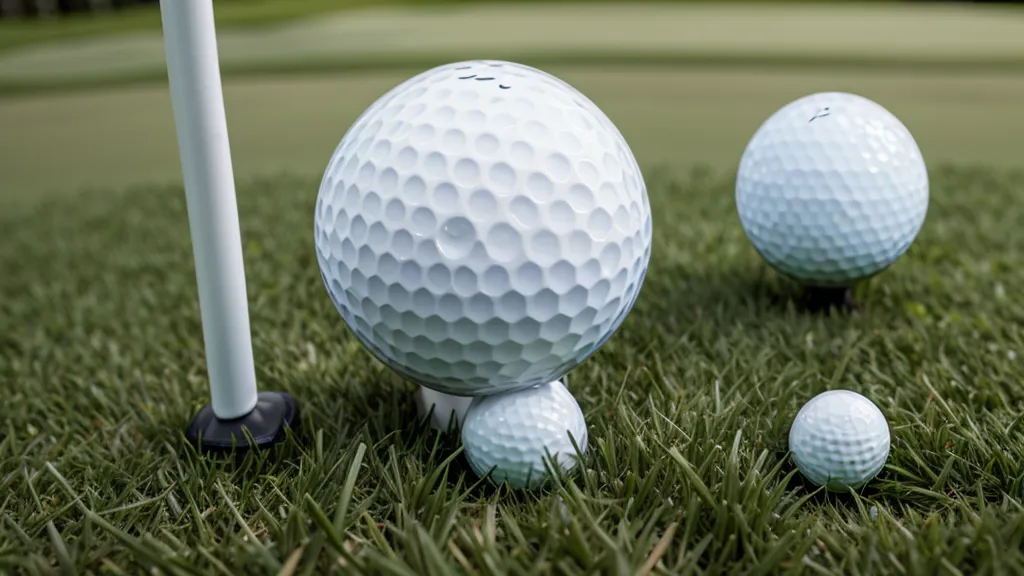
Off the irons, the Vice Pro launches a touch higher than the Pro V1 in my hands, and for a guy who has trouble holding firm desert greens, that extra height is welcome more often than not. Around the greens the two balls check up almost identically on a well-struck wedge; the spin gap is smaller than the marketing pages want you to believe. Launch and forgiveness off the irons vary more by loft and condition of the clubface than by ball anyway, so don't expect either one to fix a mis-hit.
Putting Feedback: The Comparison Amateurs Actually Feel
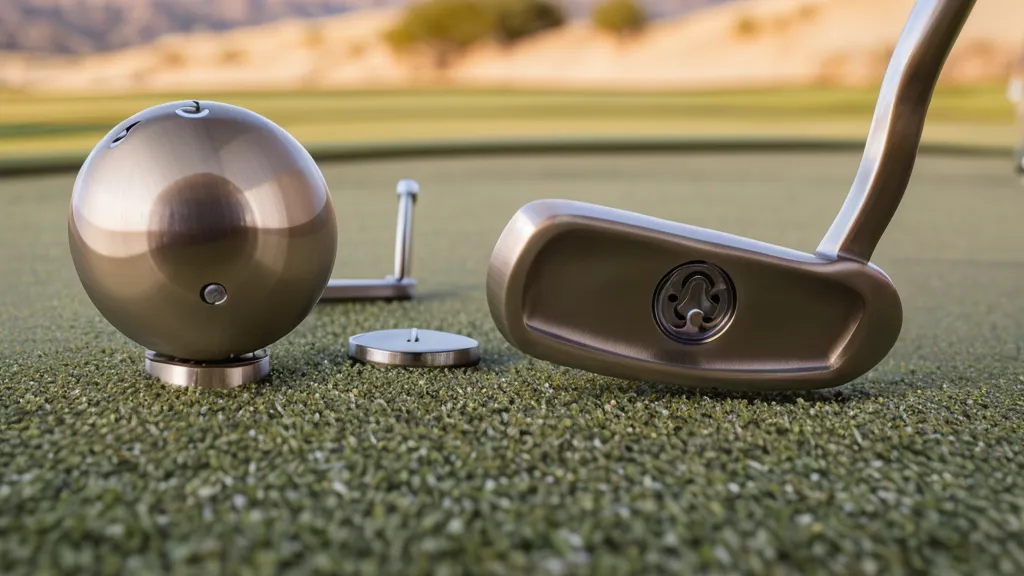
Putt them both with a SWAG Golf Putter milled from stainless steel and the sound tells you everything. The Pro V1 comes off the face with a muted thud that reads as soft. The Vice Pro is clickier, closer to a work boot landing on a hardwood floor than anything soft. Neither sound is wrong, but if you read distance off sound the way I do, the adjustment period is real. I went through a stretch chasing that same sensitivity with a no-name oversized putter grip that felt tacky and secure in the pro shop; two sweaty rounds later it was sliding half an inch on the downstroke, and I pulled it back off before it cost me a run of three-putts. Grip pressure and diameter matter more for putting feel than either ball ever will, but that's a separate rabbit hole from the one this article is chasing.
Scuffed Covers and How They Perform
A stray shot last month found a cluster of desert scrub, and after some digging around I found the Vice Pro with a visible scuff from a rock. Rather than toss it, I played it out. Three holes later that same scuffed ball flew a mid-iron to inside ten feet, performing no differently than the pristine Pro V1 I'd used the hole before. It challenged the idea that a ball needs to look perfect to perform for a mid-handicap swing; desert cover wear is its own topic, and a scuff rarely costs you the stroke you think it does.
What actually separates the two models day to day is availability and cost, not performance. Walk into almost any pro shop and you can restock Titleist balls the moment you run out, and a stray one found in the rough still feels like found money. Vice sells direct, so you buy in bulk to get the per-dozen price down into a range that makes sense, and if you lose two sleeves a round the way I still do some Saturdays, that bulk math adds up over a season fast.
Chasing Cover Durability Through a Desert Summer
Desert heat is hard on any cover. Between abrasive cart paths and soil that stains anything white, fifty rounds of rotating both balls shows the Pro V1 staying cleaner longer; the Vice Pro picks up more soil staining and scuffs a little easier off cart-path bounces. It's a minor point, the kind of wear you'd expect from a pair of work boots breaking in, but a perfectionist will notice. Matching the ball to your own swing speed through a moderate-swing-speed ball breakdown matters more for how a thin shot feels off the face than the brand printed on the side.
Heat shows up in your hands before it shows up on the ball. Pull the glove off after eighteen holes on a triple-digit August afternoon at Wigwam and the palm underneath is still dry, which tells you more about how a glove holds up in heat than about either ball's cover. A buddy of mine who grinds through USTA league tennis matches over at Chaparral Park says the same thing happens to his racquet grips; the tackiness goes before the function does. For knee comfort through a four-hour walk, I lean on insoles built for walkers managing knee and joint pain more than I lean on ball choice.
My Answer for the Weekend Warrior's Bag
My answer stays boring on purpose. Play once a week, want the peace of mind that comes from gaming the most-played ball on tour, and don't mind paying full retail? The Pro V1 is close to a flawless piece of engineering and worth the premium. Play three rounds a week the way I do, and lose two sleeves some Saturdays the way I still do? The Vice Pro holds up in every category that actually moves your score, and buying in bulk turns your ball budget into something closer to a rounding error.
Both balls stay in my bag today, but the ball I actually reach for on a casual Wednesday round is the Vice Pro, bought in bulk, because it lets me play the aggressive line over a hazard without wincing at the cost. Check the pricing and current deals in the comparison chart below before you commit a full season's ball budget to either one.
| Product | Rating | |
|---|---|---|
| Vice Golf Best Value | 8.9 | Read More → |
| Titleist | 9.4 | Read More → |
| Alphard Golf Club Booster V2Pro | 9.2 | Read More → |
| SWAG Golf Putter | 9.0 | Read More → |
| FootJoy | 8.7 | Read More → |
Vice Golf
Pros
- ✔ Massive savings when buying in bulk directly
- ✔ Higher iron launch helps hold firm greens
- ✔ Customization and color options included
Cons
- ✘ Requires shipping wait with no retail presence
- ✘ Cover scuffs slightly easier than the market leader