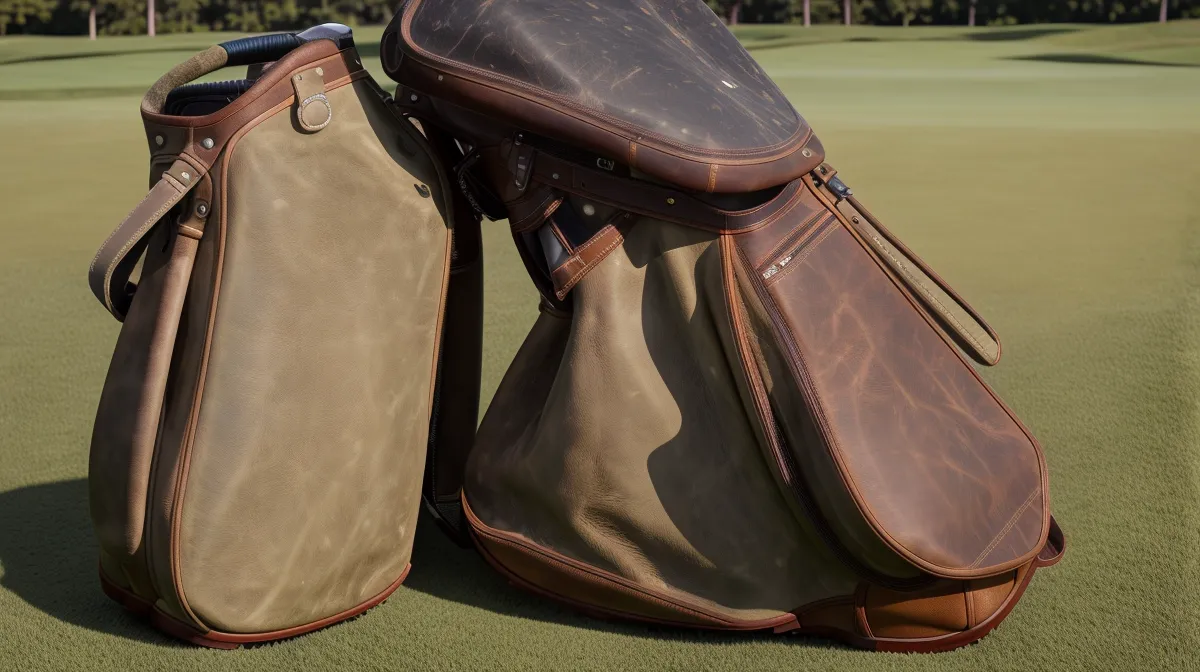
A toe strike on a 165-yard 7-iron at Las Sendas Golf Club still finished pin high instead of leaking into the wash left of the green. That single swing is the whole argument for forgiveness in an iron set, and it's the reason I keep coming back to pull apart Titleist's T-Series lineup instead of just telling you the T200 feels good and calling it a review.
That kind of forgiveness matters more to a mid-handicap amateur than any spec sheet built for tour swing speeds. I'm a commercial real estate broker based in Scottsdale, Arizona; a knee injury in 2020 changed how I load into the ball, and it left me with zero patience for gear that only rewards a perfect strike. Carrying a 14 handicap and playing three rounds a week, forgiveness isn't about extra distance for me. It's about turning a lazy back-nine miss into a two-putt par instead of a chip out of the desert.
Where T-Series Forgiveness Actually Shows Up
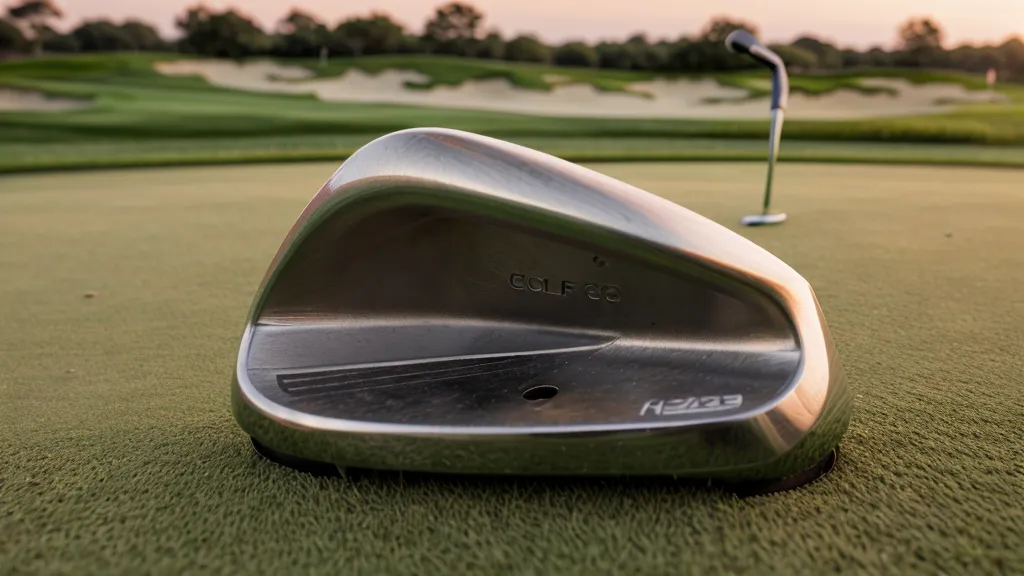
Forgiveness gets thrown around like a marketing word, and half the time it just means a manufacturer added tungsten somewhere and called it a day. The T150 carries tungsten weighting low in the head and looks like a proper player's iron; the 7-iron sits at a 32-degree loft, closer to traditional than anything else in the T-Series. Strike it flush and it feels better than either of the other two irons in this comparison. Catch it off-center and the compact face punishes you more than a dedicated cavity-back ever would; miss the middle more than one swing in five and the T150 will let you know about it in your hands. Guys transitioning away from blades entirely are working through a different decision tree than this one.
T150 Versus T200: Two Different Bets on a Miss
The T200 is a different bet entirely. Titleist built what it calls Max Impact Technology into the core behind the face, aimed at keeping ball speed up on a miss rather than rewarding only a flush strike. A thin hit off the T200 at Las Sendas still sounds ugly through the hands; it doesn't sound like a strike that should hold its line, and it holds its line anyway. Part of that comes down to how close the face sits to the Coefficient of restitution limit that governs how hot a modern iron face is allowed to be; I won't pretend to know the engineering past that, only that a mis-hit off this face carries further than it has any right to.
The Cost of a Toe Strike
Numbers settle the argument better than feel does. On toe strikes, the T200's 7-iron, at a standard 30.5-degree loft, gives up something like six yards of carry. The T150 gives up closer to twelve. On a 170-yard approach over a wash, six yards is the difference between a putt for birdie and a ball buried short of the green, and that gap matters more for someone who isn't finding the center on every swing. The T200 plays more like a daily-driver pickup than a showroom car: not the prettiest thing sitting in the lot, but it earns its keep when a round turns ugly. None of that replaces good footwork through the strike, either, and best golf shoe insoles for walkers managing knee and joint pain do more for a consistent hit late in a round than people give them credit for.
A pair of spikeless shoes bought off a big-box shelf lost grip completely the first time I hit a hardpan waste area at Las Sendas; my back foot slid out from under me mid-swing and the shot went sideways into the desert. That was the end of spikeless for anything but a cart-path stroll. Traction on hard, dry ground turned out to matter as much as anything in the bag, and it's not something a forgiving iron can fix for you.
The T350 and the Long Iron Problem
Long irons are where forgiveness earns its money more than anywhere else in the bag. The T350 heads that replaced my 4-iron and 5-iron are larger through the sole and built to glide through tight, dry turf rather than dig into it. Catch one toward the heel and the ball doesn't slice sideways into the next fairway; it stays inside the corridor. Titleist runs a variable bounce sole through the whole T-Series, and the same bounce-and-turf relationship that decides whether a wedge skips or sticks in a tight lie is at work here, just on a bigger club. On a hardpan course like Las Sendas, that sole is the difference between a fat strike that still finds the front fringe and one that sticks the leading edge straight into the dirt.
When a Blended Bag Makes Sense
I stopped trying to be a purist somewhere around the point my scorecard stopped caring how good the clubs looked in the bag. The current set blends T150 from 8-iron through pitching wedge, T200 in the 6 and 7, and a T350 5-iron: feel and precision where I can actually deliver them, a bigger margin where I can't. Getting there meant admitting a long iron I couldn't hit consistently was doing more harm than good. Swapping that piece out led me toward utility irons for amateurs, which is really the same forgiveness argument, just one club further down the bag.
Ball choice changes how any of these faces behave, too. Kenny Prater, a Saturday regular I run into most weekends somewhere in the valley, needles me every time ball price comes up; he's convinced premium balls are mostly branding, and he's not entirely wrong. Testing that argument is what sent me toward how to choose Vice golf balls based on your real course performance, comparing spin and cover response off these same faces against the pricier stuff. The right ball and iron pairing shaves more strokes off a bad round than either piece manages alone.
The Rest of the Bag Doesn't Get a Free Pass
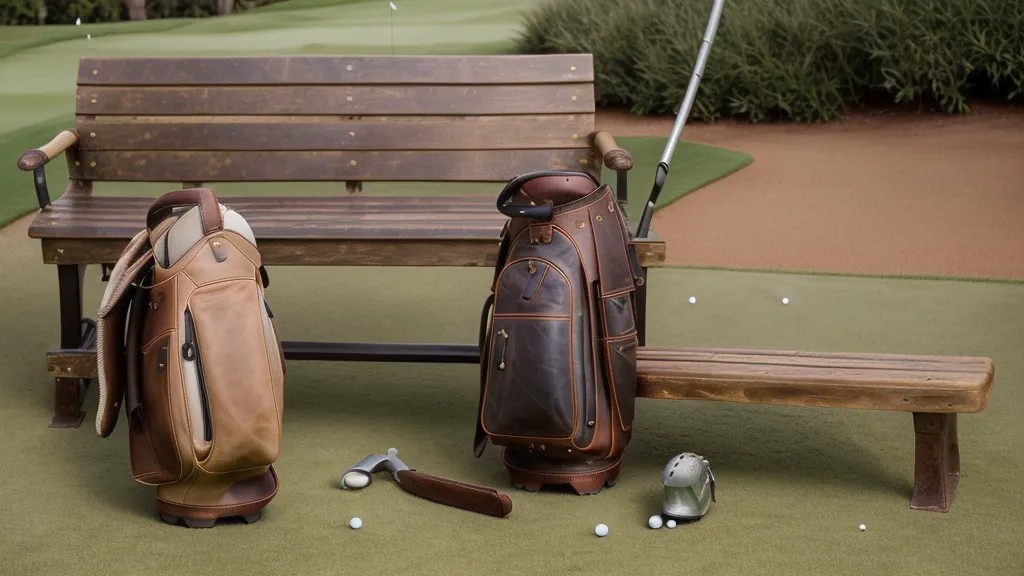
None of this happens in isolation from the rest of the bag. A push cart that wanders on a downhill path costs more strokes than a toe strike ever will, and the same goes for one too bulky to fold down and fit in a trunk after the round. Grip pressure on the putter face matters just as much as it does on an iron; Skip Dabrowski, a regular in my Saturday group, will tell you unprompted exactly why he thinks face milling matters more than people give it credit for, and half the time he's not wrong. A mallet head forgives a shaky stroke on the green the same way the T200 forgives one through the fairway, and a bag too heavy to carry for eighteen holes undoes any gain in iron forgiveness by the time you reach the back nine.
A glove that breaks down in August heat changes your grip pressure before the club ever gets blamed for a miss. Match ball compression to swing speed and you get more consistent distance than any face technology buys you on its own; skip that step and you're fighting the ball before it ever reaches the iron. A ball that scuffs on the first cart-path clip won't hold a line regardless of what it's struck with, and on a bright afternoon a yellow cover you can actually see sitting up in the first cut from eighty yards out matters more than people admit. My knee makes the case for lateral support in a shoe just as strongly as it makes the case for a powered assist on a cart on the hillier days. None of it is a knock on the irons. It's just the rest of the math.
All of this gets tracked in the garage at home. Grips get pegged up in order from thin to fat along one wall, and there's a running tally of rounds logged in marker on the cinder block behind the workbench. Whatever's currently under test sits on a rolling cart by the door, ready to get thrown in the truck before an early tee time. Come mid-afternoon, the light through the one window goes flat and bright enough that it's a bad time to be back there judging grip color, let alone anything else.
Picking the Right Iron for Your Bag
Take the T150 if you find the center of the face eight or nine times out of ten and you're chasing feel over margin; that's a real preference, not a wrong one. Take the T200 if you're the guy catching one thin every other hole and need the ball to keep carrying anyway, because that's what the extra technology in the face is actually buying you. Move to a T350, or blend one into the long iron slots, the moment a 4 or 5-iron starts costing you the hole instead of saving it. None of the three is a bad club. The only real mistake is picking based on what looks good in the bag instead of what the scorecard says after the round is over.