A dozen Pro V1s costs roughly twice what a dozen Vice Pro Plus does, and at a 95 mph swing speed, only one of those price tags is actually buying you something you can use on the course. That is the blunt math sitting under most amateur golf ball reviews built for moderate swing speeds, and it took me three seasons of stubborn ego to admit it applies to me too. My handicap has been parked at 14 for a while now, my swing speed hasn't moved much past that same 95 mph mark in years, and neither number needs a ball built for someone with twenty more miles per hour of clubhead speed to spare.
Some of the links below send a small commission my way if you end up buying, at no extra cost to you. None of it changes what stays in my bag; everything in this piece came from balls I bought myself and logged round by round, not from a box shipped in for free.
Six years into rotating through gear since a knee injury traded running for walking golf, I have bought high-compression balls for the badge on the box more times than I care to admit. Three months on a "Tour Standard" ball did nothing for my scores; drives came off low and short, and the sound at impact was more thud than click every time. High-compression cores need real speed at impact to spring back the way they are designed to, and a 95 mph swing simply doesn't generate enough of that violence to get anything back for the extra cost.
Why Moderate Swing Speeds And High Compression Don't Mix
Compression is just a number describing how much a ball's core resists being squashed at impact. A high-compression core is built assuming a driver clubhead speed most weekend players in their forties and fifties don't have anymore, and if you can't compress the core, you are carrying dead weight down the fairway on every swing. That is the whole case for matching a ball's compression to your own swing speed instead of to whatever the low-single-digit guy in your group plays. I went looking for a urethane cover that would still spin around the greens without needing tour-level speed to unlock the core underneath it, because giving up short-game spin was never part of the deal I was willing to make.
Titleist remains the obvious control group for this kind of test. Titleist Pro V1s are the most-played ball in professional golf for real reasons: a consistent flight window, a short-game spin profile that low-handicap players trust, and a cover that holds up on cart paths better than almost anything else on the shelf. None of that is marketing fluff. But that performance is built around swing speeds well north of mine, and paying full Tour Standard price for spin and distance my swing can't access is closer to buying a truck bed I never load.
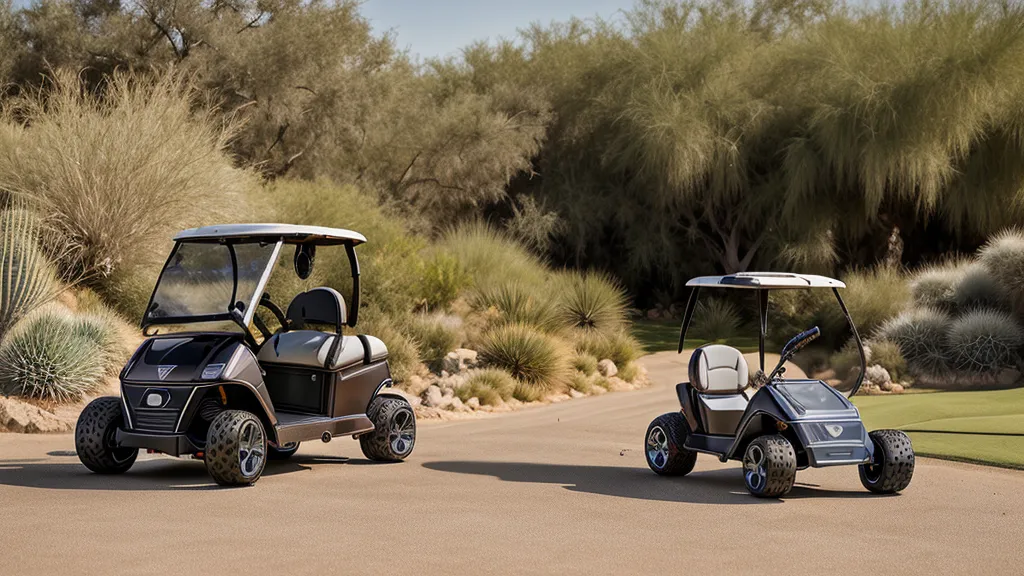
Testing this took actual rounds, not a launch monitor session. Most of my side-by-side rounds happened at Raven Golf Club at South Mountain, walking, pushing a cart loaded with both dozens so I could swap balls hole to hole under identical conditions. Pushing that cart down the steep drop off Raven's fifteenth, the frame tracked dead straight with no hand fighting the bar the whole way down, which said more about how the round was going that day than any compression chart could. The cart itself is a manual frame with an Alphard Golf Club Booster V2Pro bolted onto the axle, so the motor does the steering work on hills like that one while I just watch where the ball ends up.
Vice Pro Plus Against The Tour Standard: What Changed Over A Season Of Rounds
The challenger in this test was Vice Golf's Pro Plus, a four-piece urethane-covered ball built specifically to undercut Tour Standard pricing without walking away from Tour Standard performance. Pulling one out of the sleeve for the first time, the cover had that tacky, slightly sticky feel of a fresh urethane skin, similar to a new tire before it has seen a mile of pavement.
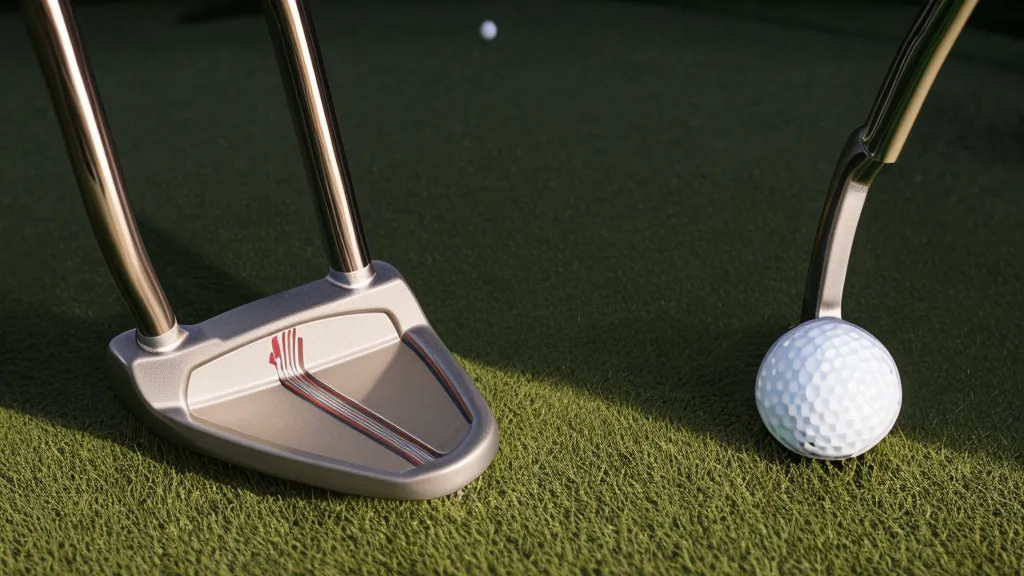
Putting with my SWAG Golf Putter, milled from a solid block of 303 stainless steel, the Pro Plus produced a softer, more muted click at contact than the Pro V1 did, and it held its line on lag putts just as well. A quieter strike doesn't mean a worse strike; it just means the ball is compressing against the face for a longer instant before it releases, which for a moderate swing speed is exactly the point.
Over roughly twenty rounds carrying both balls, the Pro Plus kept pace with the Pro V1 on every number that actually shows up on a scorecard. Wedge spin from fifty yards stayed within a couple hundred RPM of the Pro V1 in my own tracking, close enough that I stopped worrying about it by round ten. Total distance off the tee was a near wash once wind got factored in, and neither ball punished a mishit driver more than the other. Where the two separated was price, and eventually cover wear, not shot shape and not feel.
The Trade-Offs Neither Ball's Marketing Mentions
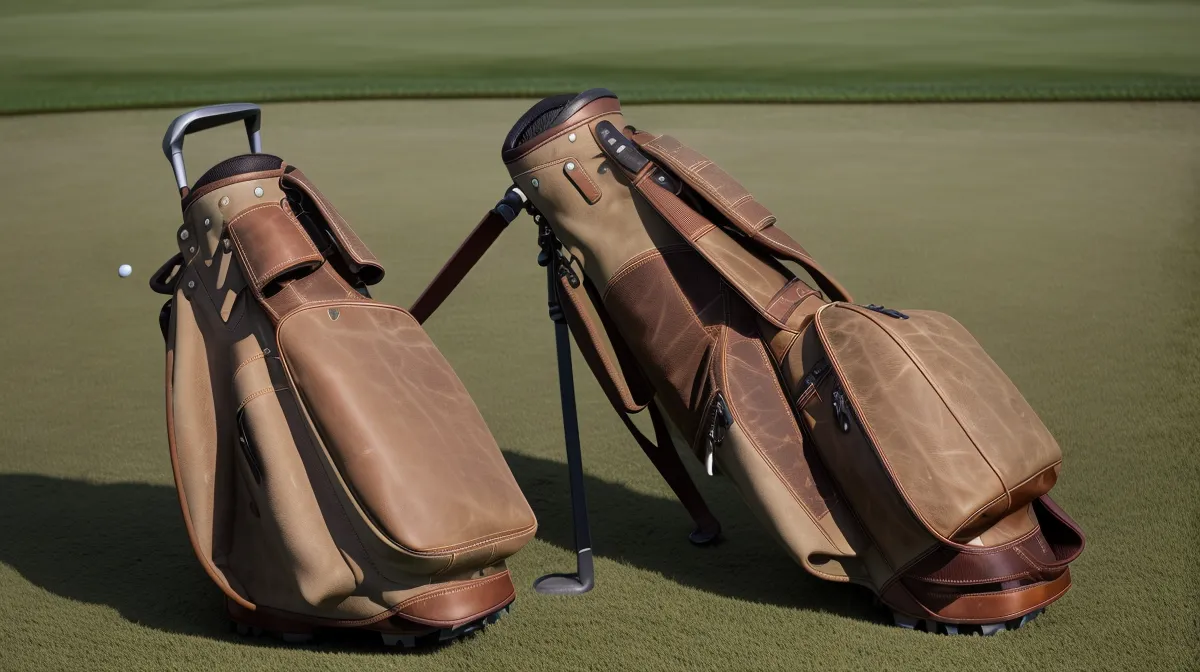
Cover durability is its own rabbit hole and not one I am chasing fully here, but the short version is that the Pro Plus scuffs a little sooner off cart paths than the Pro V1 does. At this price gap, I can retire a scuffed ball early most rounds and still come out ahead over a season. Bag weight is a separate argument entirely; the stand bag I carried before this one was a heavy cart-style bag I kept walking with out of stubbornness, and it left my shoulders aching by the twelfth hole on Raven's back-nine climbs more Saturdays than I want to admit, which had nothing to do with which ball was in the pocket and everything to do with what I made my shoulders haul around. Grip pressure on a putter, and whether a mallet or a blade suits an inconsistent stroke better, are their own conversations too, separate from anything a compression rating decides.
On a full walking round, what you feel by the back nine usually isn't the ball at all. It is your feet, and that is a conversation for spikeless shoes on a different day. My own FootJoy pair, backed by a two-year warranty, has outlasted every dozen balls I have bought this year combined, which says more about how many I lose than about shoe quality. Hands matter just as much on a hot round, and the same logic applies to a pair of gloves for sweaty hands: glove life has nothing to do with ball compression and everything to do with how many rounds you can play before your grip starts slipping. Traction on hardpan desert lies is a different question altogether from anything a dimple pattern can fix, and how forgiving your irons are on a mis-struck approach matters more to your score most days than the half-yard a premium cover buys you.
A friend of mine who plays doubles pickleball at Scottsdale Ranch Park three mornings a week asked why I didn't just buy the expensive ball and stop overthinking it. I told him the whole point of tracking any of this is that the expensive option isn't automatically the right one for a specific swing, whether that swing belongs to a golfer or to whatever paddle he is carrying these days.
So Which Ball Actually Belongs In Your Bag?
Play the Pro V1 if your swing speed sits comfortably above 100 mph, if you already play to a low single-digit handicap where every half-yard of spin control matters, or if resale value and brand recognition in your foursome carry real weight for you. Play the Pro Plus if your swing speed sits in that moderate range the way mine does, if you play enough rounds that dozen-price adds up fast over a season, and if you don't mind a cover that shows a season's worth of desert cart paths a little more visibly than the Tour Standard does. Neither choice is wrong; the mismatch only shows up when a moderate swing speed gets talked into paying tour prices for tour specs it can't actually use.
Test both before you commit to a dozen at a time. By early afternoon in Phoenix, a bag baking in a truck bed smells like sunscreen cooked onto hot rubber, and that kind of heat changes how a core compresses on the first tee more than a cool morning ever does. Play one dozen on a cool morning and the other on a hot afternoon, let the temperature swing show you what the spec sheet won't, and let the scorecard settle the argument instead of the label on the box.