33.2 putts a round. That's the average my log showed after a full cycle with an oversized putter grip, down from 34.5 before the switch. The ache in my right wrist at Raven Golf Club at South Mountain, Phoenix wasn't something to play through; it was a golf gear problem I could actually fix, and putter grips turned out to be the cheapest lever in the whole bag.
Quick disclosure before the field notes: a few links below are affiliate links, and if you buy gear through one, I earn a small commission at no extra cost to you. Every product here got tested through real rounds at courses across the Scottsdale and Phoenix valley, not pulled from a press release; you can read how I test gear in the site's editorial policy.
Why Would a Thicker Grip Fix a Wrist Problem?
My handicap sits at 13.4 most seasons; good enough to know a mechanical problem from a pain problem. The ache started as stiffness through the back nine and turned into a sharp catch on breaking putts, the kind of pain golfers call tendonitis once it sticks around. A standard-diameter grip makes the small muscles in your hand and wrist twist the face square on every stroke; do that for four rounds a week across a Phoenix summer and something eventually gives.
Oversized grips fix that by taking rotation out of the equation. The added diameter reduces how much your hand and wrist can rotate through the stroke, which is exactly what a golfer who overworks those small muscles needs; the trade-off nobody advertises is that you lose some of the tactile feedback off the putter face at impact. You are trading feel for control, and for anyone rehabbing a cranky wrist, that is a fair trade for at least a season.
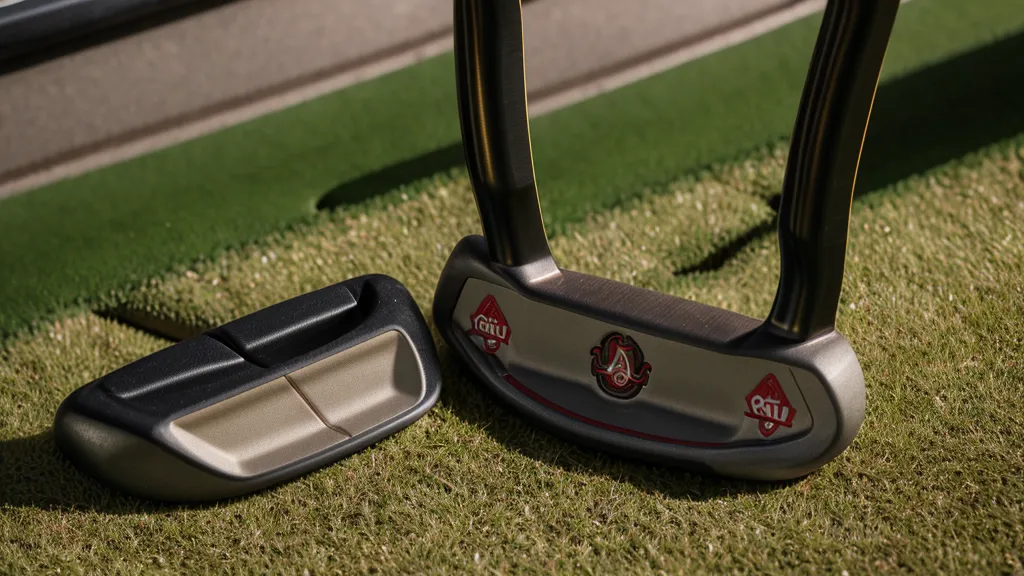
I paired the thicker grip with a SWAG Golf Putter, mostly because the head is milled from 303 stainless steel and I wanted to know if a jumbo grip would kill the feedback a milled face usually gives you. It didn't; the face still gave a distinct knock on the sweet spot even through the extra rubber. It's the same principle that pushed me toward higher-launch irons when I got tired of fighting blades off tight lies: sometimes the fix for a mis-hit isn't more feel, it's more forgiveness built into the tool itself.
Before I got to the grip, I tried fixing the problem from the other end. A pair of cabretta leather gloves were supposed to cut down on hand fatigue, and for about six holes they did; by the turn on any round past the Fourth of July they were soaked through and doing nothing, which is its own lesson about glove longevity once the desert heat gets involved. The grip diameter turned out to be the actual lever; the glove was never going to be it.
The Push Cart Test at Raven
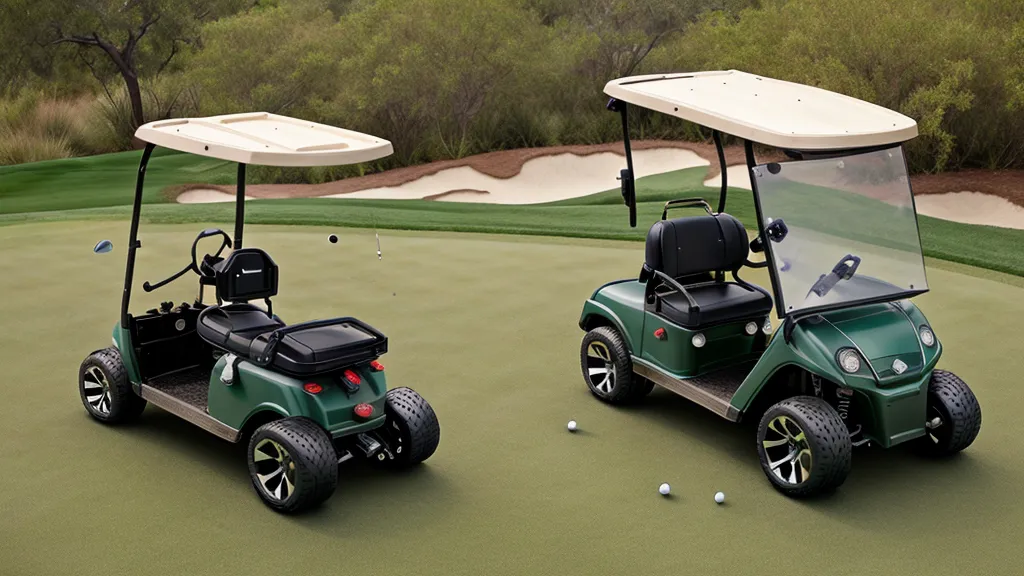
Four weeks into the grip test, the proof showed up somewhere I wasn't expecting: pushing the cart down the switchback off the 15th at Raven. I got to the bottom of that grade and noticed both hands were loose on the frame, no white-knuckle grip, no drift toward the rough on a downhill that used to fight me the whole way. Some of that is the cart itself; a Alphard Golf Club Booster V2Pro turns a manual push cart into something closer to remote-controlled, and keeping your hands off the handle between shots does more for wrist inflammation than any glove or grip alone. Cart stability on a grade like that comes down to how the weight sits over the wheels, and a bag that's packed too heavy on one side will still drift no matter how good the motor is.
Installing the Alphard took about half an hour with a hex key and some patience, matching what the spec sheet promises for setup time. The battery is rated for something like 36 holes on a single charge, and mine has held close to that even walking back-to-back rounds; the trade-off owners mention is that heavy summer use wears the battery down over a season or two and eventually means a replacement out of pocket. Front-wheel tracking needed some adjustment on side-hills before it stopped drifting on its own, but that's a five-minute fix once you know which way to shift the weight. Pairing that setup with Best Oversized Putter Grips for Golfers with Chronic Wrist Pain is what actually got my wrist through a full season without a flare-up.
Ball Choice Changes What You Feel at Impact
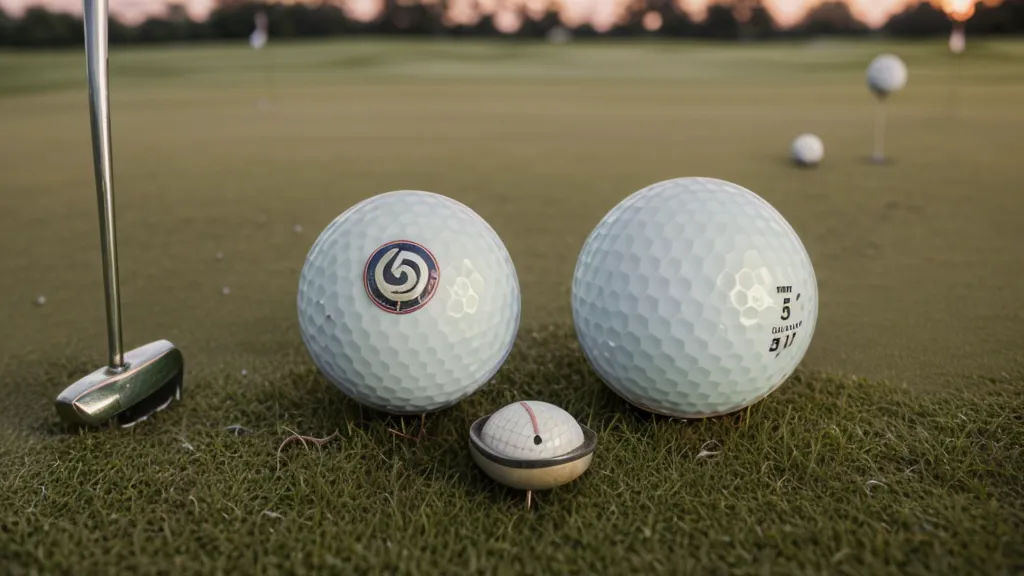
The common complaint about oversized grips is that they feel numb, like the putter face turned to felt. To chase that feeling back, I spent a stretch rotating golf balls instead of grips. I went between Titleist Pro V1s and Vice Golf Pro Plus, and the Titleist's reputation is earned; flight consistency and a soft feel off the face are hard to argue with. The Vice ball, priced well under a box of Pro V1s, gave a firmer pop I actually preferred once the grip diameter went up, which tracks with something a playing partner, Kenny Prater, always harps on: ball compression has to match your swing speed or you're guessing at feel no matter what's wrapped around the shaft. Kenny will talk your ear off about ball speed numbers and still hasn't paid for a proper fitting to confirm any of it.
Vice's cover scuffs a little faster than a Pro V1x once you start finding cart paths and hardpan lies, which is the same durability trade-off you run into with any budget ball on desert courses; it's not a dealbreaker, just something to expect before you buy three dozen. Footwork matters just as much as the ball once you're leaning on a heavier grip to save the stroke, so I moved into FootJoy shoes with a real waterproof guarantee behind them. A stable base means you're not swaying or bailing out a putt with your wrists at the last second, and traction on hardpan is its own separate rabbit hole; I get into it more in Best Spiked Golf Shoes for Traction on Hard Desert Terrain.
Judging the Setup After Fifty Rounds
Fifty rounds into this exact setup, the grip, the SWAG mallet, the Alphard doing the pushing, and the notebook backs up what my wrist already knows. The pain went from a sharp stab on full extension to a dull ache that only shows up deep into a back nine, and I've dropped the claw grip I was using to compensate and gone back to a plain cross-handed hold because the grip diameter is doing the stabilizing now instead of my fingers.
For anyone still fighting an inconsistent stroke, the grip is only half the equation; head design is the other, and that debate is worth its own read in Mallet vs Blade Putter for Amateurs with Inconsistent Strokes. Grip size and head mass distribution are solving the same off-center miss from opposite ends of the club; one quiets the hands and the other stabilizes the head, and running both together is the closest thing I've found to an anti-twitch setup. Skip Dabrowski, who I play with most Saturdays, took one look at the SWAG price tag and went back to his usual setup; the man won't spend more than the cost of a cheap sleeve of balls if he can help it, but even he admitted the jumbo grip alone was worth adding to his own bag.
If your wrist is barking by the back nine and you haven't touched grip diameter yet, that's the cheap first fix; a local fitter can measure your hand size in ten minutes. But if the real damage is happening on the walk between shots, start with the Alphard Golf Club Booster V2Pro and let the cart take the strain instead of your hands. The lesson that took fifty rounds to learn: your wrists are getting worked over long before you ever stand over a putt, so fix the whole walk, not just the stroke.