A toe-strike on a blade putter kicks the ball noticeably offline. The same miss on a mallet barely drifts. That gap is the entire argument for mallet versus blade putters when an amateur's stroke isn't textbook-repeatable, and it's the one difference that actually decides which head belongs in your bag, not how either putter looks resting against the cart rack.
Some of the links below are affiliate links; I earn a commission if you buy through them, at no extra cost to you. I'm a Scottsdale broker who traded running for golf after a knee injury took the decision out of my hands, and at a 14 handicap my stroke doesn't fall apart from bad technique so much as bad timing late in a round. Every putter, ball, and pair of shoes mentioned here has been through fifty-plus rounds of my own testing before it earns a sentence; you can read more about how that testing works in the Editorial Policy.
A Mis-Hit Blade and a Mis-Hit Mallet Do Different Things
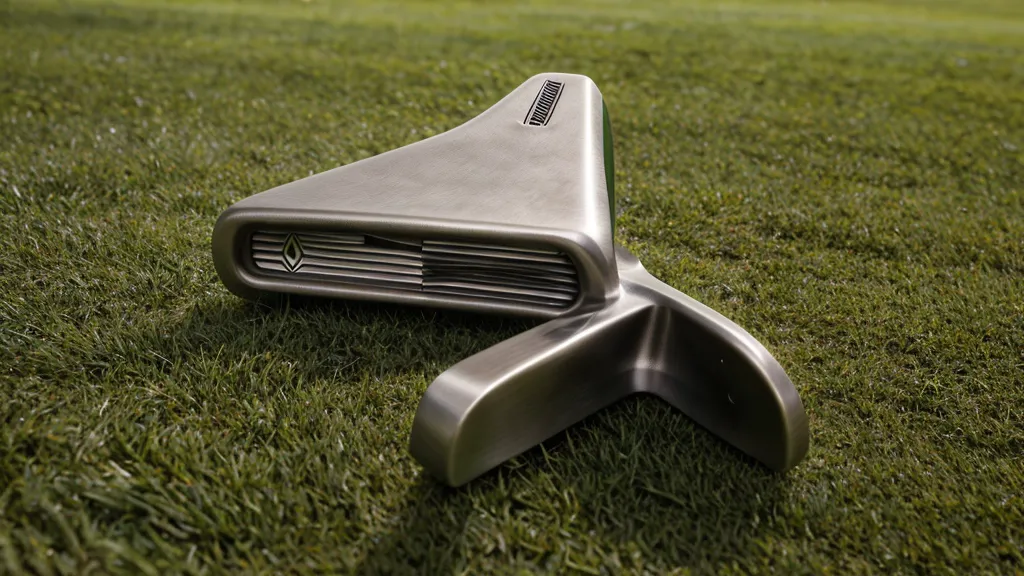
The blade I carried for most of a season is proof of that gap. I bought it because tour pros play blades, which is a terrible reason to choose a putter, and it cost me six straight rounds of three-putting before I admitted the problem wasn't my read.
A blade putter concentrates its mass directly behind the face, so off-center contact, even by a small margin, twists the head open or closed and sends the ball offline independent of how well you'd read the line. That's basic Moment of inertia: less mass spread away from the strike point means less resistance to twisting. A mallet pushes weight to the perimeter and behind the face, which resists that twist. It doesn't erase a bad stroke; it just makes a bad stroke less costly on the scorecard.
The mallet I've carried longest since is a SWAG Golf Putter, a milled 303 stainless head that felt almost boring compared to the blade, which turned out to be the entire point. Contact that used to run well offline now finishes close enough to matter. I paired that switch with a Alphard Golf Club Booster V2Pro so the rounds themselves stayed easier on my legs; a tired back nine undoes any putter's forgiveness fast, and staying fresh through eighteen holes matters almost as much as head design.
If you're walking every hole and dealing with sore feet by the back nine, that fatigue shows up in your stroke before you notice it consciously. I cover what's worked for that in my Best Golf Shoes for Walkers with High Arches notes, and the short version is that a stroke built on tired legs misses the same way a stroke built on a twisting putter head does: unpredictably.
Putter-Head Forgiveness, Explained
Forgiveness, in a putter, just means how close a mis-hit finishes to where a pure strike would have gone. A wider mallet footprint also helps with alignment, since a bigger sightline is easier to square up at address, especially once fatigue starts creeping into your setup routine on hole fifteen or sixteen. A blade rewards a repeatable, centered strike and does little to help with anything else about your technique; that's exactly why it's such a poor fit for anyone whose stroke changes shape as a round wears on. None of this is about skill level the way marketing implies. Plenty of low-handicap players carry mallets now specifically because tournament rounds are long and fatigue is real for everyone, not just weekend amateurs.
That added stability plays nicer with certain ball compressions too. If your swing speed is moderate rather than fast, matching a softer-compression ball to a stable mallet face keeps feel consistent from tee to green, which is the ball-fitting logic I get into in my Best Performance Golf Balls for Moderate Amateur Swing Speeds notes.
Does a Heavier Head Ever Hurt Your Feel?
Yes, and it shows up fastest on fast, grainy greens. Bermuda grass greens, the kind you find at Las Sendas Golf Club in Mesa, run true but grabby against the grain, and a heavy mallet head can blow a putt well past the hole before you recalibrate your feel for pace. A blade telegraphs a soft strike immediately, through a duller sound and less roll off the face; a mallet just rolls it, soft hit or medium hit, and that quiet is exactly what makes it harder to self-correct mid-round.
The last read of a hole often starts long before you reach the green. I've picked out a ball's yellow cover sitting up in the first-cut rough from eighty yards out at Las Sendas, sun square on it, and known before I got there that the lie would let me play a full putt off the fringe instead of a bailout chip. That kind of read has nothing to do with putter head shape, but it's the same instinct behind both: paying attention to small, specific details instead of trusting a general feel.
Blades Still Earn Their Place on the Practice Green
If your three-putts cluster on longer looks and mid-round fatigue rather than a fundamentally broken stroke, a mallet's forgiveness will save you more strokes than a summer of practice-green blade work. If you're already committed to fixing stroke path and want a putter that tells you the truth on every strike, keep the blade in the bag and treat the practice green like a lab; just don't expect it to bail you out on hole sixteen when your legs are gone. That's the actual decision, and it has almost nothing to do with what looks better in the trunk.
A longtime acquaintance of mine, Lonnie Gruber, texts me before almost every gear purchase now that he's taken up golf seriously. His last message blamed a chunked iron entirely on the club before he even asked whether he should switch putters too, which is the wrong order of operations but a familiar one; equipment is always an easier answer than a stroke that needs work.
One reader, Gord Szabo, who works construction out in Chandler, wrote in with a long question about grip thickness and how it changes hand tension through the stroke. Oversized grips can quiet small hand movements the same way a mallet head quiets a mis-hit, and it's worth its own read if wrist strain is part of what's breaking your stroke down. Swapping a grip yourself is a five-minute job with the right solvent, and the sting of it hitting the back of your throat for a second is the closest thing to a warning label the process comes with. Gord's since forwarded that piece to the four guys in his regular weekend group, which is the kind of endorsement that means more than a star rating ever will.
The Fatigue Problem Nobody Blames on the Putter
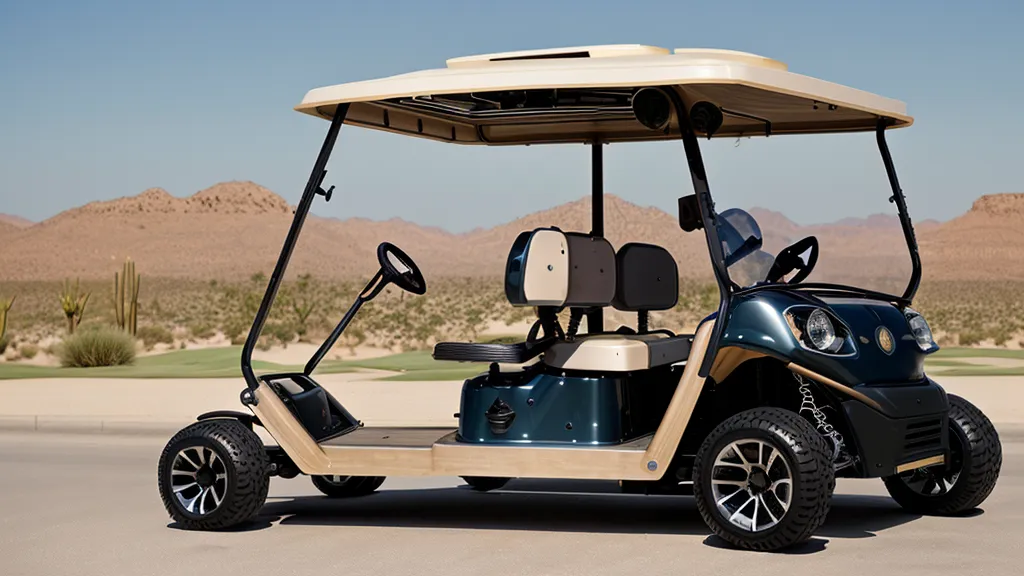
None of this works in isolation. I noticed real improvement in how quiet my hands stayed on the green once I stopped pushing thirty-plus pounds of bag myself for eighteen holes. Running the Alphard Golf Club Booster V2Pro on walking rounds took that strain off my shoulders before I ever reached a green. Cart stability matters here too, since a wobbly wheel that drifts on a downhill fights your hands the same way a twisting putter head does, and I've written separately about what actually holds up on hilly public courses.
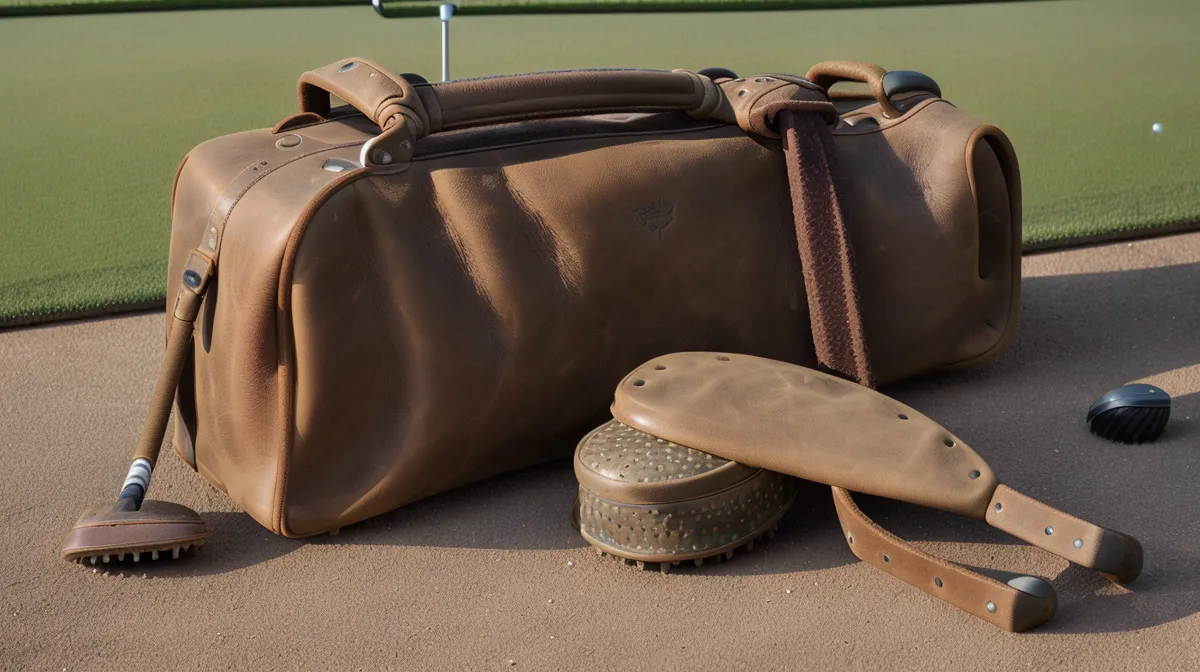
A stand bag that's too light and too tall does the opposite of what you want; it saves a pound on your shoulder but sways at address and undoes the stability you're trying to build into your stroke. I don't recommend skimping on bag weight just to shave ounces, and it's worth checking how a bag actually carries across a full walking round before you commit to one based on the spec sheet alone.
The Rest of the Bag That Keeps the Putter Honest
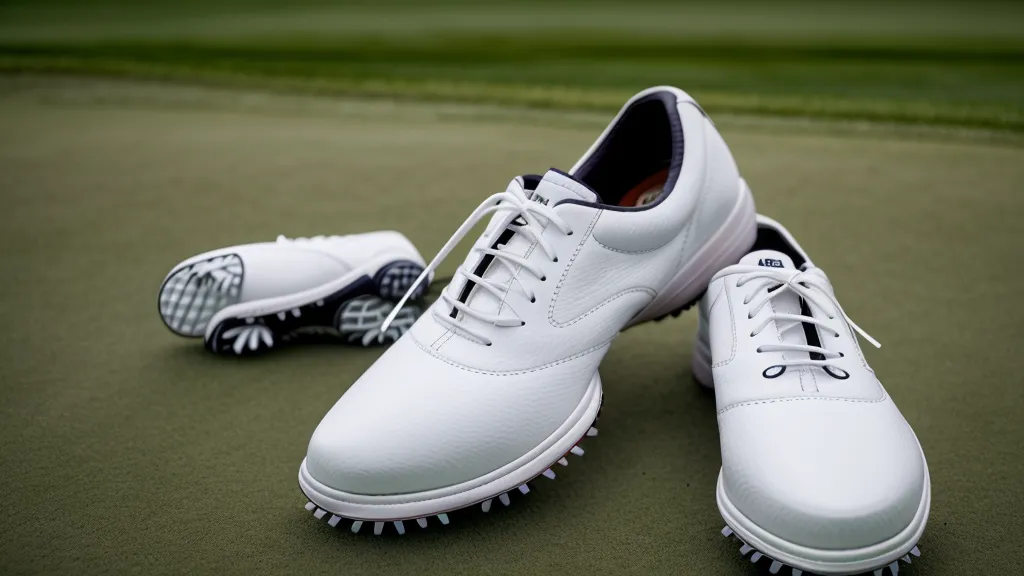
Feet matter just as much. I've worn FootJoy for a couple of seasons now mostly for the waterproof warranty, since wet socks by the third hole make for a shaky stroke no matter what putter is in your hands. Traction matters separately from waterproofing, and spikes that grip nicely on grass can still slide on hardpan desert lies, which is worth checking before a round, not during one.
Grip on the club is one thing; grip in your hand is another, and glove leather breaks down faster than you'd expect once Arizona heat and sweat get involved, so I replace mine more often than the label suggests. Ball choice plays a role in this too. Durability off cart paths and hard scrape lies at desert courses adds up over a season, and a cover that scuffs early changes how a ball comes off the putter face by the back nine of its own life, not just off the driver.
I keep a Best High Visibility Golf Balls for Sunny Arizona Desert Play pick in the bag through the sunniest months so I'm not searching first-cut rough between putts, and I rotate between a Titleist Pro V1 for the feel on and around the green and a Vice Golf Pro Plus when I want a similar short-game response without burning through a full-price sleeve every round; both read a little differently off a mallet's face than they ever did off my old blade. If you're mid-transition away from blades in your irons too, forgiveness there follows the same logic as the putter: more of the work gets done by the head, less by a perfectly centered strike.
If you're rotating through putters trying to fix a stroke that falls apart late in the round, start with the head shape before you second-guess your read; a mallet buys forgiveness a blade never will, and forgiveness is what most inconsistent strokes actually need. If fatigue is part of what's breaking your stroke down by the back nine, stop carrying the extra weight around while you're at it; the Alphard Golf Club Booster V2Pro is the single change that did the most for my putts per round, full stop.