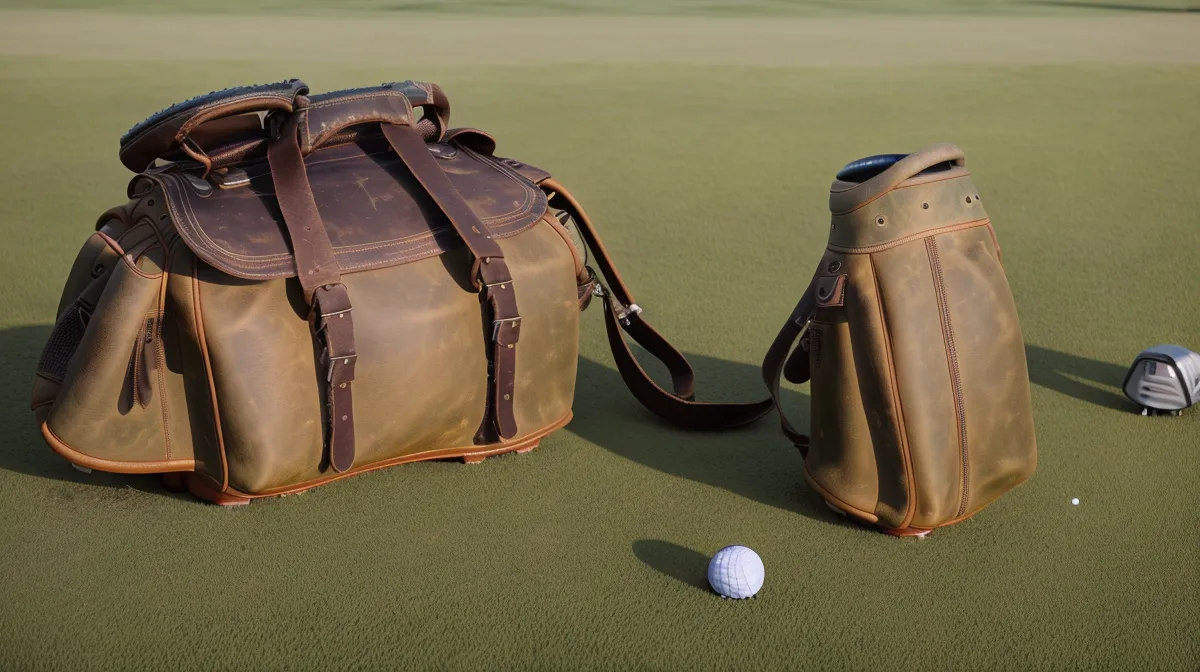
The leading edge caught a half-inch behind the ball and skipped instead of digging, sending a sunburned Titleist Vokey wedge skittering forty yards past the flag and into the wash right of the green. That shot ended any argument I had left for running the same wedge grind through November's overseed and July's desert hard-pan, and it's the reason my short game spent a full season getting rebuilt around whatever the Phoenix valley's firmest fairways could throw at it.
Home base is Scottsdale, not far from where I actually do the damage: Papago Golf Course, a Phoenix muni that runs green and forgiving through the winter overseed and turns to something closer to a parking lot by early summer.
The Desert Shift From November Overseed to June Hard-Pan
Desert golf really is two different sports wearing the same scorecard. Overseed season means soft, moist turf and rye grass thick enough to forgive a lazy strike. By the time June rolls around, the water budget tightens, the rye dies back, and what's left is thin Bermuda grass stretched over dirt that might as well be asphalt.
The Vokey SM10 lineup spans 46 to 62 degrees of loft with bounce running anywhere from 4 to 14 degrees, and in the winter a high-bounce grind is basically a cheat code; you can slide through that lush grass without thinking about it. Once the ground bakes out, the same clubs start fighting you. Too much sole width or too much bounce and the club skips off the hardpan instead of sliding through it, and you get that flat, metallic clack of a blade catching turf instead of ball. My scorecard has heard that sound enough times to know it by ear; my handicap sits around 12, and most of the strokes I bleed in July come from exactly that miss.
Why the Low-Bounce Vokey T-Grind Only Rewards Precise Contact
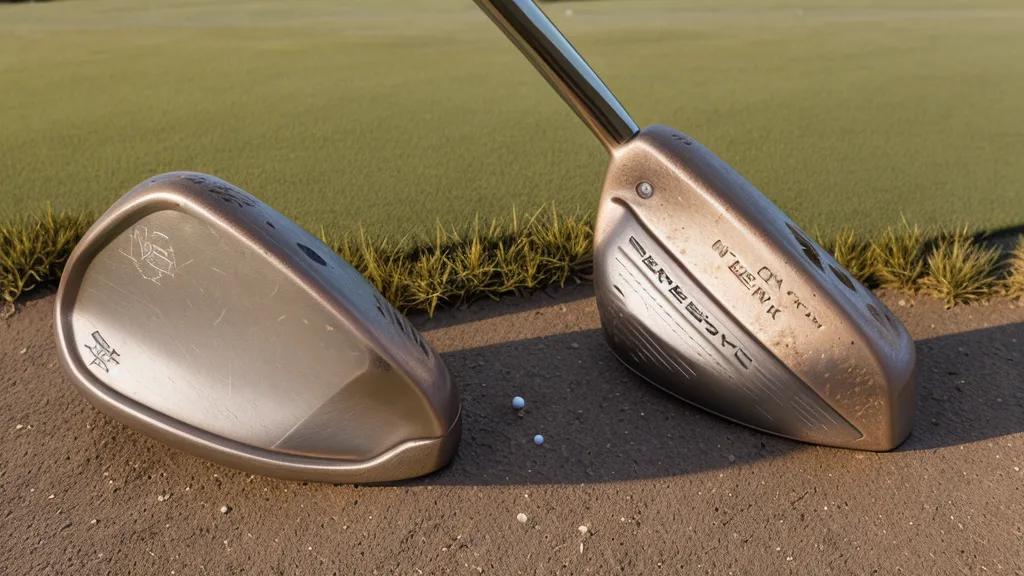
Conventional wisdom says hard ground calls for low bounce, and the T-Grind sits at the extreme end of that idea. The 58 and 60-degree heads carry only 4 degrees of bounce and a sole narrow enough to stay flush to the turf even with the face wide open. Getting comfortable with the 58.04T took real rounds, not a range session or two.
There's a particular feeling in the lead wrist when a T-Grind nips a ball clean off a dirt-thin lie; the leading edge finds the equator of the ball and the spin that comes off it is something else entirely. Cold mornings told a different story. Miss behind the ball by even a fraction with hands that haven't warmed up yet, and that narrow sole doesn't skip — it digs like a shovel, and the shot just stops dead.
The M-Grind Settles In as the Everyday Choice
After a rough stretch when the ground had fully baked out, I went back to the 58.08M. The M-Grind carries 8 degrees of bounce, still fairly low, but the sole is wider than the T-Grind's and carries real heel, toe, and trailing-edge relief. Opening the face doesn't send the leading edge climbing the way it does on a narrower sole.
Fifty-some rounds with this setup told a clear story: the T-Grind produced the best individual shots, but the M-Grind produced the best average score. It gives you just enough skid to survive a slightly heavy strike without inviting the skip that leads to a skulled shot across the green. Think of it like a daily-driver truck that never gets photographed but always starts; it's not flashy, but it's what actually lowers a scorecard round after round.
Around week four of running the M-Grind through everything the course could throw at it, the moment that actually sold me came on the 14th at Papago: a downhill flop off bare dirt where I'd normally bail out of the swing halfway through. This time my feet stayed planted through the finish, no last-second deceleration, no hedge, and the ball came out clean and spinning instead of thin and hot.
I've written up the full breakdown of how to choose the best wedge bounce for hard desert fairways elsewhere on the site; the short version that changed my own bag is that grind geometry, not the bounce number stamped on the sole, is what lets a wedge sit flat once the face opens. Enough heel and trailing-edge relief, and even a moderate-bounce head stays low to the dirt instead of climbing into the equator of the ball.
None of this came from a spec sheet; it came from rounds and a beat-up notebook I've kept since I started chasing the right combination. I made a version of this mistake once already, with a putter instead of a wedge: swapped to a blade because tour players carried them, then three-putted six rounds straight before admitting the switch had nothing to do with my stroke. Grinds get the same treatment now; I don't trust a sole until it survives real lies, not a demo day on manicured range turf.
Lonnie Gruber, a guy I've known for years through commercial contracting circles who took up golf a couple seasons back, texted me mid-testing asking if he needed a T-Grind because his last three chunked pitches were, in his words, "obviously the club." Lonnie blames the equipment for pretty much every mis-hit iron he's ever produced, and I told him what I'll tell anyone: a narrow sole won't fix contact that's already off by half an inch.
What Extra Shaft Weight Changes in Your Short Game
Grind gets most of the attention, but total weight matters just as much around the green. Every standard Vokey wedge ships with the Dynamic Gold S200, a 130-gram shaft that's heavier than most of what's in the rest of the bag. After a knee injury pushed me off running and onto a golf cart full time, that extra weight turned out to be a genuine help; it stabilizes the hands on short, touchy shots instead of letting them get twitchy.
On the firmest lies, the temptation is to help the ball into the air, and that's exactly the wrong instinct. Trust the loft and let the weight of the head do the work instead. Once I stopped fighting the bounce and let the heavier shaft swing through impact, contact got noticeably more centered, and it felt a lot like breaking in a stiff pair of work boots; you stop thinking about them once they've molded to the way you actually walk. For days when the wind starts howling off the desert and the driver becomes the bigger problem, I've put together a separate look at the Best Cobra Golf Drivers for Amateurs Seeking More Forgiveness.
Is More Bounce Really the Safer Bet in the Valley?
Most teaching pros preach bounce as a safety net, and for good reason if you're playing lush Midwest fairways or soaked Pacific Northwest turf. Out here, that same logic can work against you. A high-bounce wedge, something like a 14-degree F-Grind, will skip off ground this firm before the face ever gets to the ball.
My notebook shows the trend plainly: skulled shots jumped by roughly 40 percent in stretches where I leaned on a high-bounce wedge through mid-summer fairways. Dropping to lower bounce and a narrower sole cut those misses down fast. Occasional digs are the trade-off, and I'll take that trade every time; five yards short in a bunker beats forty yards long into a cactus.
Setting Up Three Wedges for Scottsdale-Area Rounds
Years of rotating through more setups than I want to admit finally settled the verdict for Phoenix-valley golf on something specific: three wedges, each doing one job. A gap wedge in moderate bounce, something like the 50.08F or 52.08F, handles full shots where you're taking a real divot. A mid-bounce sand wedge, the 56.10S being the classic choice, works for the softer sand found in most well-maintained resort bunkers. For the lob wedge, though, you go low.
My final bag for another Scottsdale-area summer runs a 58.08M, because it's the one wedge that doesn't care whether it's November or July. Keep a T-Grind around for the rounds when your hands feel sharp and the misses stay rare, but build the bag around a grind that survives your average day, not your best one; that's the one piece of this whole notebook worth remembering, because bounce numbers on a hangtag don't tell you a thing about how a sole actually behaves once real dirt gets involved. Check your grips through the summer too, since the dry heat out here eats rubber fast, and a low-bounce grind is useless if the club is twisting in your hands before you ever reach impact.