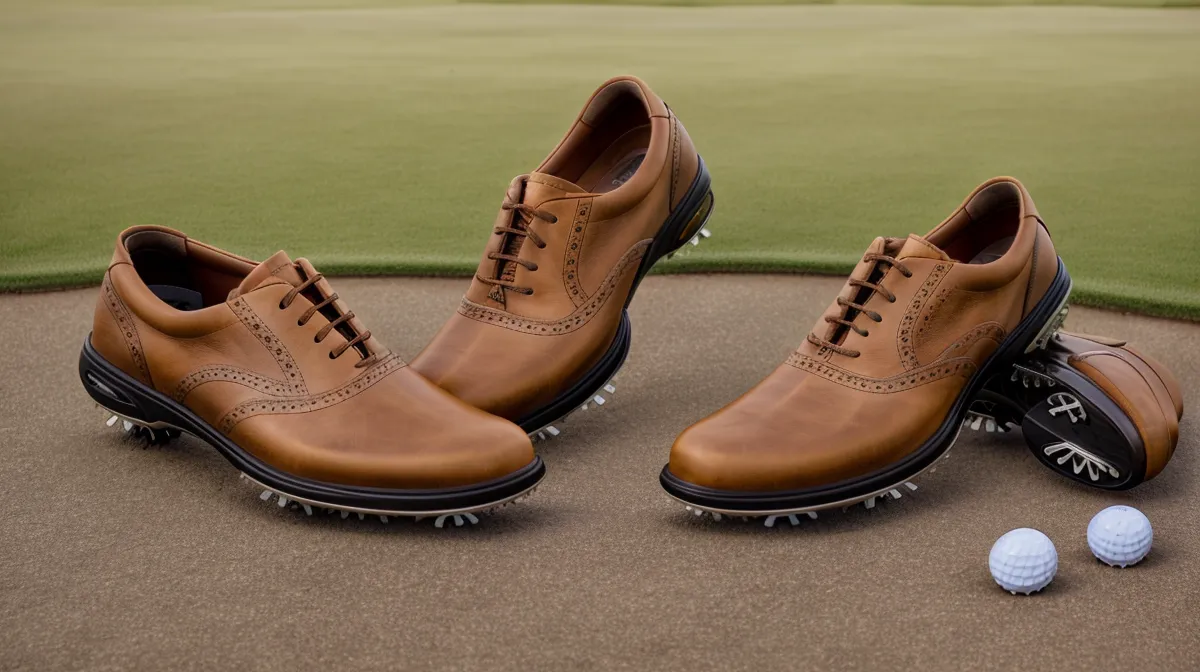
My left arch folds inward by the tenth hole, and I can feel it happening one step at a time instead of all at once. Walking golf around the Scottsdale valley taught me this before anything else did: soft shoes and high arches do not get along, no matter how plush the foam feels in the pro shop mirror. Rotating through FootJoy's flagship lineup over the better part of a season at Wigwam Golf Club in Litchfield Park is what finally told me why, and it is the review I wish someone had handed me before I wasted good rounds on marshmallow soles.
Quick disclosure before getting into it: a few links below send a commission my way if you buy through them, at no added cost on your end. Every pick here came off gear I paid for and rotated through on real rounds in the valley, never a loaner or a press-kit sample. Testing notes and the full policy live on the Editorial Policy page.
Why Cushion Actually Works Against High Arches
Most guys at the club think more cushion means more comfort; they buy the max-foam shoes that feel like walking on marshmallows in the pro shop. For someone with high arches, that is a recipe for a mid-round meltdown. High arches, or pes cavus, need a shoe built like a structural bridge, not a pillow. Step into a soft foam shoe and the arch has nothing to push against; the foam compresses unevenly and the foot starts hunting for something solid underneath it.
A knee injury that ended my running days is the reason I got serious about the physics of walking golf in the first place; once running was off the table, every mile had to happen on a golf course instead. If the foot keeps micro-adjusting because the sole is too soft, the knees and hips absorb the difference by the turn. I went through a stack of 'comfort' shoes that left me limping by the back nine before I figured that out; you need a chassis that holds its shape, the way a broken-in pair of work boots holds up, or the suspension on a daily-driver pickup does.
Six Weeks Rotating Through FootJoy's Flagship Builds
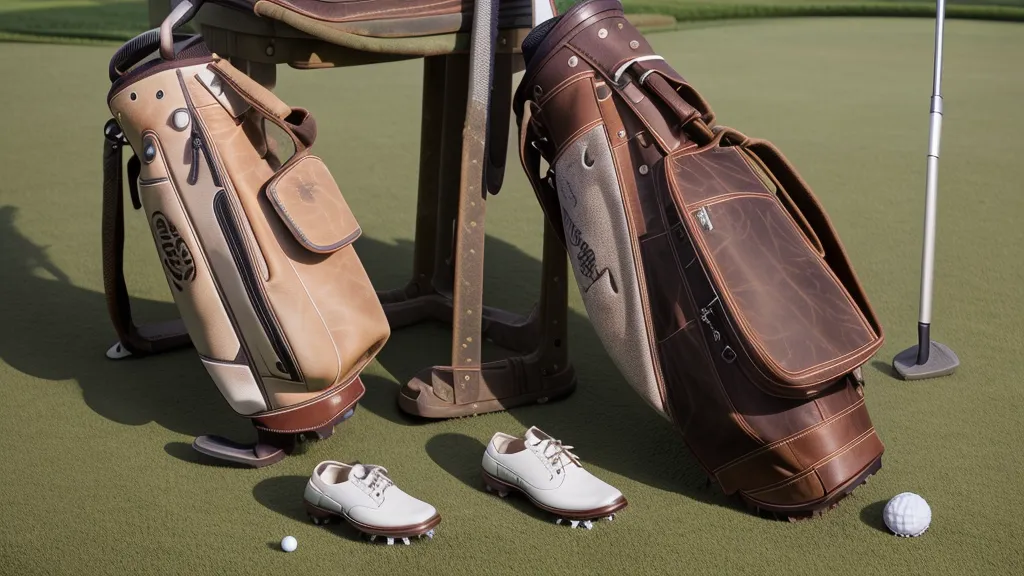
Six weeks of swapping between the two flagship FootJoy lines is what it took to see the pattern clearly on the scorecard, not some lightning-bolt moment on a random back nine. Splitting the season between the Premier Series and the Pro/SLX is how the difference showed up. The Premier is the stiffer, more traditional leather build, the one tour players wear when they want the classic look. The Pro/SLX is the modern spikeless option built for a more athletic fit. Both carry a two-year waterproof warranty, which matters more than people think; even in the desert, morning dew and monsoon runoff will soak a cheap shoe by the third hole.
What became clear after fifty rounds is that the stiffer leather in the Premier gave my arches the actual bridge they needed. It held off the mid-foot fatigue that usually sets in after six miles of walking, and my ball striking stayed steadier on the back nine because the base underneath me was still solid. Switching to the more flexible build, I could feel my weight drifting toward the outside edge of my foot, which is exactly how a soft push turns into a weak fade that finds the desert scrub.
Does the Pro/SLX Work for High Arches? Only With Help
The Pro/SLX is a good-looking shoe if an athletic profile is what you want, and the lateral stability is excellent for the swing itself. Walking comfort is a different story for a high arch; I had to add a structured insole before the shoe worked for me at all. Skip it and a sharp, rhythmic throb starts under the midfoot, usually right around the uphill stretch on the back nine, a reminder that the arch is doing work a soft sole should be doing instead. Anyone chasing the best spikeless golf shoes for walking 36 holes in heat should keep the Pro/SLX in the conversation, just budget for the insole if the arch runs high.
Foot Stability Changes What Happens on the Green
Swing mechanics get all the talk, and the foundation under the swing barely gets mentioned. There is a distinct, satisfying thwack when a Titleist Pro V1 meets a milled stainless face, the kind of contact that tells you everything is lined up right. Testing a SWAG Golf Putter milled from that same kind of steel is when the improvement in my putting showed up, once my feet felt grounded under me. Arches that ache make you rush the routine; you stop walking the line, stop squatting to read the break, and just want to get back to the cart.
An electric caddy like the Alphard Golf Club Booster V2Pro takes real weight off the shoulders and stretches a single charge across a full round. Even with a remote-controlled cart doing the pushing, the feet still cover the same distance they always did, and if the shoes are not supporting a high arch, even the best electric golf push carts will not save you from plantar fasciitis. A structured shoe paired with an electric cart has become the setup I recommend to anyone over forty who still refuses to ride in a buggy.
How the Leather Holds Up After Fifty Rounds in the Valley
Most sneaker-style golf shoes are done after fifty rounds; the outsole smooths out and the foam loses whatever rebound it started with. The higher-end FootJoy builds held their shape a lot longer in my testing. Back in the garage — grips lined up by diameter along the pegboard, the round count inked onto the cinder block in marker — the shoes were the one thing on the test cart that never ended up in the reject pile. Cedar shoe trees after a sweaty round keep the leather doing its job. I went through a stretch testing Vice Golf balls and a handful of glove setups too, but nothing changes the actual feel of a round like the connection between shoe and ground.
Traction gets credited for a lot that is really an arch problem underneath; a collapsing arch rolls the foot off the edge of the outsole, so the shoe loses its grip on hardpan even when the tread itself is fine. Worth remembering before blaming the spikes on the best spiked golf shoes for traction on hard desert terrain when the real issue is happening a few inches higher, at the arch.
The two-year waterproof guarantee on the flagship FootJoy lines matters more to me than almost any other spec, and I don't skip a round just because the course is still draining from a summer storm. Walking through standing water at Wigwam, I come out with dry socks every time, which is more than I can say for the cabretta leather gloves I rotated through the summer before; those would be soaked through before the turn on any July round. These days I peel the glove off after the eighteenth and the palm underneath is still dry even deep in August, which tells me the switch mattered nearly as much as anything I changed with my feet. Kenny, someone I run into on Saturday rounds now and then, still argues that spending real money on a pair of golf shoes is ridiculous when a cheaper pair does the same job; the wallet analogy comes out every time he brings it up. Stiff on day one, but it breaks in and lasts for years, the same as a good leather wallet does.
The Setup I'd Recommend to Any High-Arch Walker
Stop shopping for the softest shoe in the store if you keep a notebook like mine and track every ache after a round. High arches need a foundation, not a mattress. The FootJoy Premier Series has turned into my daily driver for exactly that reason: the rigid support keeps the arch from collapsing, which in turn keeps the knee quiet. My handicap has ticked down a point since the switch, mostly because I am not cooked and miserable by the time I reach the back nine at Wigwam.
Walking eighteen is one of the few things that keeps me sane through a Scottsdale summer, and I plan on doing it well past my fifties if my feet cooperate. If you want the same, invest in the structure your feet actually need instead of the cushion that photographs well on a shoe wall display. Grab a pair of structured FootJoy shoes and see if that back-nine fade does not disappear right along with the foot pain.