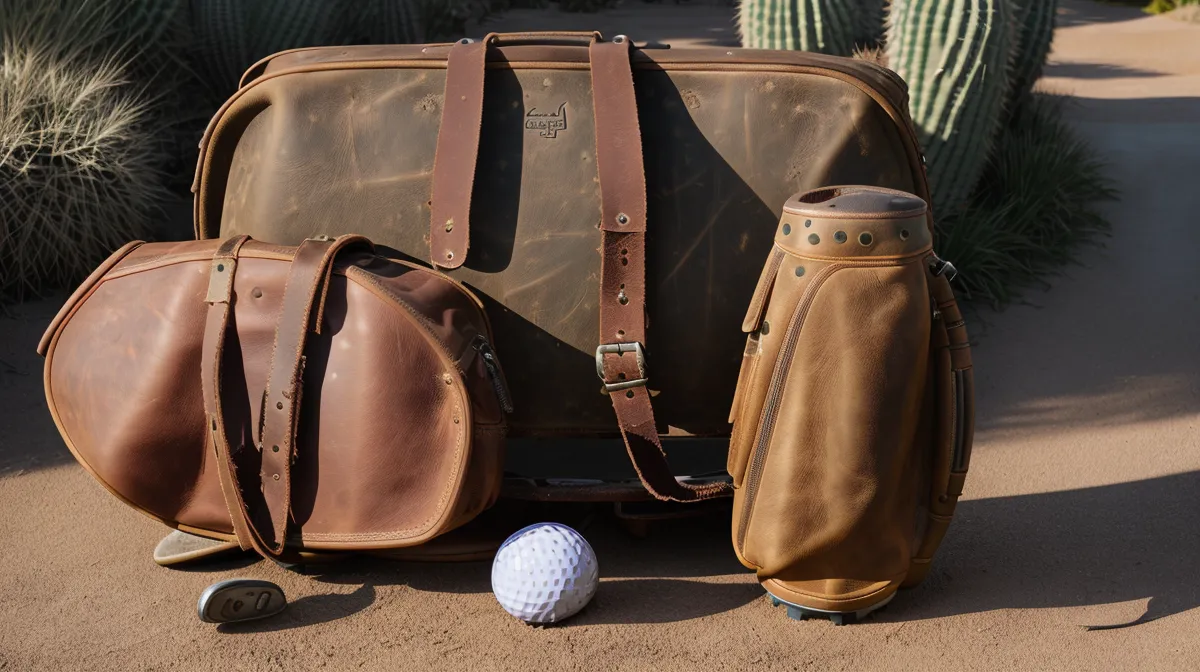
115 degrees on the scorecard at Aguila Golf Course in west Phoenix, and my white ball vanished before it even finished rolling. Not lost off line either; dead center of the fairway, swallowed by grass bleached the same shade as the ball itself. I found it a couple minutes later by stepping on it, and that's roughly the moment I stopped caring what the traditionalists in the clubhouse think about a grown man playing yellow. High-visibility golf balls aren't a novelty in desert golf; they're closer to a required piece of gear.
Desert Golf Turns a White Ball Into Camouflage
Playing in the Sonoran Desert means living with a color palette that runs khaki and sage under a wash of blinding white light for most of the golf season. Between May and September the sun washes out the exact contrast your eyes need to track something small moving fast against grass that's already gone pale. For years I stuck with a standard white ball because that's what a serious golfer supposedly plays; my own notebook eventually argued me out of it. Lost-ball counts on the worst glare afternoons ran nearly double what they did on early rounds, and a ball that disappears against sun-bleached desert grass is a different problem entirely than one fading into shade under a forest canopy somewhere green and humid.
Testing this properly took real rounds, not a bucket of range balls. Months of carrying nothing but high-optic colors at Aguila and the handful of daily-fee courses I rotate through, tracking how each cover held up against caliche dust and how the color read differently at midday zenith versus that flat, low, late-afternoon glare. Most gear reviews built around one bucket of demo balls miss all of this; visibility isn't just whether a ball is bright, it's how the light interacts with what the cover is actually made of.
Urethane Glow, Ionomer Glare: Why Cover Material Changes What You See
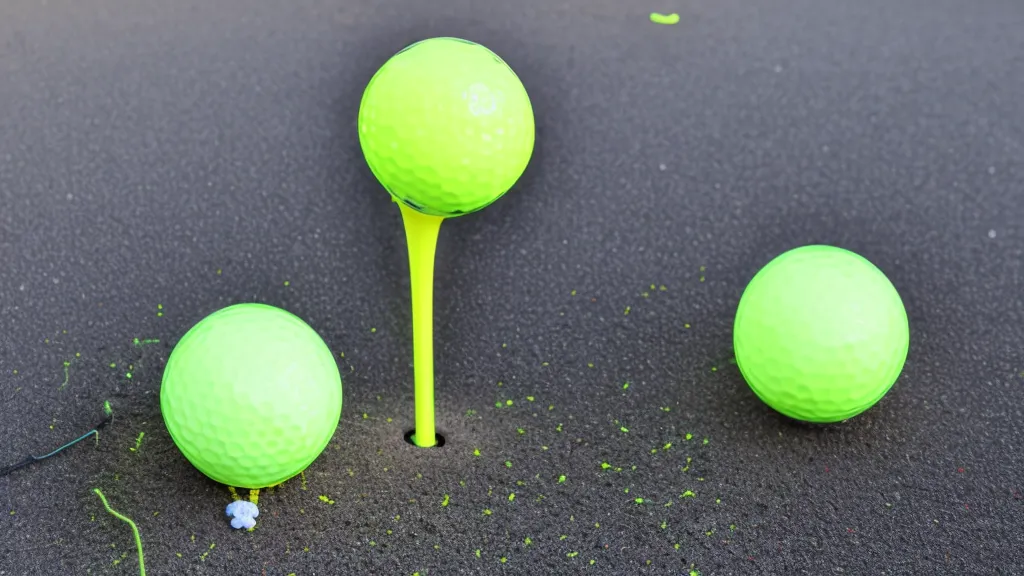
Not all yellow is the same yellow. A premium urethane cover has a depth to it that cheaper ionomer, or Surlyn-style, distance covers don't; the color looks baked into the material rather than painted over it, so direct sun makes the ball seem to glow instead of just bounce light back. Ionomer covers tend to sit flatter and more opaque, and a flat finish throws more glare at your eyes than it kills. I spent a stretch with a high-vis orange ionomer ball one spring; easy to spot in the air, gone the second it landed in the shadow line under a mesquite. Matte finishes are worse. A matte red looks sharp sitting on the tee, then turns into a black dot against blue sky, and if it drifts into the reddish hard-scrape past the rough, dropping a new ball beats the search every time.
Desert granite cart paths chew through a cover faster than almost any surface a ball meets, which makes durability a hidden filter worth weighing even when visibility is the only thing you think you're shopping for, and it's exactly why the most durable golf balls for desert courses with hard scrape areas got their own separate write-up instead of a paragraph here.
High Visibility and the Mid-Handicap Round
My handicap sits at 12.4 right now, and I'm not a pro; I'm a commercial real estate broker who tracks details because details are where deals live or die. That habit turned into a notebook of every yardage, every ball tested, and every grip swapped, because I wanted proof of what actually works past round thirty, not round three. What the notebook showed surprised me: lost balls per round dropped by roughly a third once yellow became the only color left in my bag, and it wasn't because contact suddenly got cleaner. It was because I could see exactly where a mishit landed instead of guessing which patch of desert had swallowed it.
There's a mental side to this too. Lose track of the ball and you start steering instead of swinging, protecting a shot you can't actually see land yet. Five weeks into playing yellow exclusively, I remember one 6-iron approach at Aguila that came off with a soft, quiet click instead of the thin sting of catching it low on the face; nothing about my swing had changed, I'd simply stopped peeking up early trying to find the ball before impact was even finished. That same instinct to second-guess a stroke is what finally pushed me to settle my own mallet vs blade putter debate for amateurs with inconsistent strokes, and it's close to the same logic behind swapping into more forgiving irons instead of chasing another blade change.
What Desert Heat Does to a Cover
Nobody talks enough about what 110-degree heat does to a golf ball. Distance goes up because the air thins out, but the cover softens too, and the cheaper high-vis balls started to stain inside of nine holes; caliche dust bakes into a bright yellow cover and turns it a dull mustard fast. Lose the pop and visibility is right back to square one. Grip and glove wear behave the same way in this kind of heat, though that's its own separate notebook page I'm not filling in here. Shoes taught me the same lesson the hard way once: a pair of big-box spikeless shoes I picked up lost their grip completely on the hardpan waste areas out here, which had nothing to do with ball color and everything to do with buying for the wrong surface.
Premium yellow held up far better through the same stretch. Even after catching a few cart paths, which happens more than I'd like to admit, the color stayed close to true; it might pick up a scuff, but the glow doesn't fade the way a cheap cover's does. A quality translucent yellow with a slightly lower flight works in my favor out here too, since it fights the wind a little better and still pops against the dormant, straw-colored grass we play from December through March.
The Notebook's Final Tally
After a full season of deliberate testing, the pattern is clear enough to act on. If you're playing anywhere in the Southwest, a high-optic yellow ball is equipment, not a gimmick, and the ones with a translucent urethane cover handle glare better than any matte or opaque finish will. I've dropped matte green entirely; gorgeous in the box, invisible the moment it hits shade under a palo verde. Deep reds are gone too, too easy to lose against the desert floor once they're airborne against open sky.
A Saturday-morning regular I run into on the muni loop, Kenny Prater, is still chasing low-compression balls through every heat swing the valley throws at him, swapping brands nearly every time the weather turns from mild to brutal. I've stopped doing that. Color solved the actual problem I had; compression matching, grip pressure on the putter, bag weight on a walking round, and push cart stability on hills are all separate notebook pages I'm not filling in here.
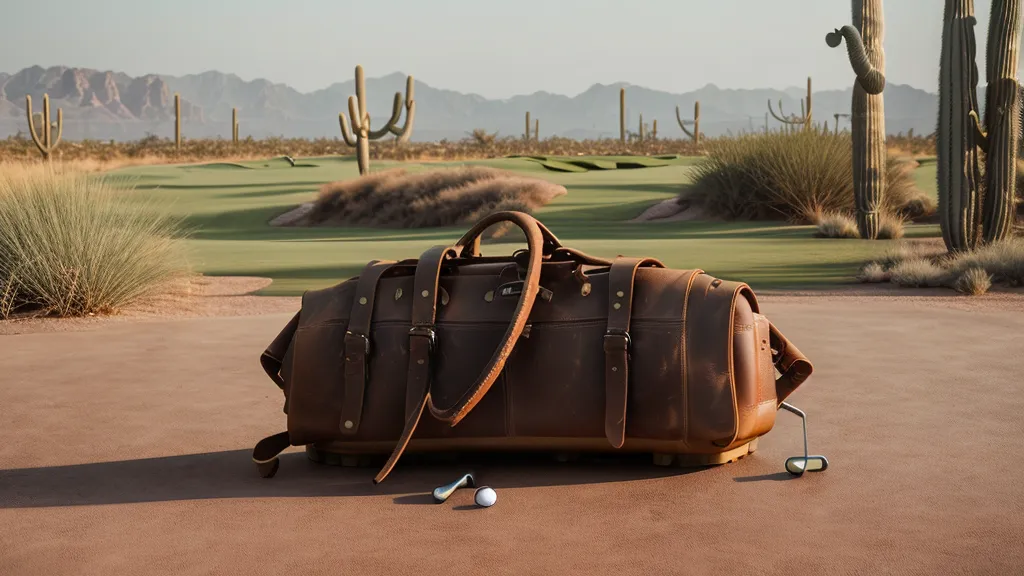
None of this fixes a bad round by itself. What it fixes is the guessing. A ball I can actually track through the whole flight, even squinting straight into the sun on a back-nine approach, means I finish the swing instead of bailing out of it halfway through. That's the one thing worth carrying out of five weeks of yellow: pick gear that removes a specific problem you can name, not gear that just looks better in the cart. My scorecard reads better for it, and so does my patience by the back nine.