The greasy, slipping feeling on your driver grip by the back nine at Las Sendas Golf Club often has nothing to do with how much you are sweating. Most golfers around Scottsdale and Mesa blame their hands first, then blame the grip itself, and eventually go shopping for a whole new set. Grip maintenance advice written for humid climates does not hold up out here, and equipment care habits that work fine somewhere green and wet just speed up whatever is actually going wrong with desert golf gear.
Is Your Grip Actually Worn Out, or Just Glazed?
The truth is your grip is probably not worn out at all. What has happened is a surface glaze: sun, sunscreen residue, and the wrong cleaning routine harden a shiny, closed-off shell over rubber that is still perfectly good underneath. Wash that shell more and it wins. Scuff it and reset the surface, and the tack comes back close to new.
I play to about a 12 most seasons, and the driver is the one club where a slipping grip costs me the most strokes, because a mis-hit off the tee at Las Sendas usually means a scramble out of desert scrub rather than a clean recovery from rough. Humidity in the Phoenix valley drops into the single digits for most of the summer, and that extreme dryness does something specific to synthetic rubber: it oxidizes and hardens faster than it would in a wetter climate, no matter how new the grip actually is.
Gloves do not fix this, and one pair taught me that directly. A run of cabretta leather gloves, the softest and grippiest I could find, were soaked through before the turn on every July round at Las Sendas, and a wet glove transfers as much oil and salt onto a grip as bare skin does. A glove that is already breaking down deposits its own residue onto the rubber underneath, which speeds up the same glazing problem from a different direction entirely.
Sunscreen, Sweat, and the Chemistry Nobody Warns You About
Sunscreen is the variable nobody accounts for. It works as a solvent against a grip's tackifying agents, breaking the compound down just enough that a hard, glassy layer forms over repeated exposure. Combine that with ultraviolet light and low humidity and you get a grip that looks fine from three feet away but feels like it is coated in something between wax and Teflon under your palm.
Reading up on synthetic rubber and cord construction changed how I thought about the whole problem. Rubber does not fail the way a shoelace frays; it fails by oxidizing at the surface while the material underneath stays intact. That distinction matters, because it means the fix is mechanical, not chemical. You are not trying to clean deeper into the rubber. You are trying to remove a top layer that should not be there in the first place.
The proof of that shows up on a first-cut lie at Las Sendas, sun flat enough that a ball's cover practically glows from eighty yards out. My hands stay still through the entire swing on days like that now, no adjusting grip pressure at the top, no small re-set at address out of habit. The club holds its line, plain as that ball sitting bright against the rough.
The Sandpaper Fix: Resurfacing Instead of Washing
Dish soap looks like the obvious answer to a dirty grip, and it is exactly backwards for this problem. Most dish soaps rely on surfactants built to cling to a surface until they break down grease, and unless you rinse with real force, a microscopic film stays behind. In dry heat, that film dries out and attracts more dust and fine desert sand than a bare grip would, and it strips out whatever natural give the rubber has left, the same way a harsh detergent ruins an old leather wallet.
Resurfacing happens in the garage workshop at the house, not at the course. One wall holds a pegboard with grips sorted by diameter, thinnest on one end working up to jumbo on the other, and next to it a running tally climbs up the cinder block in black paint marker, tracking rounds played on whatever is currently in testing. The actual sandpaper work happens on a rolling steel cart that also holds the bag and shoes I have in rotation that month, and by early afternoon a west-facing window throws flat, bleaching light straight across that cart, which turns out to be the best possible light for spotting a grey glaze on a grip you would otherwise swear looked fine.
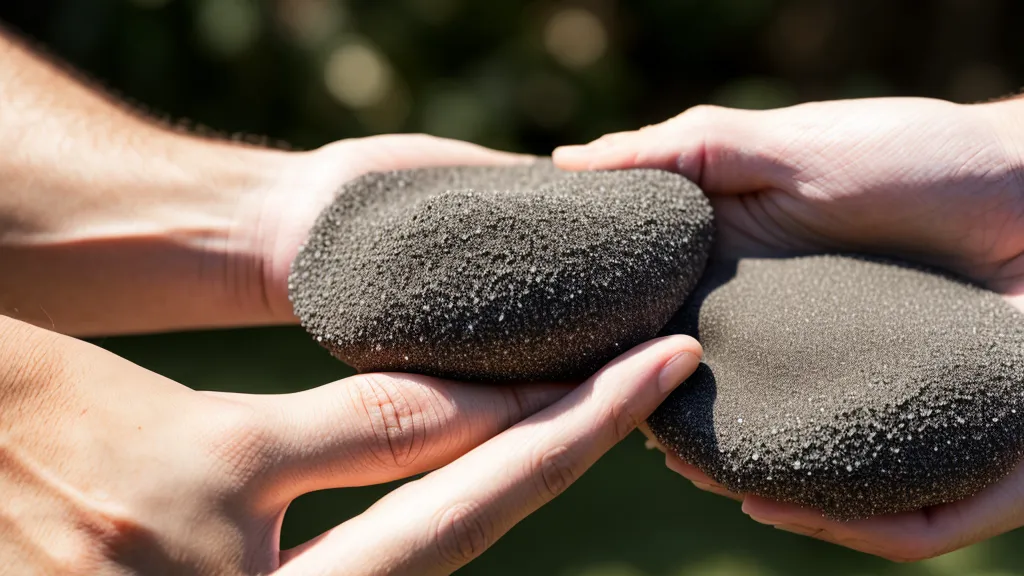
A small square of fine-grit sandpaper, somewhere around 220 to 400 grit, does more for a grip than a full bottle of soap ever did. One light, even pass across the surface is enough; you are not trying to sand down toward the core, only to knock off the oxidized layer sitting on top of it. The dull grey sheen disappears and the dark, matte look of fresh rubber shows up underneath, tacky again almost immediately.
Dust off the scrape areas on desert courses works against grip tack in exactly the same way sunscreen does. Testing the Most Durable Golf Balls for Desert Courses with Hard Scrape Areas put me in those transition zones on a regular basis, and the same fine grit that chews up a ball cover ends up ground into a grip's texture by the back nine. That is one more reason a monthly scuff matters more out here than it would somewhere with actual topsoil.
Building a Grip Maintenance Routine for Dry Heat
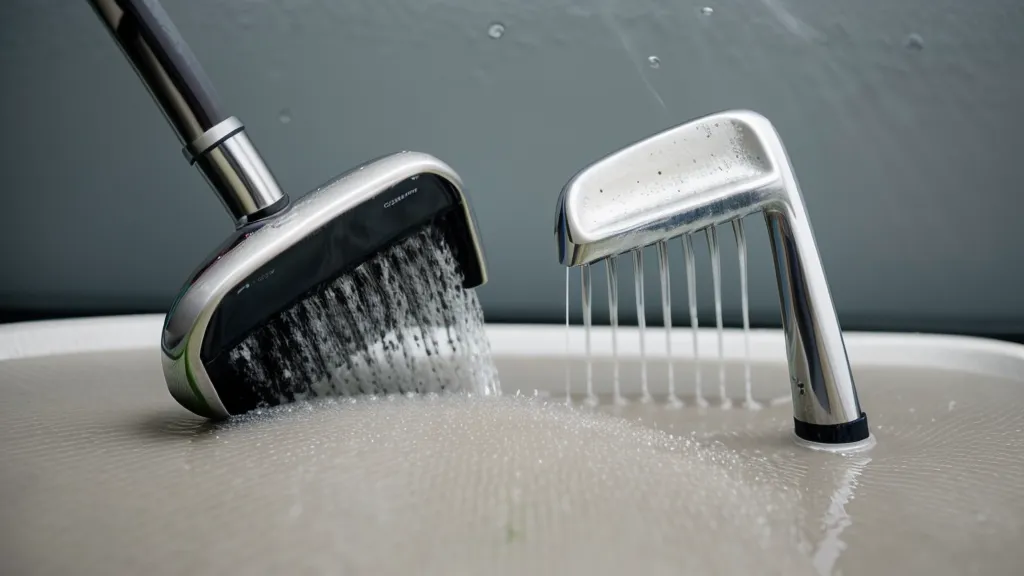
Lukewarm water and a damp microfiber cloth after every round handle most of the buildup without leaving any chemical residue behind. A nylon brush with water only comes out when the grips are genuinely filthy, mainly to knock loose the salt crystals sweat leaves behind. Fine sandpaper gets a light pass once a month through peak summer, which is the only real countermeasure against UV-driven oxidation when a bag sits in a cart in triple-digit heat. Sunscreen management matters just as much as any of that: washing hands before touching a club, and wearing the Best Sun Sleeves for Golfers Playing in the Desert Heat to cut down on how much lotion ends up on skin that then ends up on a grip.
Skip Dabrowski, who I play with most weekends now, moves through his entire pre-shot routine faster than anyone else in the group regardless of how the round is going, and he has needled me more than once for wiping down a grip between holes instead of just hitting the shot. He is usually thirty yards down the fairway before I have the cloth back in the bag.
Soap Is Not Neutral
It is worth saying plainly: stop scrubbing grips with dish soap. The surfactants left behind attract dirt and dry out rubber faster than plain water and a microfiber cloth ever would, even though soap feels like the responsible choice. In a high-heat, high-dust environment, soap works against you instead of for you. I have watched guys at the clubhouse go straight for window cleaner or bleach, and both turn a perfectly good grip into hard plastic inside a season.
What Changes Once You Stop Fighting the Club
None of this stays isolated to grips, either. Kenny Prater, an occasional Saturday playing partner, is constantly swapping in different low-compression balls depending on the week's heat, chasing whichever one still matches his swing speed once the air feels like an oven. Watching him do that made the same logic click for grips, since heat changes what a piece of gear needs from a golfer long before the golfer notices anything is wrong.
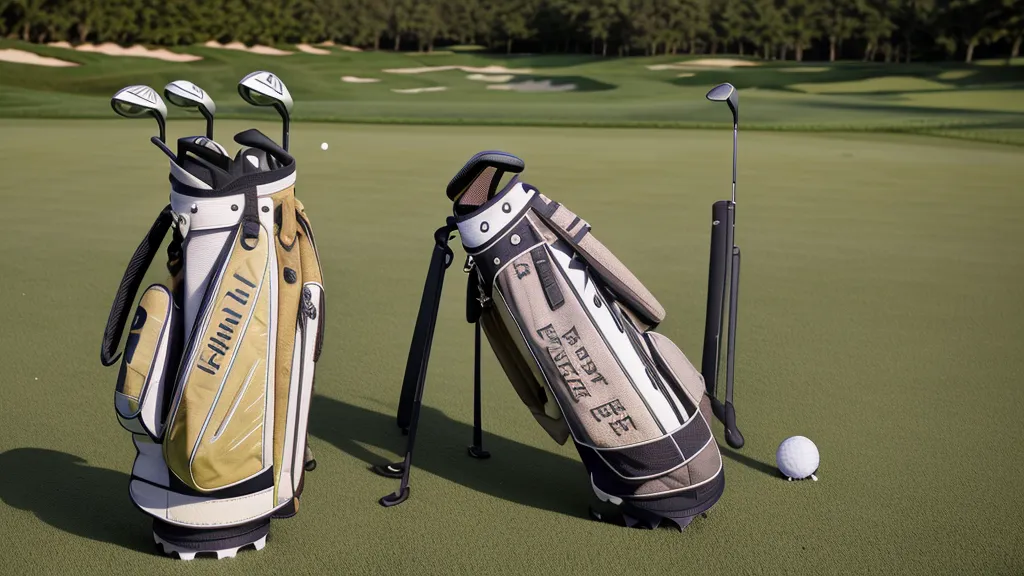
Heat finds the weak point in everything else in the bag, too. A push cart that tracks straight on a flat path can start to wander once its frame has baked in a trunk all afternoon. An oversized putter grip meant to quiet your hands turns greasy under a sweaty palm the same as anything else you are holding. A stand bag that felt light in the pro shop tells a very different story by the back nine on a walking day; spikeless soles that hold fine on turf go glassy the moment you step onto hardpan waste sand. A mallet head forgives a jumpy stroke in a way a blade never will once your hands stop being steady. The mallet currently in my testing rotation even has a stray chip of rock trapped somewhere inside the head; give it a light shake at address in a quiet garage and there is a faint tick against the palm you would never notice on a windy fairway.
Trust in the connection matters most with a longer swing. Testing the Best Irons for Golfers Transitioning Away from Hard to Hit Blades showed that clearly: a tacky grip let me commit fully to the transition move at the top instead of bracing against a club face that might twist. The rule that actually holds up across six years of rotating through more gear than I can count is simple. If a grip feels slick, do not reach for soap first. Check whether it is actually worn, or just glazed, and reach for sandpaper before you reach for a new set.