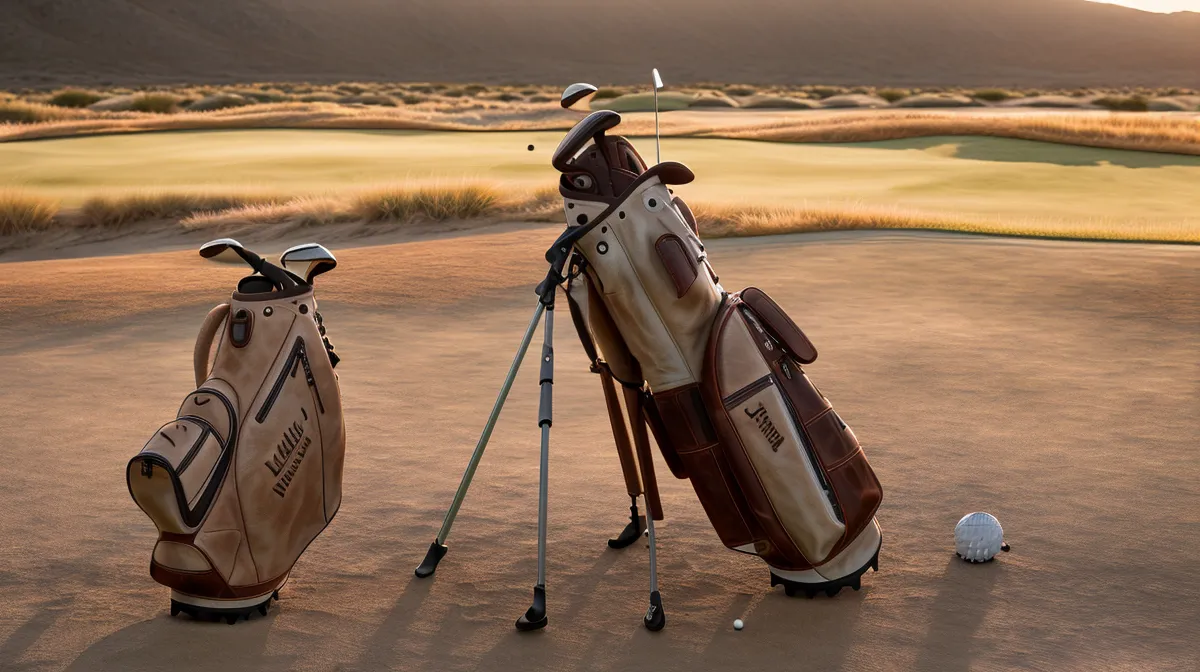
Forty-five percent greens in regulation with a cavity-back iron in the bag; thirty percent with the blade that came before it. That fifteen-point swing is the reason I stopped defending my old set and started paying attention to what actually holds up on a public course. I play out of the Scottsdale valley, and most of this comparison got settled on the fairways at Wigwam Golf Club out in Litchfield Park, where a flat, forgiving lie is the exception rather than the rule.
A quick disclosure before any of that: some of the links below are commission links, and buying gear through one sends a small percentage my way at no extra cost to you. I only write up equipment I have actually rotated through myself; no loaner sets, no sponsored trips. If your shoulders and your scorecard are both tired of blades, the latest Titleist T-Series irons are where I would point you first.
Blades Looked Great in the Bag; the Scorecard Told a Different Story
Blades photograph beautifully. Chrome finish, thin topline, the kind of iron a low single-digit player shows off on the first tee. Carrying a 14 handicap and playing public tracks around the valley most weeks, I never actually needed a photogenic iron; I needed one that survived a mis-hit off a downslope lie or a divot left by the group ahead. A thin shot with a blade does not just miss the green, it stings straight through the grip and up the forearm, and enough of those afternoons will make anyone stop caring how a set looks sitting in the bag.
Comparing Titleist's Blades and Cavity-Backs at Wigwam Golf Club
Before any of this iron testing meant anything, I hauled a heavy cart bag that left my shoulders aching by about the 12th hole on any day I walked instead of rode. To make the iron comparison honest anyway, I pushed it to 36 holes in a single day with an Alphard Golf Club Booster V2Pro doing the pushing; a friend who splits his mornings between doubles pickleball at Scottsdale Ranch Park and a round with me noticed the shoulder difference before I ever brought it up.
Here is the mechanical piece worth explaining properly instead of skimming past. A cavity-back iron pulls mass away from the center of the face and pushes it toward the perimeter and low in the head. That does two things on a mis-hit: it keeps the face from twisting as much when contact happens off the toe or heel, and it lowers the center of gravity enough that even a thin strike still gets airborne instead of skittering along the turf. A blade puts that same mass directly behind the sweet spot, rewarding a pure strike with more feedback and control while punishing almost everything else. Blades ask for precision on every swing; cavity-backs give you a cushion when the precision is not there that day. The golf club engineering behind that idea has existed for decades, but Titleist applies it differently across the T150 and T200. The T150 keeps a compact profile through the short irons while adding forgiveness in the 4 through 6, and building a blended set that way gets you shape control where you can actually use it and a safety net where you need it most.
Does a Wider Sole Cost You Any Shot-Shaping?
Some, yes. The wider sole that keeps a fat shot from digging a trench also makes it harder to work the ball hard in either direction; you are trading a bit of manipulation for a lot of consistency. Players who need to shape a low hook around trouble on a tight driving hole will feel the blade's thinner sole give them more of that control. Most weekend golfers do not need that shot often enough to justify what it costs everywhere else on the scorecard; a smaller, repeatable miss beats a hero shot that only comes off once in three tries.
Iron forgiveness only shows up on the card if the ball cooperates too. Compression matching your swing speed is its own subject, worth a full comparison rather than a paragraph tacked onto irons, but it is real enough that a ball built for a faster swing than yours will feel dead off a moderate strike. Cover durability off the hardpan and cart paths around the valley varies a lot by construction and is worth checking before committing to a dozen. Somewhere in that search I started running Vice Golf Pro Plus balls against the Pro V1 I had played for years; the Vice cover shows a scuff mark a little sooner off a cart-path scrape, but the spin numbers held up consistently enough through the bag that it never cost me anything around the green.
Walking 36 Holes Without Fighting Your Gear
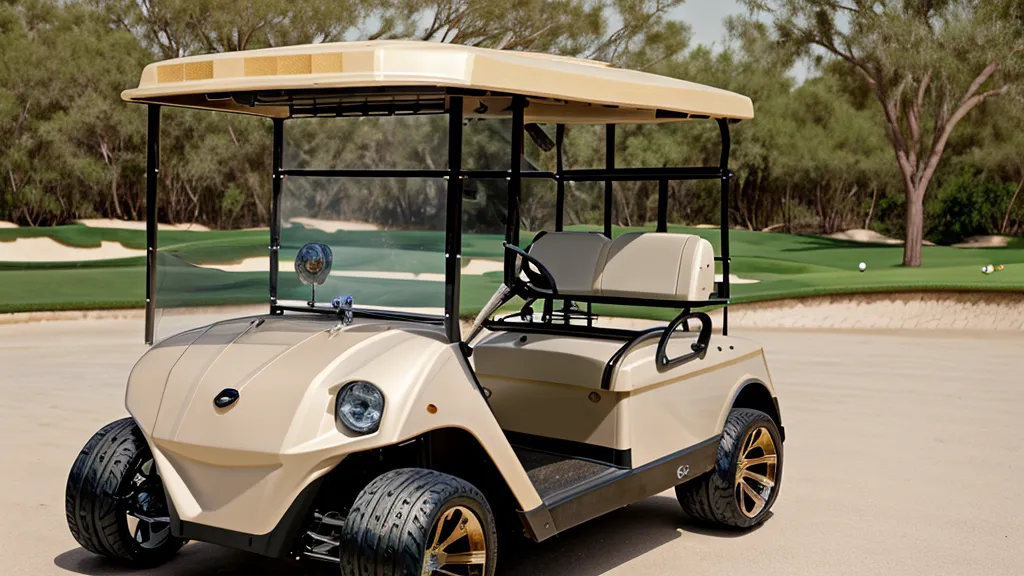
None of the iron talk matters if you cannot finish the round still walking upright. The Alphard Golf Club Booster V2Pro is what actually solved the cart-bag problem mentioned above; it converts a manual push cart into something closer to a remote-control caddy, the conversion took under thirty minutes on my own cart, and the battery has carried a full 36 holes on a single charge without me babying it. Steering matters as much as bag weight on a downhill cart path, and both are subjects that deserve their own deep dive rather than a single paragraph here about irons.
Feet and hands need the same attention once you are walking instead of riding. Early tee times mean dew is still sitting heavy on the fairway, and that damp chill works straight through a mesh upper before the sun has fully cleared the horizon, sock wet by the third hole more mornings than I would like to admit. Traction on hardpan waste areas is a different question from wet-morning grip and deserves separate testing rather than a verdict squeezed in here. What earned a permanent spot in my bag was a pair of FootJoy shoes; the flagship line carries a two-year waterproof warranty, which matters on those dew-heavy rounds, and the fit held up across a full stretch of rounds without the sole breaking down the way a cheaper pair had. Glove longevity in the heat is its own review waiting to be written, but I noticed it firsthand stripping the glove off at the scoring table after a full eighteen holes in August and finding my palm had not sweated through it at all, which said more about that glove than any spec sheet could. Anyone who walks regularly should look at my notes on the best spikeless golf shoes for walking 36 holes in heat for the deeper version of that comparison.
The Putter Has to Keep Up With More Greens in Regulation
Hitting more greens only matters if you can convert the looks into pars, which pushed me to look hard at the putter too. Grip pressure and thickness change how much a bad read shows up at impact, another topic worth its own full comparison rather than a tangent here. What changed my rotation for good was a SWAG Golf Putter, milled from 303 stainless steel with enough heft that a mis-hit off the toe or heel does not wander nearly as far offline as it would with a lighter head. Head shape matters just as much as the iron conversation above it; anyone who struggles to repeat a stroke should read the piece I wrote on the mallet vs blade putter debate for amateurs, which covers which head design forgives that inconsistency best.
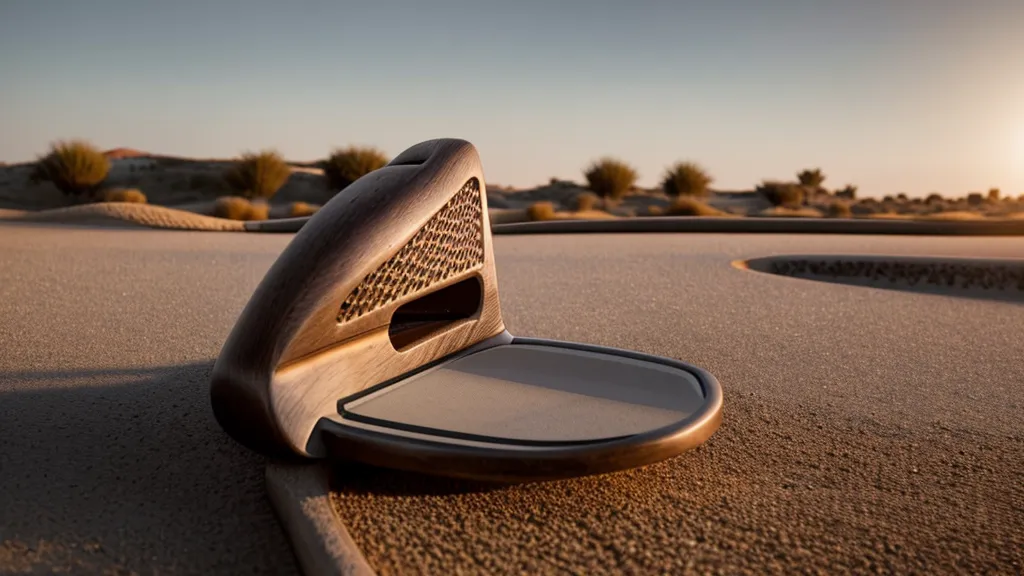
Add it up and the real choice has nothing to do with which iron looks better at address. Pick a blade if you can find the center of the face on demand and you play courses that reward shaping the ball around trouble; pick a cavity-back, players-distance build if you are logging 50-plus rounds a year on public tracks where the lie is rarely perfect and your knees would rather not absorb another mis-hit. Between the T200's forgiveness on the long approach shots and an electric push cart handling the walking, eighteen holes at Wigwam stopped feeling like a test of willpower. Anyone whose shoulders and handicap are telling them the same thing mine were should give the Titleist T-Series irons a proper fitting appointment before writing off forgiveness as something only high-handicappers need.
The long end of the bag deserves the same scrutiny. A stubborn 4-iron is usually the last blade a golfer retires, and it is often the first club that should go; anyone with that same gap in the set should check my notes on the best hybrid golf clubs for what replaced mine. Golf is a game decided by misses, and the round belongs to whoever's misses cost the least.