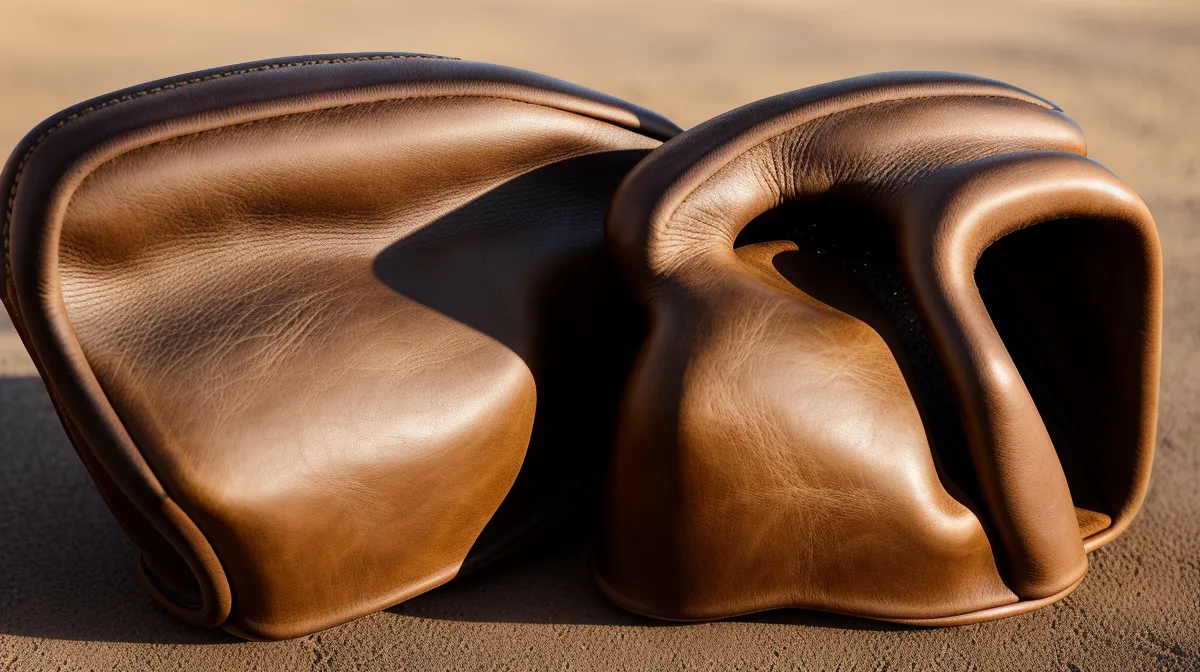
Cart path concrete at Papago Golf Course holds enough afternoon heat that a headcover left against it warms clean through in minutes. That fact came up the hard way after a custom milled putter slipped straight out of a bargain sock cover and hit the pavement with a flat, sickening clink — the sound of 303 stainless steel meeting concrete, roughly the golf equivalent of scraping a fender against a curb. That's exactly why any real premium putter headcover comparison should start with a failure story instead of a spec sheet.
Quick disclosure before the comparison: a few links below send commerce this way if you buy through them, at no added cost to you. Every cover in this golf equipment review got tested on real rounds in valley heat, not pulled from a press kit or a sponsored loaner box. Full details live in the Editorial Policy.
Putter Protection: Foam-and-Velcro vs. Magnetic Closures
As a broker, reading fine print is the job, yet for years a putter that wasn't cheap got protected by a scrap of foam and some tired velcro that wouldn't have held a paperclip. A notebook of rounds across the Phoenix valley started after that pavement incident, tracking which covers actually held up and which just looked the part. Golfers obsess over whether to play a Titleist Pro V1 or a Vice Golf Pro Plus based on compression matched to swing speed, chasing a few extra yards of roll, but almost nobody thinks about the piece of gear guarding the club they touch on every single hole.
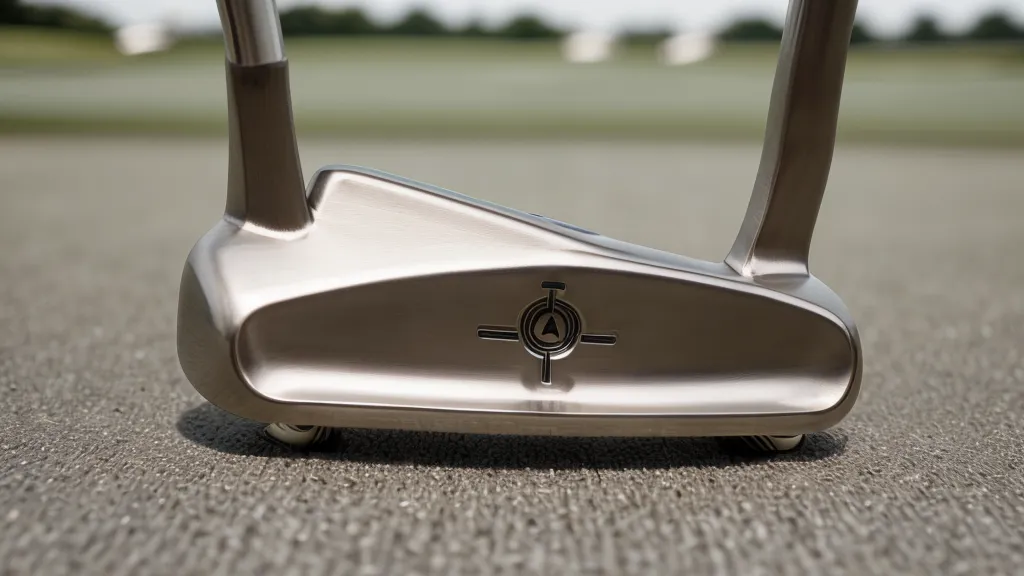
Bag chatter is the real enemy: irons and wedges knock against the putter head every time you walk or ride, and a loose cover means metal-on-metal contact hole after hole. Failure taught that lesson the sweaty way too, with a no-name oversized grip that felt perfectly tacky in the pro shop and then turned slick mid-downstroke on a humid back nine, nearly costing a four-footer for par. Pulling that grip for good left a sharp solvent sting in the air that stuck around longer than the memory of the putt. Grip pressure and headcover protection sit in different categories of gear entirely, but both taught the same lesson: shelf-feel lies, and only real rounds tell the truth.
Why Desert Sand Kills Standard Velcro
Desert sand gets into everything through a Phoenix valley summer, and it works on velcro like sandpaper on a fender. After a season of regular play, most standard covers lose real grip strength because the hook fibers pack with grit and stop catching. The same fine grit plays havoc with a push cart's wheel bearings too, working in until a cart that rolled true in spring starts drifting sideways by late summer. Neodymium magnets sidestep the whole problem, and SWAG Golf Putter covers were the first to prove it, going into the rotation during a run of frost-delay mornings and holding tight through every round since.
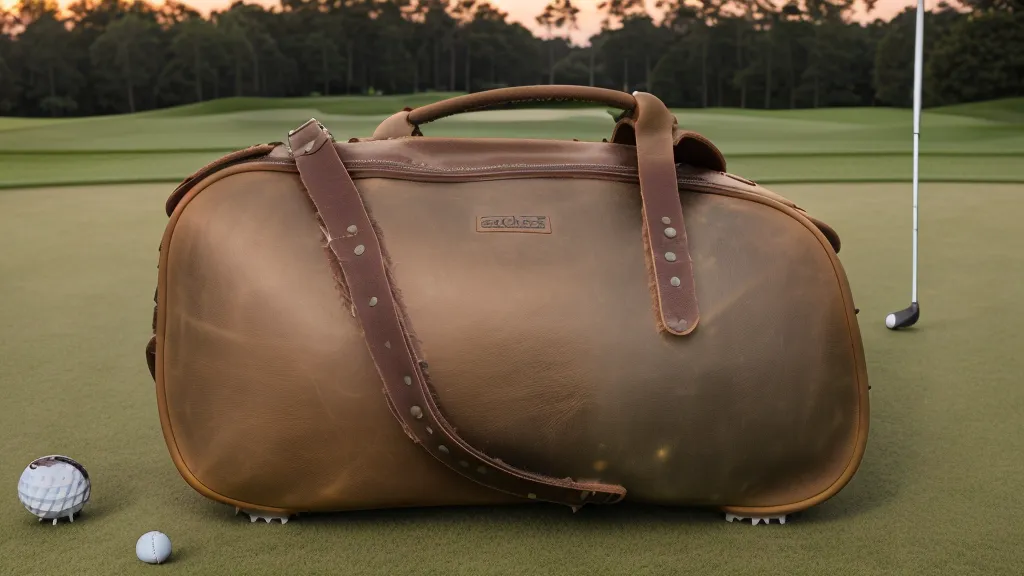
Around that same run, FootJoy Premier Series shoes were holding up fine under their own two-year warranty while the old velcro covers on the same bag kept falling off mid-round. Closure mechanism matters as much as material quality; that much became obvious fast. A magnetic cover stays seated even lashed to a cart getting jostled over rough terrain, which mattered running an Alphard Golf Club Booster V2Pro over thirty-some rounds. Keeping a glove alive through a Phoenix July is its own separate fight, but the pattern holds across every category of gear: the closure fails before the core material ever does.
Does the Fur Lining Actually Matter?
It sounds like marketing filler until it's actually felt, but lining density is what kills the wince factor. Every golfer knows the feeling: standing over a putt while a playing partner leans a heavy wedge against the bag right where the putter head sits. A standard OEM cover transmits that contact straight through to the metal. The industrial-grade fur in Swag's limited drops absorbs it instead, a real cushion rather than a thin layer of felt. Anyone who has moved to milled putters for better feel already knows protecting the face milling isn't optional; it's the one part of the setup that can't be re-ground once it's dinged.
What Happens When a Cover Meets a Baggage Handler?
The real test for a premium cover isn't the course; it's a soft-sided travel bag getting thrown around a baggage cart. Standard covers slip off easily when the bag gets upended, leaving a custom flatstick free to rub against a 5-iron for hours in transit. This is the blind spot most reviews skip entirely: a cover needs a deep throat and a locking magnetic snap to survive that kind of handling, not just a good-looking logo.
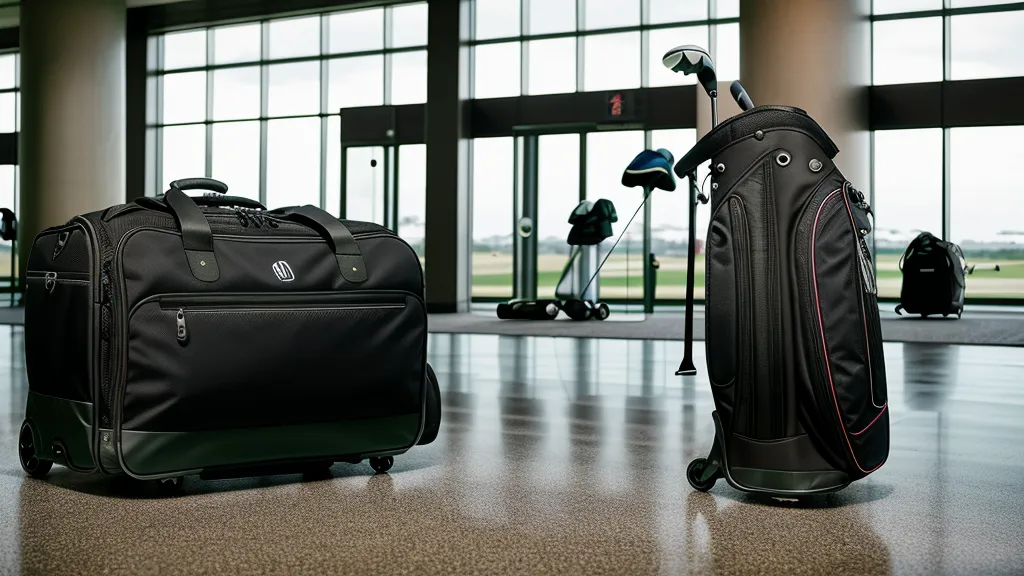
Larger mallet-style covers give the best wraparound protection for travel, which works out fine since a mallet head is what most players fighting inconsistent strokes end up gaming anyway; a forgiving mallet shape and a bigger cover tend to travel together once you account for how much face there is to protect. Even committed blade players benefit from sizing up the cover just for flights. The custom DGAP build through Swag alone runs a wait of ninety days, and it would be a rough way to start a putter's life getting the top line dinged before it ever reaches a green.
Fifty Rounds Later: What Held Up
By the tail end of testing, one Swag cover had absorbed something like fifty rounds without complaint. Arizona sun is brutal on synthetic leather, the kind of UV that cracks a cheap wallet left on a dashboard within a season. The higher-end skins on premium boutique covers held their color instead of chalking out, and the magnets never lost pull strength. No soft spots, no rattling fit, nothing but the kind of wear that looks earned rather than cheap.
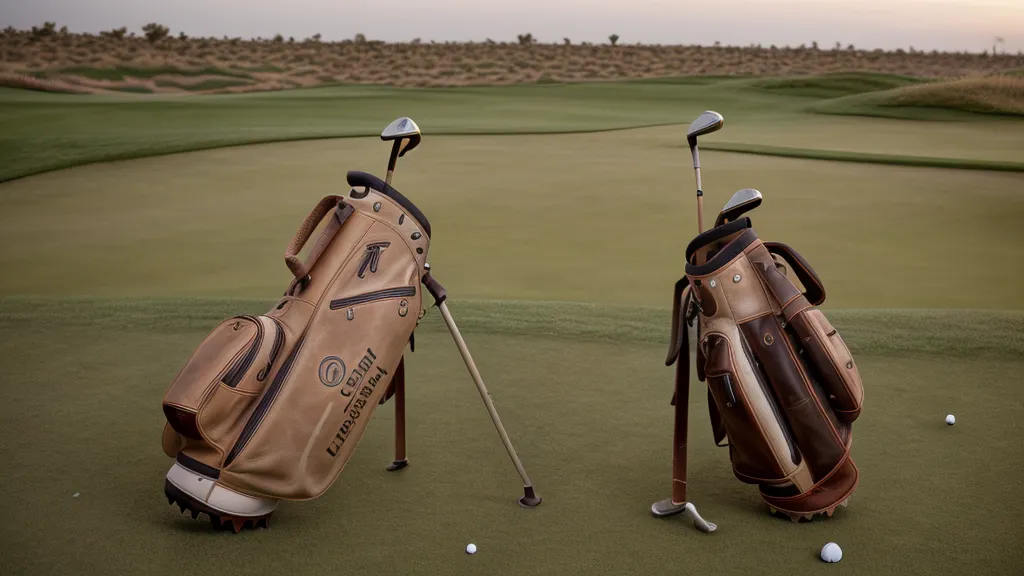
There was a moment in the clubhouse wondering whether a headcover with an aggressive skull graphic read as too much for a middle-aged broker showing up to a Saturday foursome. Turns out nobody cared about the graphic. They cared that the putter looked untouched while theirs had picked up dings from a few seasons of bad covers. Quality reads the same in a cart barn as it does in a signed contract.
Choosing Between Mallet Wrap and Blade Slim
Protecting a custom putter comes down to two decisions once the bargain-bin sock gets retired, and both trace back to how the club actually gets played. Choose the magnetic mallet wrap when the putter travels in a cart bag getting bounced over rough terrain or flies more than once or twice a season; the deep throat and locking snap earn their keep exactly when a cover is most likely to slip. Choose a slimmer magnetic blade cover when the club lives in a lightweight carry bag, since every extra ounce of fur and buckle shows up on the back nine of a walking round, and bag weight adds up fast when there's no cart doing the carrying.
A friend of mine competes in USTA league tennis over at Chaparral Park, and he says the exact same thing happens to racket bags. The zipper fails long before the strings do, and nobody thinks about it until the racket is rattling around loose. Golf gear works the same way. Money already spent on best irons for transitioning away from blades for extra forgiveness off the tee, or on matching ball compression for your swing speed, gets wasted the moment the last three inches of the bag becomes the weak link. Cart-path scuffing chews through a soft cover in a single bad bounce the same way it chews through a ball's cover over a hard desert round, and a headcover failing costs the club itself, not just a cosmetic mark.
Traction gets the same blind-spot treatment nobody talks about. Feet held steady through impact on the 14th at Papago last round, no slip on a lie that usually skates downhill, and that's a shoe doing its job quietly the same way a good cover does. Putts-per-round sit in the low thirties on a good round, and gear staying exactly where it should is one less thing to think about standing over a six-footer for par. For anyone playing a high-end milled stick, the SWAG Golf Putter covers earn the recommendation without reservation. They survived real desert dust, the magnets never went soft, and they bought back the mental space to focus on lag putting instead of worrying about cart-path clink.