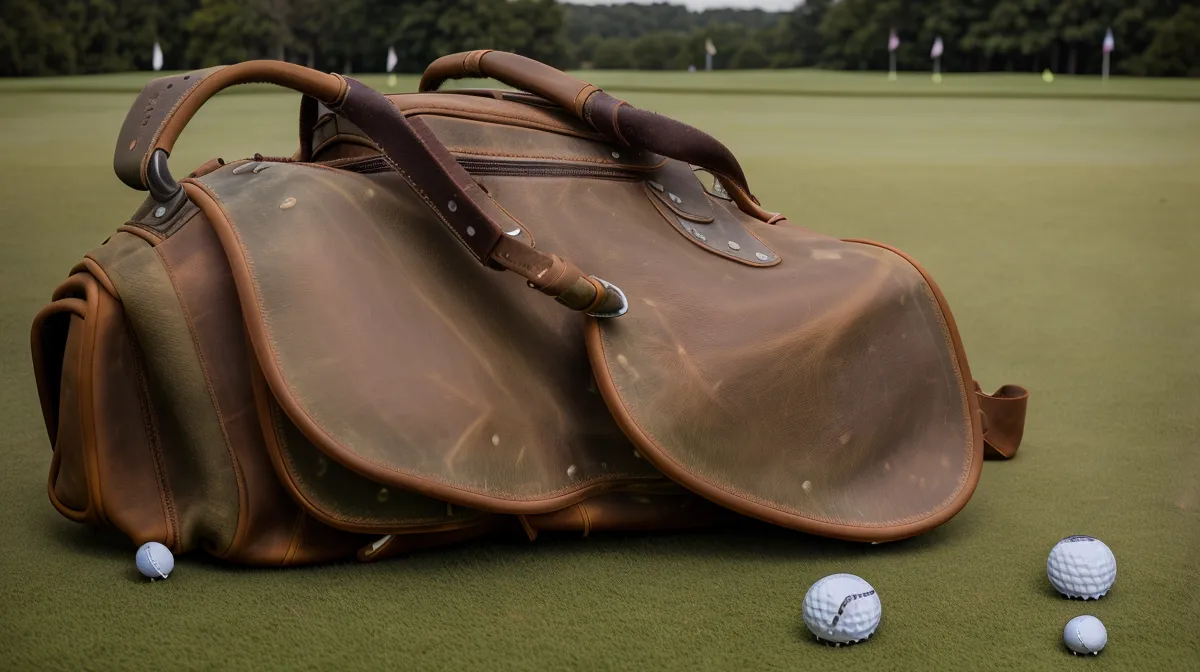
How many dozens of Titleist Pro V1x have you burned through chasing a swing speed that isn't actually yours? I did exactly that for two winters before I bothered running the numbers on my own game. Out at Raven Golf Club at South Mountain, the back nine drops hard toward the wash below fifteen, and I've three-putted that stretch more times than my notebook likes to admit, usually right after switching back to a ball built for a swing fifteen miles an hour faster than mine. Real golf ball testing only means something once you know your actual average swing speed, and mine, same as most guys in their forties grinding through rounds around Scottsdale, sits nowhere near tour numbers.
A 2020 knee injury ended any running I used to do, and six years of obsessive gear testing since then have me tracking every round the way I once tracked lease comps. The average male amateur driver swing speed lands around 93 miles per hour, and I sit right in that range myself. For years I just grabbed whichever Titleist sleeve was closest to the register without checking that number against anything real. This past winter I finally stopped guessing and set out to see which model actually fits a swing that has no business being compared to a tour staff bag.
What Does a 93 MPH Swing Speed Actually Change About Ball Choice?
There's a specific kind of ego wrapped up in buying premium balls; we want what the pros play because we think we can rent their results for the price of one dozen. It's the golf equivalent of buying a heavy-duty pickup to haul two bags of mulch across town; the truck is overkill, and it actually makes the short trip worse. A 93 mph swing needs a ball that stays in the air without spinning itself into trouble. The deeper mechanics of matching compression to swing speed are a rabbit hole I've already written about elsewhere; here I just want to walk through what actually changed on my own scorecard.
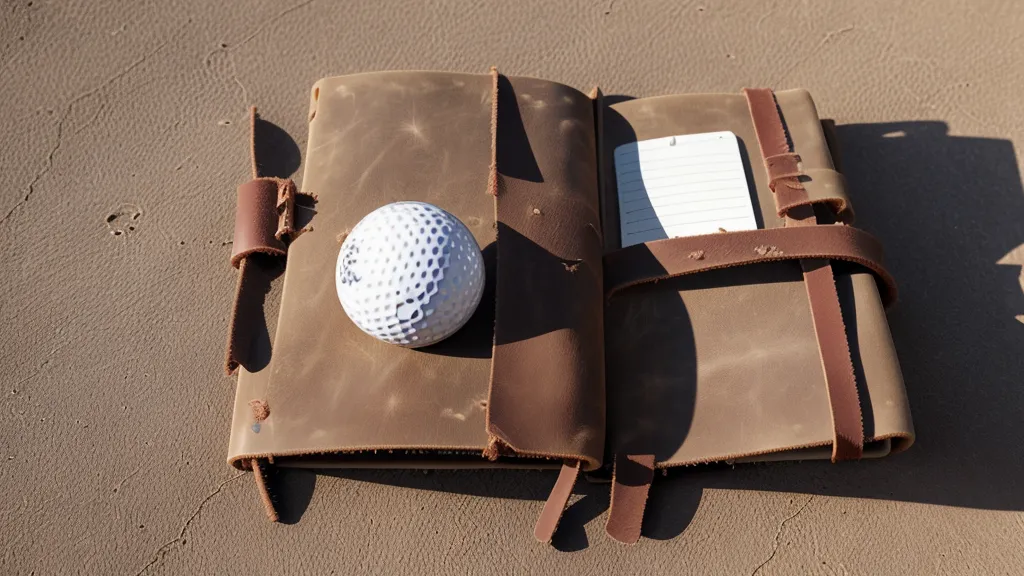
Titleist Pro V1 vs. Pro V1x: The Numbers From My Notebook
The Pro V1 is a three-piece ball with a 388-dimple pattern; the Pro V1x runs a dual-core four-piece build with 348 dimples. Those specs mean little until you watch them move through dry desert air. The V1 flies lower and feels softer off the face; the V1x climbs higher and spins more, which sounds great until your swing can't consistently load that core. Urethane covers on both balls are the standard for greenside spin, and I've broken down how compression actually pairs with swing speed in a separate piece on how to choose the right golf ball compression for your swing speed if you want the full mechanics. What matters here is what showed up on my card: the V1x felt like hitting a marble with a hammer, and by the back nine, once fatigue set into my hands, the standard V1 stayed the steadier ball.
Consistency Beat Status By Week Eight
By week eight of the rotation, my notebook left little room for debate: the standard Pro V1 controlled distance more consistently, round to round, than the X ever did. In the thin desert air at Raven, too much spin turns into a forty-yard slice that ends up in a saguaro instead of the fairway. My buddy Lonnie Gruber, who picked up the game a couple years back and texts me before nearly every purchase, wanted a sleeve of Pro V1x because that's what he'd seen on television; he'll blame his irons for a bad round before he ever looks at his own tempo, and I told him the ball wasn't going to fix that. I ran the Vice Golf Pro line as a benchmark against the Titleist during that stretch, and while it holds up fine on price, the cover on the Pro V1 still wins after a few passes across the gravel and hard-pack scrape sections at Raven; I go deeper on that in my notes on the most durable golf balls for desert courses.
Walking Raven Without Punishing the Knee
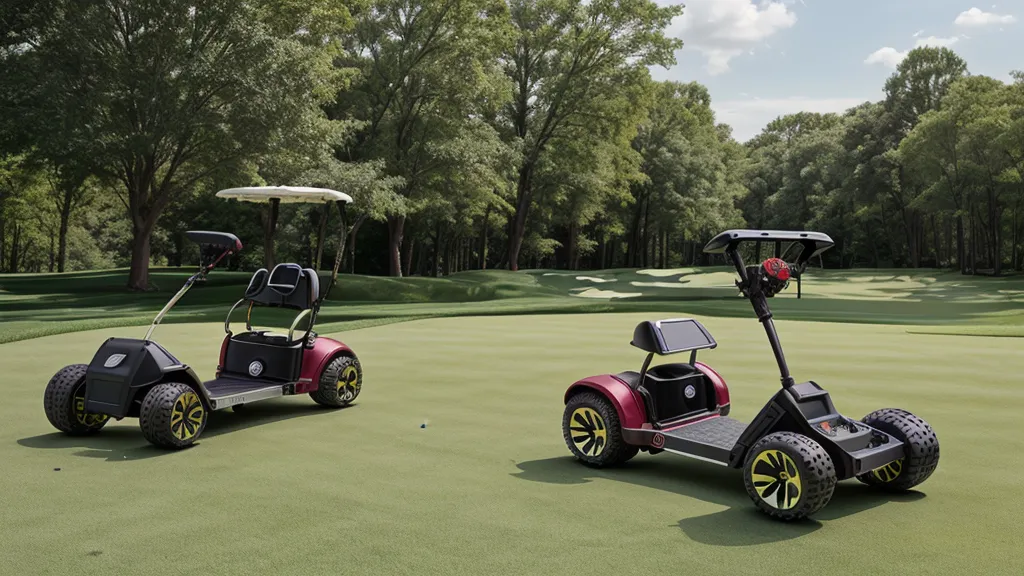
Playing three rounds a week on a bad knee means the walking setup matters almost as much as the ball in the bag. Before I fixed that, I'd been walking Raven with an ultralight stand bag whose legs folded flat every time I set it on a sloped Bermuda fairway; I lost count of how many times I chased it rolling toward a bunker instead of reading my next putt. Weight and stability on hilly ground turned out to matter more than I'd given either credit for, so I picked up the Alphard Golf Club Booster V2Pro to turn a regular push cart into something that tracks itself downhill. The brake lever gave one hard metallic snap as I locked it on the path below fifteen one afternoon, and for the first time all winter the front wheel held its line the whole way down instead of drifting toward the rough. It runs 36 holes on a single charge, which is the only reason I can still walk the back nine at a hilly course like Raven without my knee filing a complaint by the seventeenth.
The Putter Question From Gord Szabo
A reader named Gord Szabo, a construction supervisor out in Chandler, sent me a long email about grip thickness and the ache arthritis puts in his hands by the back nine; the kind of detailed question that turns into an ongoing thread. That conversation is part of why I finally swapped my mass-produced mallet for a SWAG Golf Putter, milled from 303 stainless steel, where the feedback through the grip tells me exactly where I caught it on the face. Grip diameter changes how firmly you have to hold on, and getting that pressure right matters more than most players think; I go deeper on that fitting question in my piece on best milled putters for amateurs. Gord liked the answer enough that he now forwards it to four other guys in his weekend group before anyone in that foursome buys new gear.
The Cover Still Held After Fifty Rounds
One round in May, I finished with the same ball I teed off with, which almost never happens on a course scraped by as much rock and cart path as Raven. The Pro V1 cover looked weathered by the end, close to a pair of broken-in FootJoy shoes, but it never actually failed. My notebook logged fourteen putts on the back nine and a drive distance that held inside a five-yard window the entire round; no ballooning, no stalled shots hanging in the crosswind off the wash.
The lesson took longer than it should have: don't buy the ball the marketing department calls best, buy the one that matches the swing speed you actually carry to the course. For me at 93 mph, that's the standard Pro V1, not the X, and it isn't close. If your own number sits anywhere near mine, grab a sleeve of the standard model before another season of guessing goes by; the scorecard will make the case better than I can.