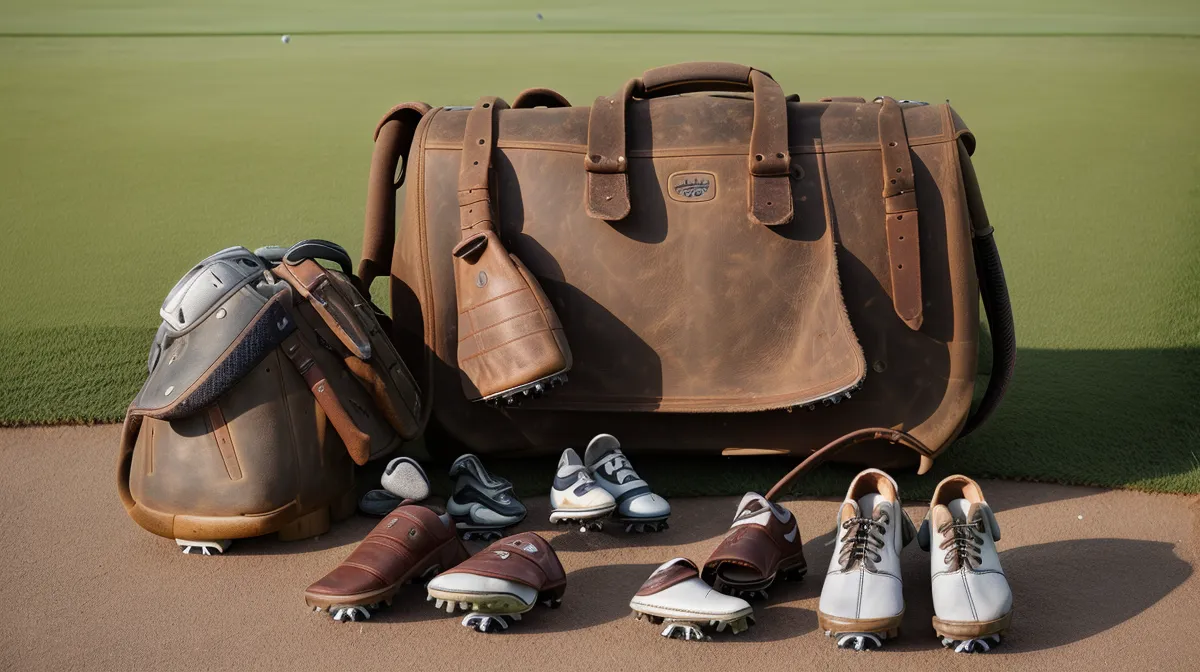
Ninety-four degrees on the back nine at Coronado, right around my seventy-first shot of the day. My reconstructed right knee was holding up fine, but my forefoot felt like it had been clamped in a bench vise. I found myself sitting on the bench at the fourteenth tee, unlacing my stiff tour shoes just to let my toes splay out before hitting another drive.
Before diving into the shoe leather, here is the honest business side: some links on this page send commerce my way. When a reader buys golf gear through one, I earn a commission at no extra cost to you. The picks here come straight out of gear I personally rotated through over dozens of genuine rounds in the Phoenix valley, never from press mailers or loaner programs. Full notes live over in the Editorial Policy.
If you walk your rounds, your feet take a beating that cart riders simply never experience. Men's golf shoes traditionally use a standard D width, which works fine if your feet look like narrow dress loafers. But when you are tracking five miles over baked desert fairways, cramming your foot into a pinched European silhouette is pure misery. After that brutal afternoon at Coronado, I went home, cracked open my round notebook, and realized I needed to rethink footwear entirely. If you want a comfortable walking setup, you can check out current options from FootJoy, but here is what thirty-plus rounds on hard grass actually taught me about wide toe boxes.
The Scottsdale Reality Check: When Tour Styling Fails Your Feet
Back when I ruined my knee in 2020, running went out the window. Walking the golf course became my replacement therapy, my way to log miles without pounding asphalt. What nobody tells you when you start walking three rounds a week is that your feet change shape over time. Ligaments relax; metatarsals spread under sustained load. A typical 18-hole walking round averages between 10,000 and 14,000 steps, and on hard-packed Arizona bermudagrass, that impact has nowhere to go except into your joints.
I spent two seasons chasing the sleek, tapered profiles you see on television. They looked razor-sharp in the parking lot. By hole seven, my pinky toe was numb. By hole twelve, the sesamoid bones under the ball of my foot were throbbing like a pulled tooth. It felt like walking thirty-six holes in a pair of stiff cowboy boots that were half a size too narrow. I logged every round in my notebook—course, temperature, yardage, and how angry my feet were by the parking lot. The pattern was unmistakable: the narrower the toe box, the worse my swing deteriorated coming down the stretch.
That is what pushed me toward testing dedicated wide fittings. In golf footwear, width designations matter: D is medium, 2E (or EE) is wide, and 4E is extra wide. But width across the ball of the foot is not the same thing as room in the toe box. Plenty of 2E shoes simply expand the volume around the instep while still tapering aggressively toward the tip. That gives you sloppy heel slippage while still jamming your toes together. What a walking golfer actually needs is a shoe built on a last that lets the metatarsal bones spread naturally at impact without swimming in the heel.
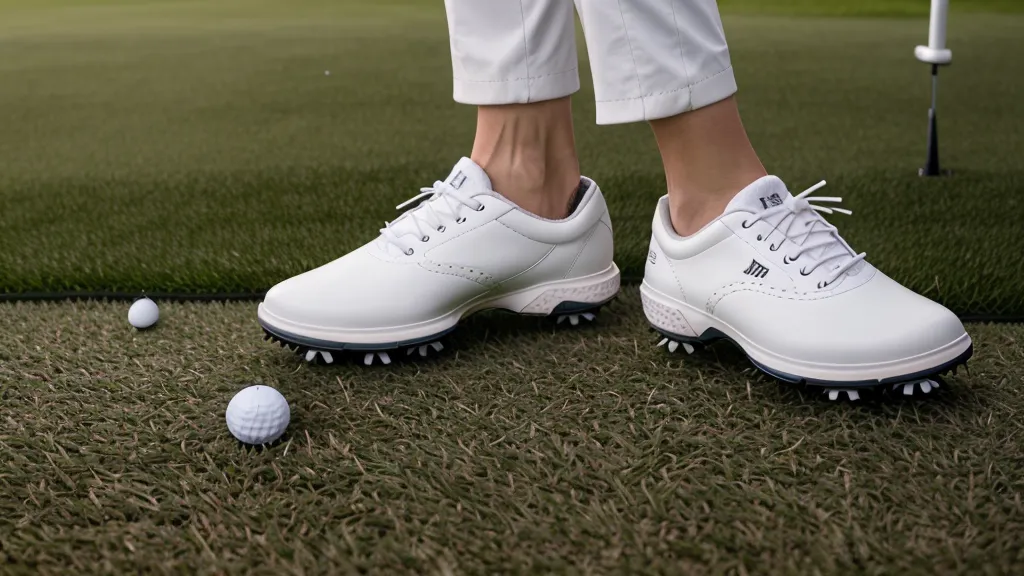
Testing FootJoy Across Thirty Desert Walking Rounds
One warm morning last March, I decided to test FootJoy's wide last options systematically. I swapped out my narrow tour shoes for a dedicated wide pair built with their roomier forefoot shape, laced them up, and loaded my push cart. To keep the testing honest and isolate foot fatigue from leg fatigue, I paired these rounds with my cart converted by the Alphard Golf Club Booster V2Pro. That electric conversion carries its own 36-hole battery range, meaning I was pure walker—striding freely without wrestling a heavy hand cart up the mounds at Silverado.
After about a month of weekend rounds, the difference in foot recovery was striking. In standard-width shoes, the friction against the outside edge of my foot caused a steady burn that lingered well into Sunday evening. With the wider toe box design from FootJoy, my forefoot could actually relax on the turf. The brand's flagship models come with a 2-year waterproof guarantee, which meant morning dew during early tee times never soaked through to create hot spots or friction blisters. Pricing fluctuates based on seasonal inventory and sales, so you will want to check the vendor's page for the current numbers before pulling the trigger.
For more on how different shoe constructions impact joint alignment, I wrote about balancing ground feel with knee stability in my notes on the Best FootJoy Golf Shoes for Extra Lateral Support and Knee Comfort. FootJoy gets a lot of grief from younger players for sticking to traditional styling, but their lasts—especially the roomier Laser Plus and Power lasts in wide widths—give you real leather, solid arch support, and room for the toes to actually breathe.
The Trade-Off: Forefoot Room Versus High-Torque Stability
Here is the reality that YouTube gear reviewers usually gloss over after hitting twenty balls in an air-conditioned simulator bay: wider toe box designs offer superior comfort during long rounds, but they provide noticeably less lateral stability than narrower performance-focused shoes during high-velocity swings.
You cannot have it both ways. When a shoe clamps your foot tight like an alpine ski boot, your foot cannot rotate or slide a single millimeter inside the cup. When you swing a driver at 100 miles per hour, that extreme containment channels every bit of torque directly into the turf. When you switch to a shoe with generous toe splay, your toes have freedom to spread out, which feels heavenly while walking five miles down the fairway. But on an uneven sidehill lie in the mid-summer heat in July, a wide toe box permits subtle internal foot movement during aggressive transition moves.
During testing, I noticed that on hard-and-fast desert lies, an extra-wide fit allowed my lead foot to roll slightly over the outer edge of the midsole on full-bore drives. It was not a catastrophic slip; it was a tiny loss of crispness in lateral bracing. For a 12-handicapper like me, trading a quarter-inch of driver torque containment for thirty-six holes of painless walking is a trade I will make seven days a week. But if you have a violent, high-speed hip turn, you have to be mindful: choose a shoe that gives you a wide forefoot while maintaining a locked-in heel cradle.
Walking Gear Ecosystem: What Else Survived the Rotation
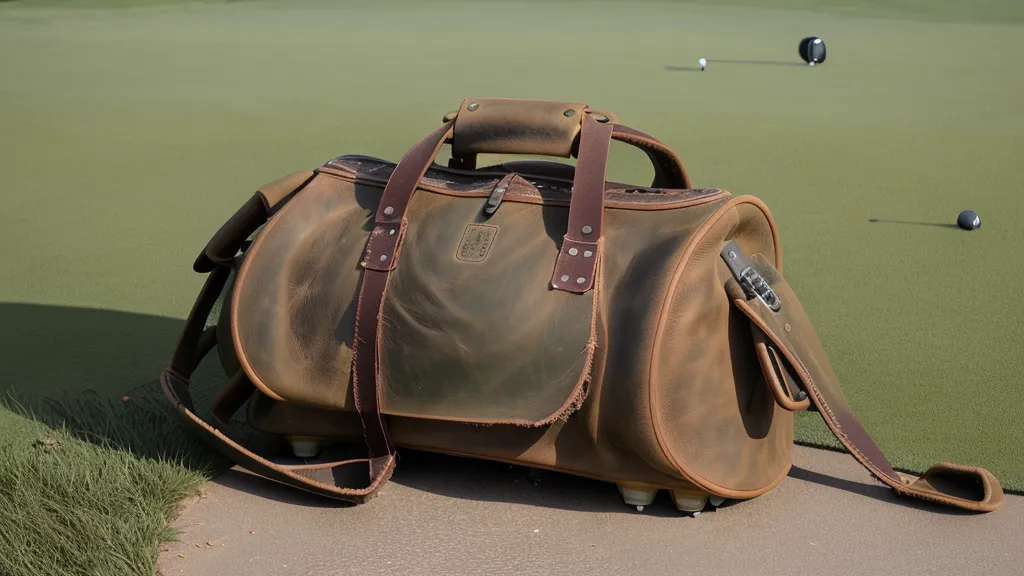
Your shoes are only one part of the walking equation. Over the last four years of logging rounds, every piece of walking kit has had to prove itself through repeat wear and tear. I treat gear the way I treat an old daily-driver pickup—it does not need to look immaculate, but it has to start every single time without drama. If you are curious about my full bag and cart setup from that first season on the grass, check out The Scottsdale Walk: My Gear Tracking Notes After a Full Year on the Grass.
On the flat stick side, my bag has housed the SWAG Golf Putter for months now. Its precision-milled 303 stainless steel head delivers an exceptionally clean feel off the face that helps dial in distance control on grainy desert greens, where afternoon baking turns casual putts into ice rinks. Resale value holds up if you collect them, though limited drops mean grabbing one requires fast fingers.
For golf balls, I alternate between the tour standard and direct-to-consumer alternatives depending on the course layout. When playing tight layouts lined with desert wash and jumping cholla, I run balls from Vice Golf. Their Pro Plus lineup gives me urethane performance and high greenside spin without the sting of losing a dozen premium balls in the brush. When tournament play or a serious Saturday skins game rolls around, I still lean on the gold standard from Titleist. Their Pro V1 line remains the benchmark for consistency and wind stability across valley golf courses, even if scuffing a fresh sleeve on cart paths hurts your wallet.
Comparing the Walking Setup
Below is how the core gear in my walking rotation stacks up across long-term desert use. Each piece has survived dozens of rounds in Arizona heat and earned its spot through performance, durability, and practical comfort on the course.
Finding the right combination takes some trial and error, but pairing the right wide-fitting shoe with a solid electric cart conversion like the Alphard Golf Club Booster V2Pro turns what used to be an exhausting slog into the best part of your weekend.
After 50 Rounds: What the Notebook Says
By late autumn, my notebook showed fifty-two recorded rounds on this shoe rotation. The conditions ranged from soggy, overseeded fairways in early spring to dry, crackling caliche in late August. Here is what the scorecard margins and notebook tallies actually reveal after thousands of walking steps:
- First Metatarsal Relief: In standard D widths, the joint at the base of my big toe would stay tender for 24 hours post-round. In the wide-fitting FootJoys, zero post-round joint throbbing, even after walking 36 holes over a Saturday and Sunday.
- Outsole Durability: The spikeless traction lugs held their profile well on desert decomposed granite, though the perimeter rubber shows honest abrasion near the ball of the foot from walking down rocky cart path edges.
- Waterproof Integrity: Through early morning desert dew that soaks deep into the bermuda, the two-year waterproof membrane never wept. Dry socks mean no friction hotspots. If you regularly battle damp mornings, take a look at my guide to the Best Waterproof Golf Shoes for Early Morning Dew and Rain.
- Heel Lock Versus Toe Room: The real genius of FootJoy's wide sizing is that the heel pocket remains snug. You get the wide toe box without your heel lifting out on uphill climbs.
The Final Verdict on Wide Walking Shoes
Walking golf should not be an exercise in pain tolerance. If you have been limping off the eighteenth green with aching arches and smashed toes, stop blaming your age or your reconstructed joints. Most of the time, the culprit is simply wearing footwear shaped like an arrow instead of a human foot.
Making the switch to a proper wide toe box does require accepting the lateral torque tradeoff on full swings. You will feel a slight difference in lateral harness on aggressive drives compared to ultra-rigid, razor-narrow tour shoes. But the payoff in walking endurance, forefoot comfort, and joint health across eighteen holes is immense. For my money, the dedicated wide lasts from FootJoy remain the most reliable, durable workhorses for any golfer who prefers walking five miles of grass over riding in a cart. Before your next thirty-six-hole weekend, check your toe room, give your feet the space they need, and save your joints for the back nine.
| Product | Rating | |
|---|---|---|
| FootJoy Top Pick | 9.1 | Read More → |
| Alphard Golf Club Booster V2Pro | 8.9 | Read More → |
| Titleist | 8.7 | Read More → |
| SWAG Golf Putter | 8.5 | Read More → |
| Vice Golf | 8.3 | Read More → |
FootJoy
Pros
- ✔ Dedicated wide and extra-wide lasts that let metatarsals spread naturally
- ✔ Two-year waterproof guarantee on flagship models keeps morning dew out
- ✔ Secure heel pocket prevents slippage while keeping toe box roomy
- ✔ Durable leather construction holds up across 50+ walking rounds
Cons
- ✘ Slightly less lateral containment during aggressive high-speed driver swings
- ✘ Sole traction on casual spikeless lines wears faster on desert gravel