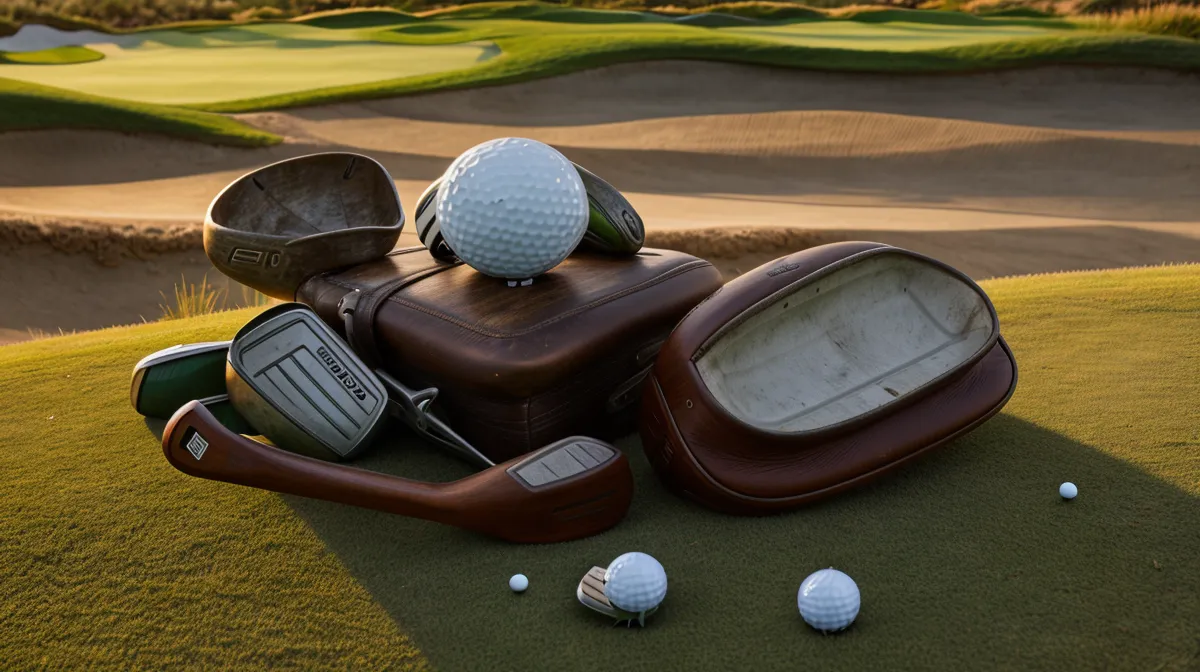
A glossy ball throws sunlight straight back into your eyes; a matte one just eats it. That single difference is the entire argument for switching, and it took a full season of squinting through desert golf glare before I actually believed it. Being a commercial real estate broker, I am wired to track data points for a living, and losing the flight of a ball at the top of its arc always felt like losing a number I needed. Matte golf balls fixed that one specific problem, not every problem golf throws at you, and this piece is about exactly where that fix holds up and where it does not.
Why Glossy Covers Disappear in Desert Glare
Wigwam Golf Club, out in Litchfield Park, gets the kind of afternoon light that turns a standard golf ball into a small mirror. The cover catches sun at the top of the swing and again on the way down, and for a half second you are tracking a flash of white light instead of the ball itself. That flash is a specular highlight, the same glare you get off a windshield at the wrong angle, and a glossy cover is built to produce exactly that. The USGA does not regulate what a cover looks like, only its size and weight, so nothing in the rulebook stops a manufacturer from polishing a ball until it behaves like a signal mirror in July. Golf gear that ignores this problem is gear built for a course in Ohio, not one in the Sonoran Desert.
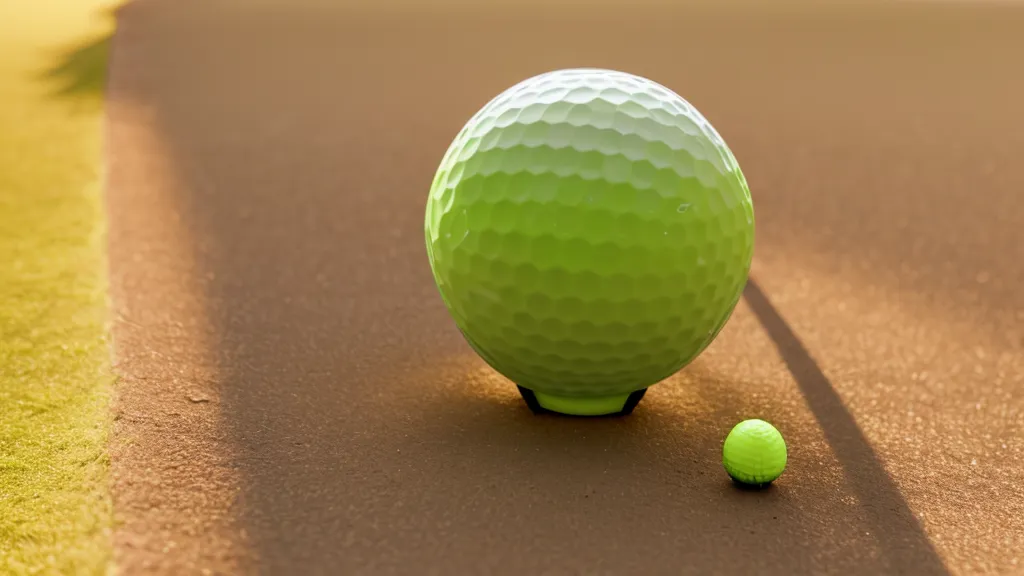
Matte finish works by scattering that same light instead of bouncing it in one direction. Picture a store window against a chalkboard under the same bright sun; the window throws a hot reflection back at you, the chalkboard just sits there, visible but calm. Swapping to a matte cover moved that exact problem from my eyes to something I could actually manage, and it is why a matte ball now stays in the bag whenever the sky starts doing that white-hole trick Arizona pulls in mid-summer.
The Vice Pro Matte Series, Tested Across Fifty Rounds of Desert Golf
Fifty rounds is the number I lean on before I trust any piece of golf gear enough to write about it, and the Vice Pro Matte in neon lime and red earned that many by early summer. It is a three-piece ball with a cast urethane cover, which is unusual for the matte category; most matte balls use a cheaper surlyn cover that feels like hitting a rock off the tee. The construction underneath is tuned closer to a faster swing than a slower one, which is its own separate conversation about matching compression to swing speed rather than matching color to sunlight, and not one I am solving here.
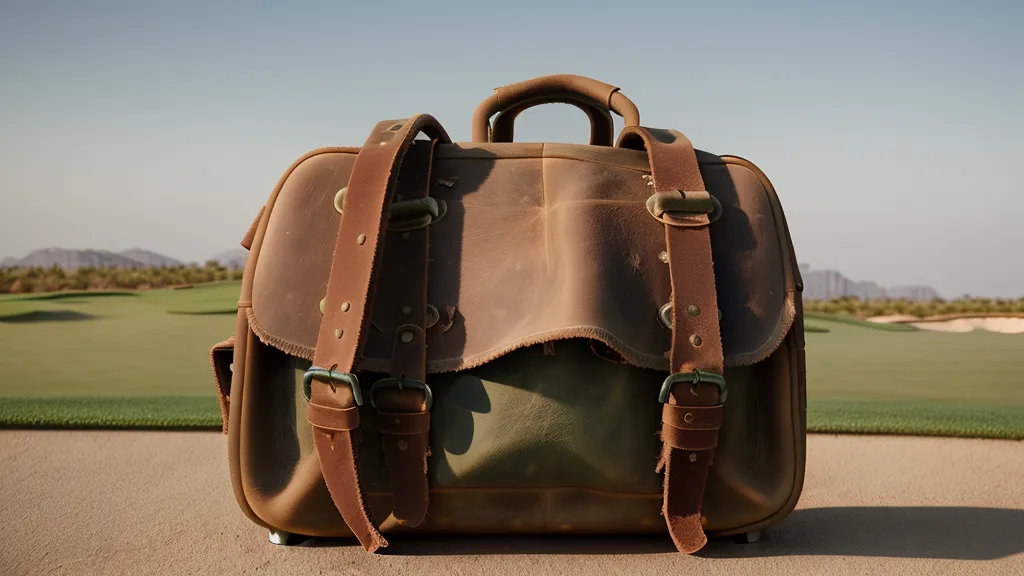
Hank Viteri, my regular Wednesday game, reads every equipment catalog cover to cover and almost never actually changes anything in his own bag. He needled me for two holes about caring more about ball color than swing path, then watched me spot my own drive against the rough from well over a hundred yards out while his glossy ball cost him a lost stroke and several extra minutes to find. I carry a 14 handicap and an average drive a shade over 230 yards, numbers that have not moved much since the switch; what changed is how often I actually find the ball I hit, especially once I am carrying my own bag deep into the back nine, a subject covered separately in Best Vice Golf Carry Bags for Walkers Avoiding Heavy Cart Bags.
Does Matte Slow Down Your Read at High Noon?
Matte is not a free win. At high noon, with the sun almost straight overhead, matte finish gets harder to track than gloss, and that part rarely makes it into a sales pitch. A spinning glossy ball flickers, and your eye reads that flicker to judge speed and trajectory almost without trying. A matte ball does not flicker; it reads as one flat block of color moving through the air, and the eye has to relearn how to judge a solid shape instead of a shimmer. Expect a handful of rounds before that recalibration stops feeling strange, and do not judge a matte ball on the first tee shot alone.
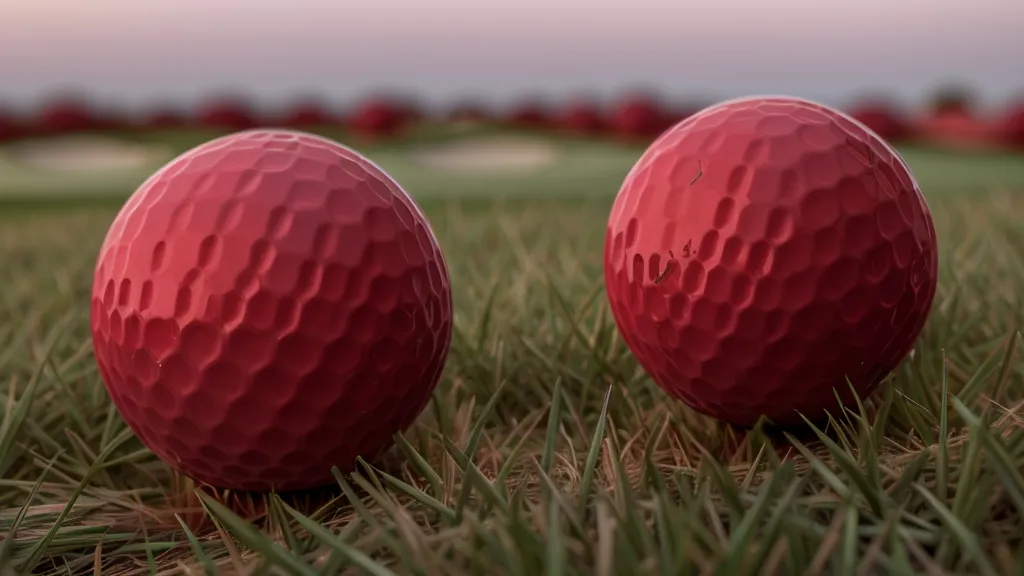
The coating that creates a matte texture also adds a small amount of aerodynamic drag compared with a high-gloss finish. For a tour swing chasing every last yard, that matters. For a mid-handicap round where the miss is more often a lost ball than a lost yard, it does not matter nearly as much. Save gloss for the brightest, highest-sun tee times if distance is the priority, and save matte for the rest of the day, when tracking beats a couple of extra yards you could not have found anyway.
Reading a Putting Line Without the Hot Spot
The clearest win for matte finish is not on the tee at all; it shows up on the green. A glossy ball sitting on a bright putting surface throws a tiny, blinding reflection right where your eye wants to read the alignment line. Matte kills that reflection entirely. Lining up a ten-footer gets easier because you are looking at the ball's actual position against the putter face instead of a stray point of light. The Vice Pro's cover looks almost sanded, the way urethane looks once it has lost its shine, and that flat texture does real work on the green even though most of the marketing talks about the tee box.
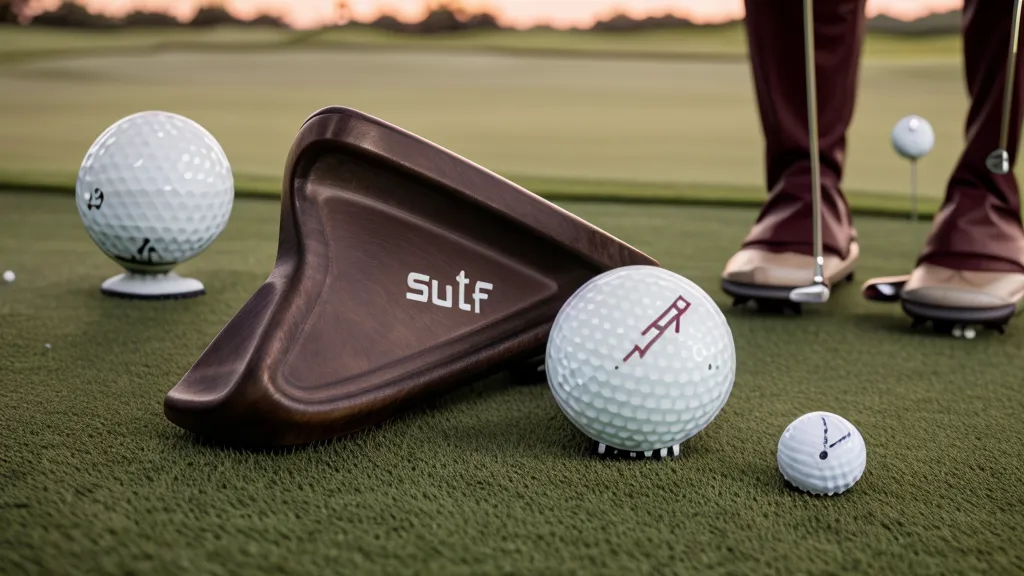
Color choice adds another layer once you get past the finish itself. Neon lime holds up better against sand and dormant scrub around Wigwam, while red tracks better in the air but gets harder to spot once it settles into green grass or the rough. If you spend more time hunting balls out of scrape areas than reading greens, the finish matters less than the cover's toughness, which is the whole subject of Most Durable Golf Balls for Desert Courses with Hard Scrape Areas.
How Much Punishment Can the Matte Cover Actually Take?
A cheap aluminum push cart taught me the same lesson about gear that overpromises and underperforms. It looked fine in the driveway, then wobbled hard enough to nearly tip on a downhill stretch at Wigwam, a reminder that wheelbase and weight distribution matter more on real terrain than in a flat parking lot test. The surface of a matte ball takes its own kind of punishment; it does not flake, but it will pick up stain from red clay or mineral-heavy water long before it shows an actual scuff. Even a small routine, like a stray hiss of compressed air across the stitching on a test glove, cold and quick against damp leather, tells you more about how gear survives a hot round than a spec sheet ever will, and that is a longer story about glove longevity in real heat for another piece entirely.
The wall in my garage keeps score for every ball I test, a running tally in black marker on cinder block, and the Vice Pro's count sits near the top of anything from the last year. The decision on matte golf balls comes down to when you play more than how you play. Morning rounds, evening rounds, overcast days anywhere in the valley, matte wins on visibility without much of a downside. Full sun at high noon is the one window where gloss still has an argument, mostly for tracking spin off long irons. Golf gear built for the desert has to survive glare as much as heat and granite, and for most of my rounds, a matte cover earns its spot in the bag for exactly that reason.