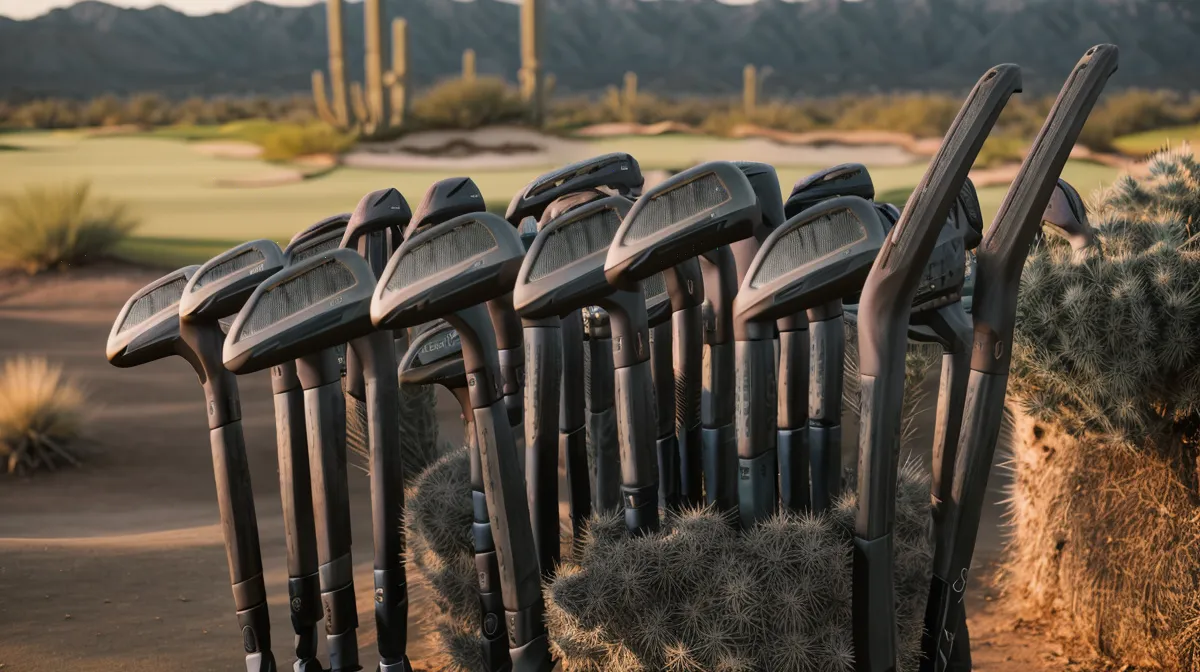
The 7-iron comes off the face flat and the ball is still rising when it clears the flagstick at Talking Stick's range by a good fifteen yards; no sting up the shaft, no real excuse to check where I caught it on the face. That's the shot game-improvement irons are built to hand a mid-handicapper like me, and it's the whole argument in this Cobra Darkspeed review: distance you didn't earn on your own, wrapped inside the kind of forgiveness a set of blades will never give you.
A quick disclosure before the comparison gets going: some of the links below run through affiliate programs, and if you buy through one I earn a small commission at no cost to you. Every recommendation here comes from gear that's actually made it into my bag or a playing partner's, not a review sample that goes back in a box after one round.
Two Different Sets, Two Different Rounds
Six years of rotating through gear since a knee injury pushed me off the trails and onto the tee box, and the two most different sets I've ever carried are sitting side by side in my garage right now: a battered pair of forged blades from my first couple seasons back, and the Cobra Darkspeed Irons I've been gaming since. Anyone transitioning away from hard to hit blades for the first time knows the fear of picking up a club that looks like a garden shovel; the launch forgiveness that comes with that trade is the whole reason this category exists, and it's worth weighing against what you give up to get it.
Loft is where the real story lives. The 7-iron in the Darkspeed set sits at 27 degrees, which is closer to a 6-iron or even a 5-iron from a decade or two back, and it's the same strong-lofting fight going on if you're comparing Titleist T150 vs T200 irons in that same amateur-forgiveness bracket. My blades, by contrast, kept their lofts honest, which is a nice way of saying I lost about 12 yards of average iron distance once my rotation stopped looking like a 25-year-old's.
What the Blades Actually Cost Me
My blades punished mishits in a way the Darkspeeds simply don't; catch one even a groove low on the face with the old irons and the ball would come up short in whatever bunker was guarding the front. The hollow-body heads shrug that same swing off almost entirely, which is the whole premise of a game-improvement iron: protect the average swing, not just the best one.
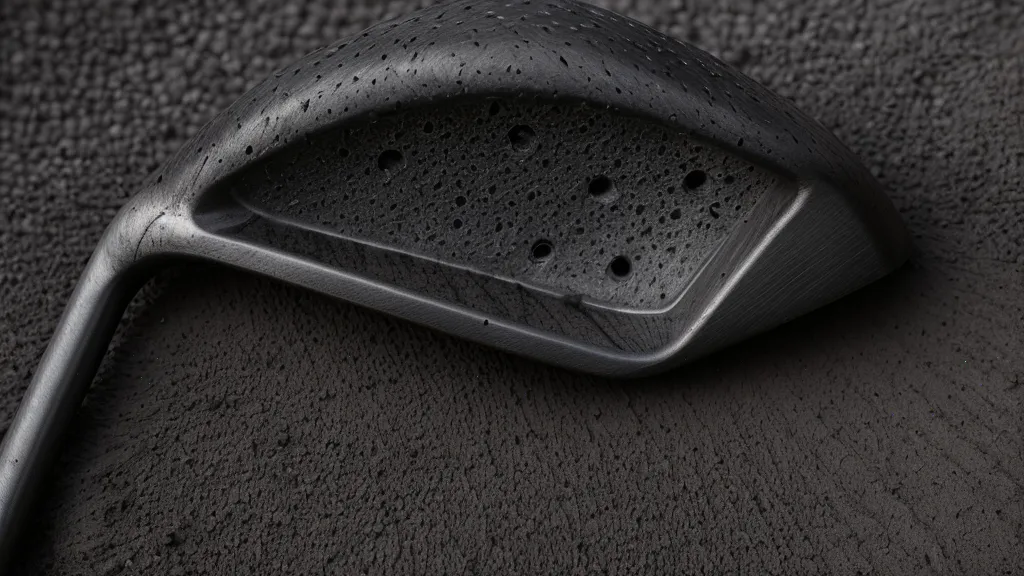
The real proof came on the 9th at Talking Stick: a mis-hit approach that should have died in the greenside bunker instead held its line onto the putting surface, leaving a 22-foot lag. For the first time in longer than I can remember, my forearms weren't buzzing from the strike that got it there.
How Does a Hollow Body Close That Gap?
Cobra calls it H.O.T. Face Technology in the marketing copy, but what it actually means is fifteen different thickness zones engineered across the hitting surface so ball speed holds up even when contact isn't centered. Pair that face with a shaft that dropped from the heavy steel I played on the blades down to a 105-gram KBS Tour Lite, and the whole setup asks less of a swing that isn't rotating the way it used to.
None of that removes the long-iron argument entirely. A strong-lofted 7-iron doing a 6-iron's job still leaves a gap at the top of the bag, and plenty of amateurs solve it with a hybrid instead of fighting a 3-iron or 4-iron. That trade-off is worth working out before you buy the full set, not after.
The Trade Every Game-Improvement Iron Makes
Nothing about that forgiveness comes free. Impact on the Darkspeed sounds like a knuckle rapping a hollow wooden desk, sharper and higher-pitched than the thud I grew up hitting off forged blades, and it took a dozen rounds before I stopped flinching at the noise. Purists who need a buttery strike are going to hate this part no matter how far the ball flies.

Shot-shaping suffers just as much as the sound does. Stuck under a tree with a low punch the only way back to the fairway, the Darkspeed's high-launch bias sent a well-struck attempt straight into the branches. The blades would have stayed under that same canopy every time; these heads want to climb, and fighting that flight is close to pointless. The sole is wide enough to shrug off a fat strike on the hardpan without digging, which matters more on Talking Stick's sun-baked turf than it does on anything soft. Bounce built into my wedges does similar work on that same ground, though that's its own fitting conversation.
Where the Old Blades Still Win
Blades still have a case, and it isn't nostalgia. A player who can find the center of the face consistently gets more shot-shaping control, quieter feedback on a pured strike, and no fight against a launch angle that's trying to help whether you want it to or not. Skip, who I play with most Saturdays now, took one look at the Darkspeed heads in my bag and asked what they'd run him; he's the same guy who won't spend more than pocket change on a sleeve of balls, so the number mattered more to him than the face technology behind it.
The Rest of the Bag Around Them
Every round these days is really a chain of gear decisions stacked on top of each other. I still push a cart to save the legs on the back nine. The Alphard Golf Club Booster V2Pro turned my old manual cart into something with power-assist, and that motor does more for stability on a downhill cart path than most first-time buyers expect. How small the thing folds for the trunk is its own separate argument. The bag riding on top barely registers weight-wise once the motor is doing the pulling.
The putter tells a similar story. I carry a SWAG Golf Putter now, and going from the hollow click of the irons to a milled face is its own adjustment in feel. Grip pressure through the stroke matters more with a thinner grip than people expect. The mallet-versus-blade forgiveness debate among putter buyers is basically the same conversation as irons, just played out on the green instead of the fairway.
Balls matter here too, more than most amateurs give them credit for. I've rotated through premium balls like Titleist Pro V1 against Vice's Pro Plus, and cover durability off the cart paths at Talking Stick separates them faster than anything on a spec sheet. A ball with too much compression for a moderate swing speed doesn't compress right off these irons' faces either. Visibility against a bright desert sky is worth more than most golfers rank it, at least until they've lost a few in one round.
Gloves are the one piece of gear that never gets its due until it fails. A pair of cabretta leather gloves I tried a while back were soaked through before I even made the turn on a July round at Talking Stick, useless for grip exactly when the heat made grip matter most. Heat-tolerant materials matter more here than most tour pros ever have to think about. I dropped that pair for good.
Shoes finish the list, and they matter more for me than most because of the knee. Traction on Talking Stick's sun-baked hardpan is non-negotiable, since a foot that slides mid-swing is worse for a surgically repaired knee than any yardage lost to a bad lie. Lateral support through the swing takes real load off that knee on a walking day, and that's a bigger factor in what I buy than looks or brand ever will be.
Picking Between the Two
So here's the actual answer, not the marketing pitch. Choose blades if you can find the center of the face most rounds and you value shot-shaping and feedback over a few extra yards on a mishit. Choose something built like the Darkspeed if your rotation has slowed down, your misses cost you more than your best swing gains you, or you're walking three rounds a week and want your joints to still work on Sunday. I carry a 13 index most seasons, and my scorecard makes that choice for me now; the blades mostly sit in the closet.
If you're rounding out the rest of the bag to match, the Best Cobra Golf Drivers for Amateurs Seeking More Forgiveness follow the same philosophy off the tee that the Darkspeed irons do through the set. Kenny, a guy I run into most weekends, chases ball speed numbers on his phone without ever booking an actual fitting, and he'd probably benefit from that same built-in consistency more than another launch monitor session ever will. The set earns its spot in my bag for one plain reason: it turns an average swing into a good enough result, round after round.
Cobra Darkspeed Irons
Pros
- ✔ Masks a slower swing speed with massive distance
- ✔ Keeps thin shots airborne and on target
- ✔ Finish is surprisingly durable against desert sand
- ✔ Lighter setup is much easier on the joints
Cons
- ✘ Hollow click sound can be polarizing
- ✘ Difficult to hit low, flighted shots under trees