Two Cobra driver heads, same swing, same course, wildly different scorecards. That's the blunt version of what rotating gear at Aguila Golf Course in West Phoenix has taught me about forgiveness for an amateur swing that does not always find the center of the face, specifically why the low-spin LS head that lights up a launch monitor can quietly wreck your dispersion while the higher-launching Max head saves it. Shopping the Cobra Puma Golf driver lineup for more forgiveness usually comes down to exactly that trade-off if you play out of the Scottsdale-Phoenix valley like I do, not whatever copy is printed on the hangtag.
Quick disclosure before the comparison: a few of the links below are affiliate links, and I earn a small commission if you buy through them at no extra cost to you. Every take here comes from gear I bought or borrowed and beat up on real rounds, never a press kit sitting on a shelf. My notebook tracks every drive: distance, dispersion, which fairway it missed and by how much; that notebook is where this comparison actually comes from, not a spec sheet.
Darkspeed Max or Aerojet: Which One Actually Forgives a Mis-Hit?
Most mid-handicappers fall into the same trap: chasing the lowest spin number possible for an extra ten yards of rollout. I did it myself the year I swapped out of my old Titleist driver, and the dispersion numbers in my notebook got worse, not better. Less spin only helps once you have the clubhead speed to keep a low-spin ball in the air; without it, a bomb just turns into a diving hook headed for the scrub past the rough.
Here is the real comparison. The Aerojet head is tuned for a lower, more penetrating flight, and on a flush strike it is genuinely long. The Darkspeed Max is built to the USGA's maximum 460cc head volume, but the crown is shaped so the extra mass sits low and back instead of just padding out the profile. Cobra spreads face thickness across 15 different H.O.T. Face zones on that Max head, so a strike off the toe still gets a jump instead of dying fifteen yards short. Mis-hits that used to finish well short of the fairway on the Aerojet were landing on the fringe once the Max went into the bag, strike after strike.
A Mis-Hit That Didn't Feel Like One
That gap shows up clearest on a mis-hit, not a flush one. Standing on a tee box at Aguila one summer afternoon, I caught one a shade off the heel and heard a soft, solid click instead of the thin sting that usually means a hook is coming; the ball climbed anyway and settled in the first cut. That is the launch stability the Max trades for a little ball speed on a pure strike. Everyone wants the low-spin model because that is what shows up in tour highlight reels, but for an amateur with a knee that complains on back-to-back rounds, a little extra spin is the friend that keeps the ball airborne long enough to find grass instead of gravel.
Testing Both Heads Back to Back at Aguila
Kenny Prater, a Saturday-morning playing partner, will argue you into the ground about paying full retail for a driver. His take is that Cobra does not carry the same shelf cachet as the big three, so why trust the forgiveness claims. Fair question. Resale value on Cobra gear does lag Titleist and TaylorMade on the used market, and the pricing gap between Cobra and the flagship brands is real. After enough rounds testing both heads side by side at Aguila, though, the Darkspeed Max held its dispersion numbers against drivers that cost noticeably more at checkout. Kenny still is not fully sold. I do not blame him.
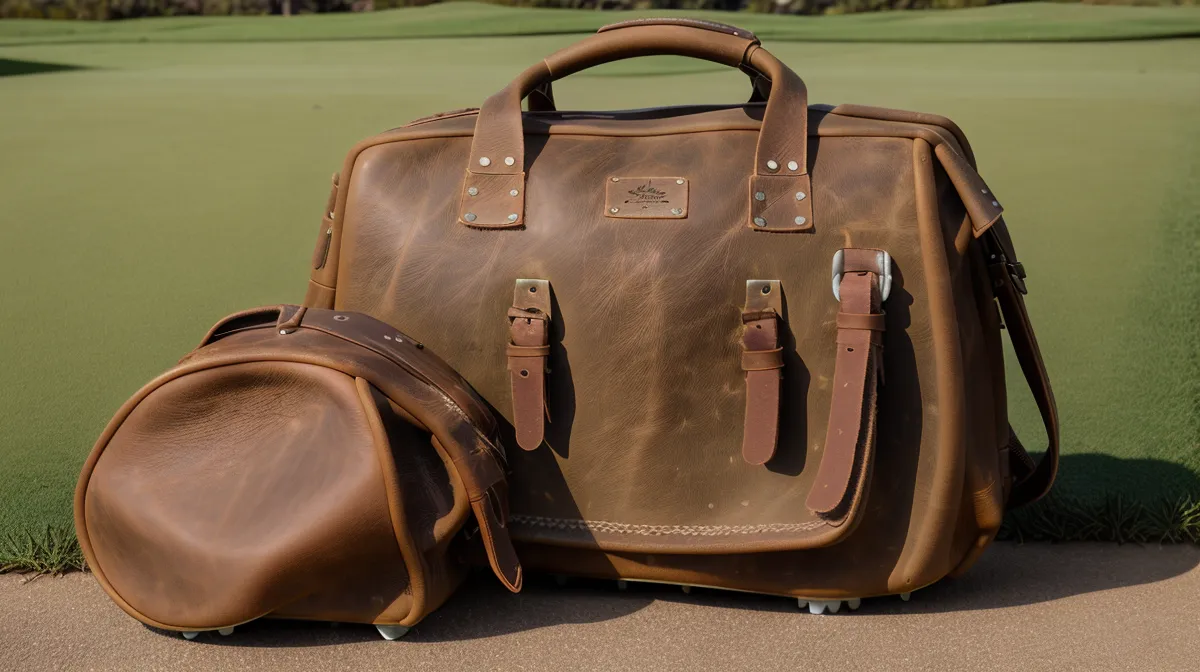
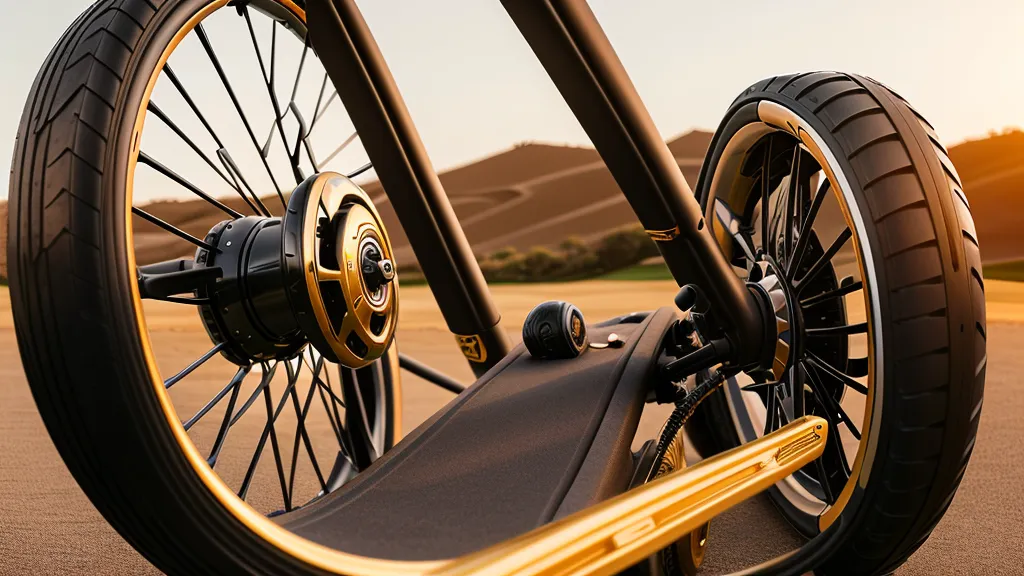
None of that forgiveness matters if the rest of the bag falls apart by the back nine. I swapped a heavy carry bag for the Alphard Golf Club Booster V2Pro a while back, mainly to keep the knee from barking on Aguila's longer walks between greens; it turns a manual push cart into a remote-controlled caddy in under half an hour of setup. Whatever stability the Max head buys on a mis-hit gets undone fast if you are wrestling a cart down a slope on tired legs, and push-cart stability on uneven ground matters just as much as anything happening at impact.
Grip matters just as much as leg fatigue. I went through a stretch with cabretta leather gloves that felt great on the range and then soaked through before the turn on any July round in this heat, useless the moment your hand starts sliding on the grip mid-swing and exactly the kind of thing that turns a forgiving driver into an unpredictable one. FootJoy shoes solved the footing half of that equation; their waterproof build holds up on soaked winter rye during early sprinkler-heavy tee times, and a stable base is what lets a high-MOI driver actually do its job instead of fighting your feet. Anyone dealing with knee issues too should look at the Best Cobra Irons for Seniors and Golfers with Knee Issues to round out the rest of the bag.
Ball Choice Changes the Dispersion Picture
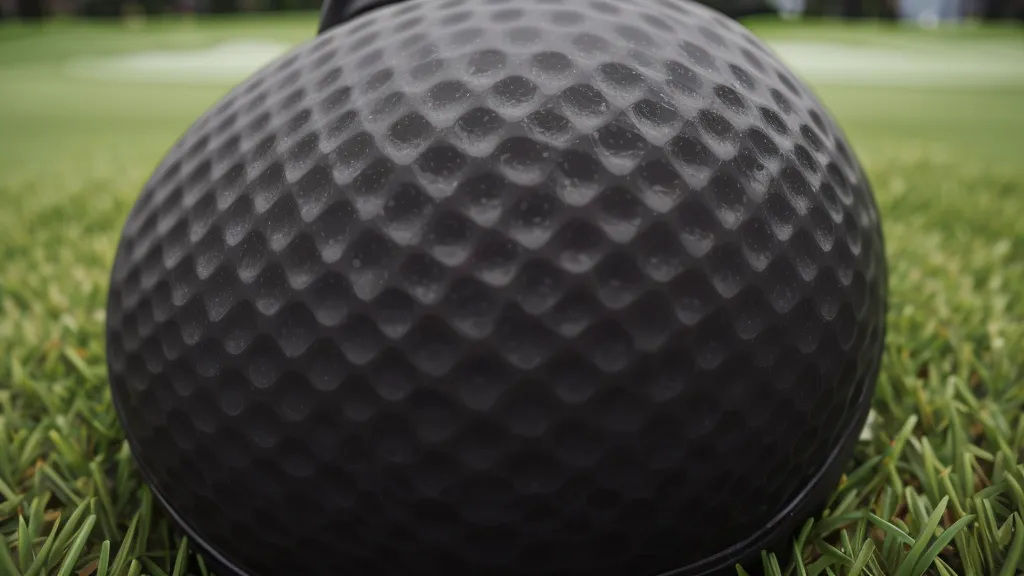
Ball choice complicates the driver comparison even further. Titleist Pro V1 is still the gold standard for feel around the greens, but paired with the Cobra driver, Vice Golf Pro Soft balls actually produced tighter dispersion off the tee in my notebook. Swing speed sits in the mid-90s for me, and at that speed the softer compression ball stays on the face a fraction longer through impact, which matters more than any spec sheet number. There's a longer breakdown of that swing-speed-to-compression match in my notes on Comparing Titleist Golf Balls for Average Swing Speed Players, but the short version is that ball compression and driver forgiveness are solving the same problem from two different directions.
What Actually Stays in the Bag
Reliability is the part that never shows up on a launch monitor readout. The Cobra driver has stayed in the bag longer than anything else I have rotated through, mostly because it does not ask me to change my swing to get a payoff; even when the Bermuda rough turns grabby in triple-digit heat, the miss pattern stays predictable instead of scattering. On the green, the bag is rounded out with a SWAG Golf Putter, precision-milled from 303 stainless steel. Skip Dabrowski, a regular in my Saturday group, has an opinion on putter face milling whether anyone asked for one or not, and he will tell you the milling pattern changes the sound off the face as much as the roll. He is not wrong about the sound part.
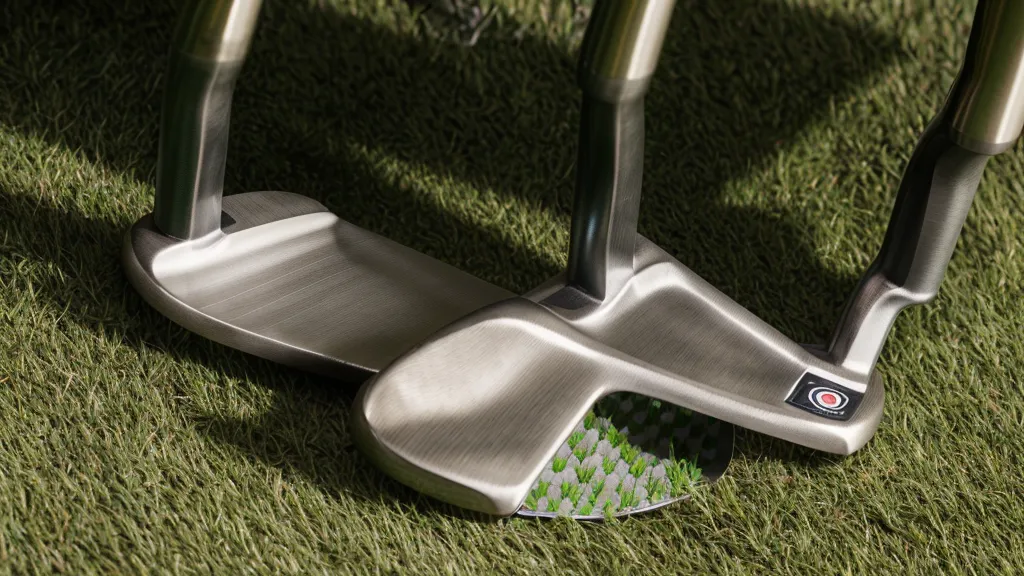
Anyone chasing the same feel upgrade on the green should look at the Best Milled Putters for Amateurs Looking for Better Feel on Greens for more on that side of the bag. The putter and the driver are solving different problems: one wants feedback, the other wants to hide your mistakes, and they only work well together if neither one is fighting your swing.
So which head actually earns a spot in the bag. If your miss tends to leak right with extra spin ballooning the flight, test the standard Darkspeed first; it plays like a daily-driver pickup, reliable and unglamorous. If your miss is more of a low, offline hook or a toe strike that dies short, start with the Darkspeed Max instead; the extra forgiveness on off-center hits is built for exactly that pattern, and it is the head that turned my own scorecard around at Aguila. Neither one fixes a swing that needs actual lessons, but both remove the excuse of the club fighting you.
Losing balls in the desert scrub because a tour-spec driver punishes every mis-hit is a fixable problem. Start with whichever Cobra head matches your miss pattern and build out from there. Pair it with the Alphard Booster if your legs give out before your swing does, and pick up a box of Vice Golf balls to see whether the softer compression tightens your dispersion the way it tightened mine. Your knee, and your scorecard, will likely thank you before you reach the turn.