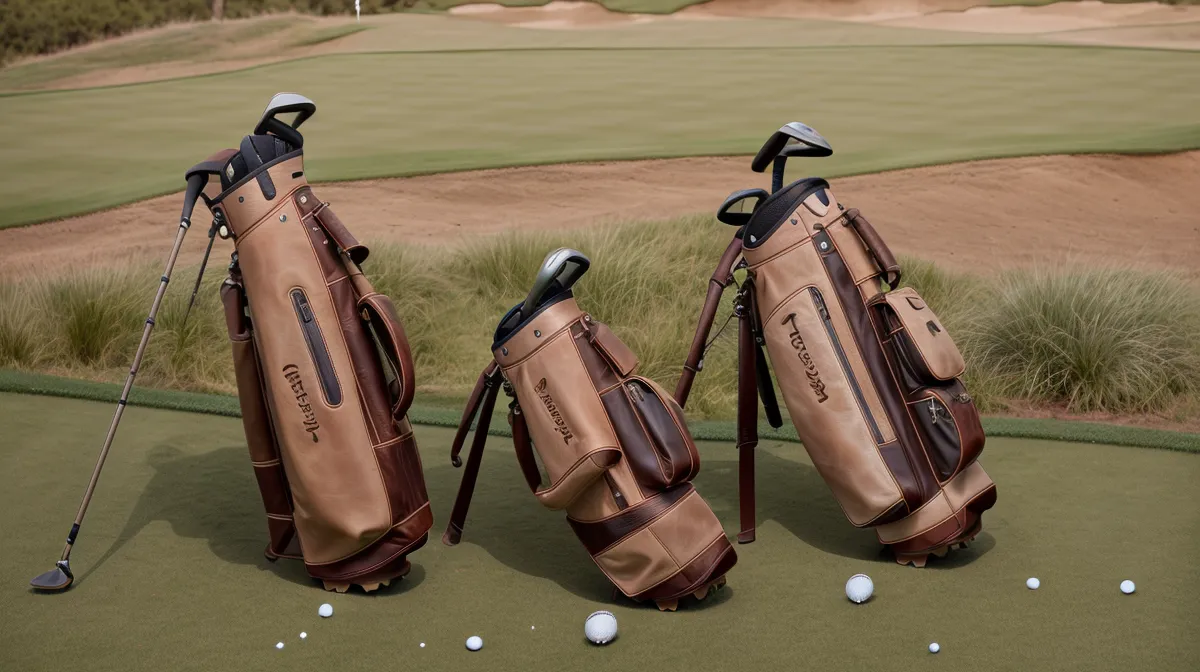
Forty-seven degrees. That was the temperature on my first notebook entry last November when the internal stitches from my knee surgery felt like they were shrinking in the cold. I stood on the first tee at a public track in the south valley, staring down a five-mile walk that used to end with a bottle of ibuprofen and a bag of ice. Since a 2020 injury turned running into a distant memory, I have had to treat my golf gear like a long-haul trucker treats a set of tires.
Before we get into the grit of the fairways, a quick note: Some links on this page send commerce my way. When a reader buys golf gear through one, I earn a commission at no extra cost to you. The picks here come from gear actually rotated through over real rounds, never from press kits or sponsored loaners. I have lived with this stuff for fifty rounds or more because a review written after one afternoon at the range is about as useful as a screen door on a submarine.
Transitioning from a Runner's Mindset to a Walker's Notebook
When I stopped running, I lost the ability to just throw on a pair of sneakers and vanish for an hour. Golf became the substitute, but walking eighteen holes is a different beast entirely. It is a slow burn. You cover a typical walking distance of 5 miles per round, and if you are doing that three times a week, you are putting 780 miles on your joints every year. My notebook started as a way to track yardages, but it quickly turned into a maintenance log for my body and my gear.
I realized early on that my gear had to be as reliable as a daily-driver pickup. I am not looking for the newest shiny thing that breaks after a month of Scottsdale sun. I am looking for the stuff that survives the transition from the dormant Bermuda grass of late autumn to the heavy, wet Rye grass of the winter overseed. If it cannot handle the 30th round, it does not stay in the bag.
The Tech Shift: Motorizing the Valley Walk
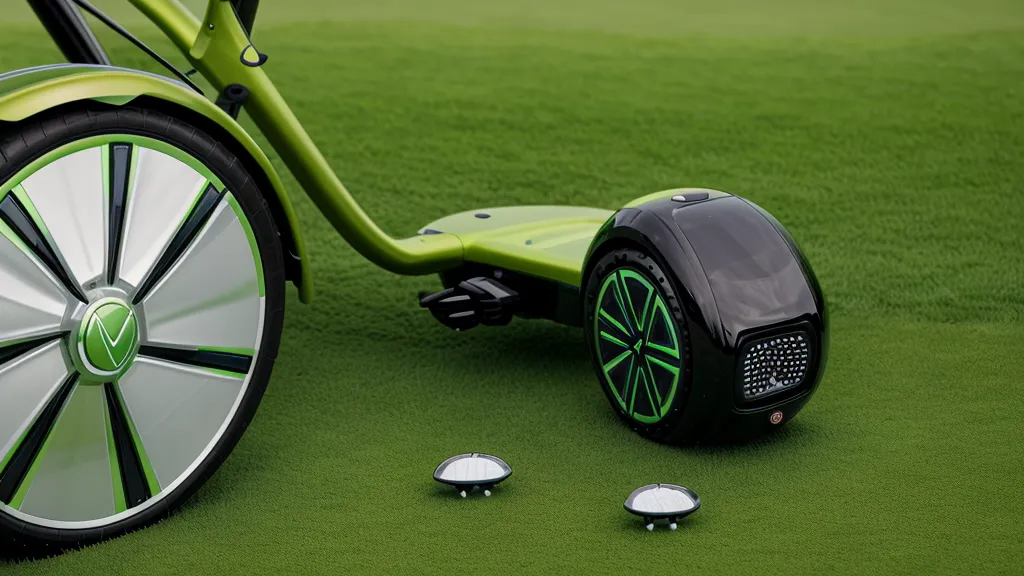
By early spring, the familiar ache in my lower back started to bark after the twelfth hole. Pushing a manual cart for 54 holes a week is basically a low-intensity weightlifting session you did not sign up for. I finally decided to stop playing the martyr and looked into motorizing my setup. I settled on the Alphard Golf Club Booster V2Pro. It is a unit that replaces the back wheels of your existing push cart, turning it into a remote-controlled caddy.
The first few rounds were a revelation. There is a specific metallic 'click' of the V2Pro remote locking into its cradle during a quiet, windless desert morning that signals the start of a stress-free walk. I noticed the absence of that specific lower-back throb after eighteen holes, a feeling I hadn't experienced since my early thirties. The unit comes with a 36-hole battery on a single charge, which is plenty for my Saturday-Sunday doubleheaders. However, the desert heat is a battery killer. I have learned the hard way that you need to be diligent about storage, or you will be looking at a replacement battery sooner than you think. For those interested in keeping their unit running, I wrote a separate piece on how to maintain the Alphard Club Booster V2Pro for long term use.
I did have one spectacular failure in mid-February. I forgot to charge the battery after a rainy Friday round and headed out for a Saturday morning tee time. Trying to manually push a motorized unit through the heavy, wet grass of a newly overseeded fairway is a special kind of hell. It felt like pushing a lawnmower with the brake on. Since then, the charger stays in my trunk, and the battery never leaves the cradle until it is full.
Foot Health and the Plantar Fasciitis Fight
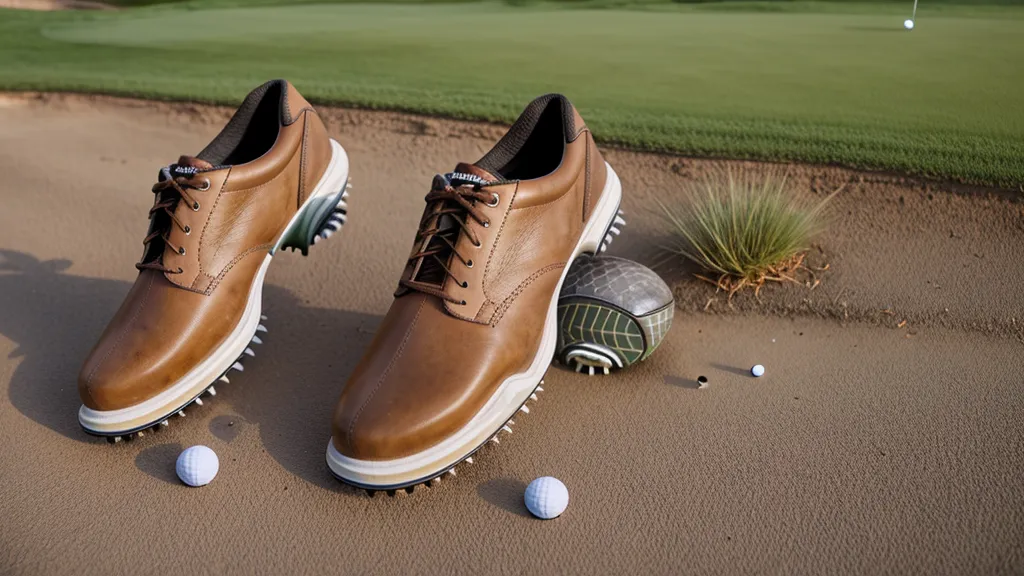
Walking 15 miles a week on the hard-packed desert floor is a recipe for foot disaster if you have chronic plantar fasciitis like I do. Most golf shoe reviews talk about style or how much they look like a sneaker. When you are walking three times a week, you need heavy-duty orthotics and maximum-cushion footwear. Standard gear advice usually prioritizes weight, but I will take a slightly heavier shoe if it means I can walk to my car without limping after the round.
I have rotated through several brands, but I keep coming back to FootJoy. Their flagship lines, like the Premier and Pro/SLX, carry a 2-year waterproof guarantee, which is essential when the morning dew is thick. More importantly, they have the structural integrity to hold a custom orthotic without the heel slipping. I tracked my steps in a pair of Pro/SLX shoes through a rare wet Arizona spring, and you can see my full notes in the FootJoy Pro/SLX review. The current price for these is on the vendor's page, and while they aren't the cheapest on the rack, my feet don't care about the receipt when I'm on the 17th hole.
The Short Game: Tools vs. Collectibles
As the year progressed into the mid-August heat, my game moved from the fairways to the greens. This is where the obsession really took hold. I picked up a SWAG Golf Putter made from precision-milled 303 stainless steel. There is something about the way that material feels on a hot afternoon; it is consistent, unlike the soft inserts that seem to get mushy when the thermometer hits triple digits.
I often find myself staring at the limited-edition putter headcover, wondering if I am buying a tool or a collectible while standing over a four-footer for par. It is a strange headspace to be in. But the notebook doesn't lie: my putts-per-round dropped by two after I committed to this setup. If you want to know if these are actually worth the hype, check out my SWAG Golf Putter review. The resale value stays high because of the limited drops, but I am not selling mine anytime soon.
For the ball, I have spent the last six months alternating between Titleist Pro V1s and Vice Golf Pro Plus. The Titleist is the gold standard, no doubt. But when you are walking and potentially losing a ball in the desert scrub, the direct-to-consumer model of Vice becomes very attractive. I have found the cover durability on the Vice balls holds up remarkably well against the cart paths and desert rocks, though Titleist still feels slightly more consistent on the greens.
Reflections After One Hundred Rounds
Looking at my notebook today, the entries from late summer are much different than those from last November. I have learned that the USGA-mandated standard bag limit of 14 clubs is actually a blessing for a walker; it forces you to be intentional about what you carry. Every extra pound is a tax on your knees.
The best gear isn't the flashiest. It is the stuff that still performs on the 100th round of the year. It is the Alphard V2Pro that hasn't drifted off-course once I dialed in the weight balance. It is the FootJoy shoes that still keep my orthotics snug and my plantar fasciitis at bay. Golf is a game of misses, and my gear's job is to make sure my body isn't the reason for the miss. If you are serious about walking the valley, check out the Alphard Golf Club Booster V2Pro and see if your back doesn't thank you by the time you reach the 18th green.