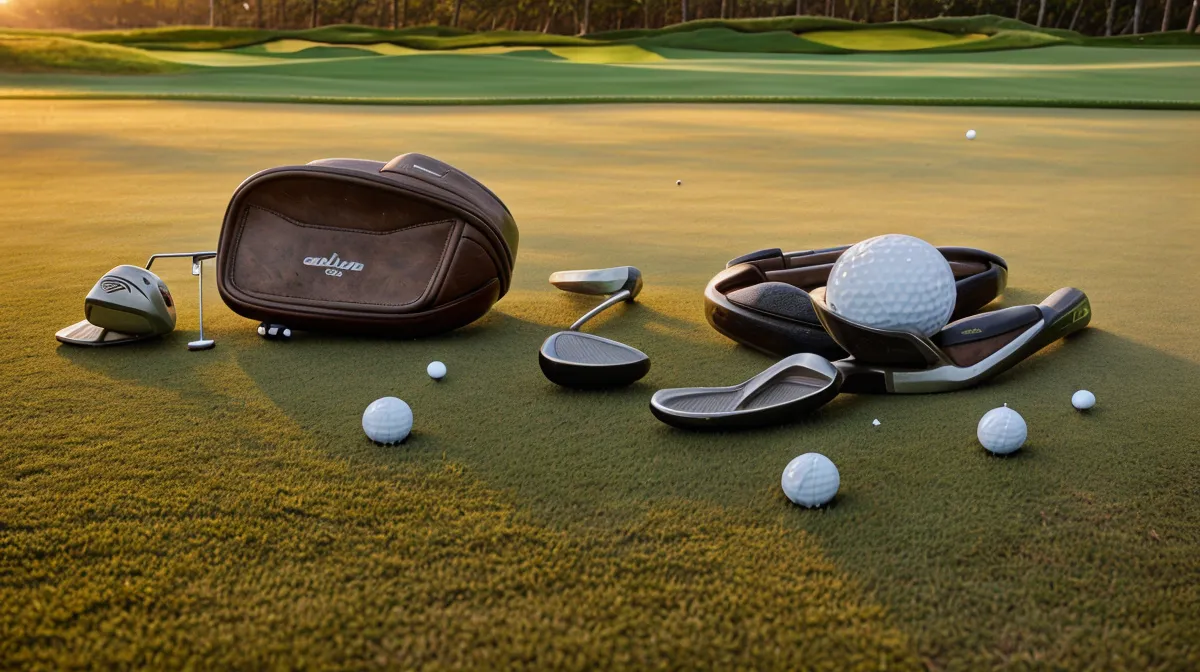
A bag that holds fourteen clubs and a bag that survives fourteen rounds of Sonoran caliche dust are two completely different tests, and most cart bag reviews only run the first one. Six years of rotating gear through public Phoenix-valley courses, ever since a knee injury ended my running days back in 2020, taught me that the bag that photographs well in a pro shop is rarely the one still holding its shape once the UV index tops out for the summer. Durability, not pocket count or a flashy color, is the whole game once you're logging real rounds instead of a single demo swing; it's the reason I ended up parked inside the Titleist cart bag lineup longer than anything else I've tested.
Quick disclosure before the myth-busting: I earn a commission on some of the links below, at no extra cost to you. I don't take press loaners or sponsored bags; every pick here got its miles from my own wallet and my own scorecard, which is the only way I trust a durability claim.
Here's the myth almost every mid-handicap golfer buys into: a cart bag is basically interchangeable, and the real decision is just color and pocket count. It isn't. On a public desert course the differentiator is what's under the fabric: zipper material, strap-contact points, base geometry, none of which shows up in a showroom photo.
The Myth That's Costing You a Bag Every Desert Season
Public courses in the Phoenix valley are not the lush parkland tracks you see on TV. We deal with caliche dust that behaves like sandpaper on anything with moving parts; run a cart strap across the same six inches of fabric for twenty rounds and cheap nylon starts to saw through. I've seen boutique-looking bags from brands like Vice Golf hold up fine on the course itself but scuff at the cover the first time desert wind kicks grit sideways across a cart path. Pretty stitching doesn't predict any of that.
It isn't only bags either. My regular Saturday partner, Skip Dabrowski, won't spend a dime more than he has to on a sleeve of balls, but even he switched cart bags twice last year after a zipper seized solid mid-round. I went through exactly one summer with a pair of big-box spikeless shoes before the tread lost its traction entirely on hardpan desert waste areas. The desert doesn't care what category of gear you're testing; it finds the weak point regardless.
Most reviews talk about pocket count. I check the zippers first. Coil zippers pack with desert silt and lock up; molded, sealed tracks don't. That's the entire reason I ended up spending real time inside the Titleist cart bag ecosystem: it's built more like a pair of work boots you actually intend to use for work than a fashion accessory.
Why Titleist's Consistency Beats a Spec Sheet
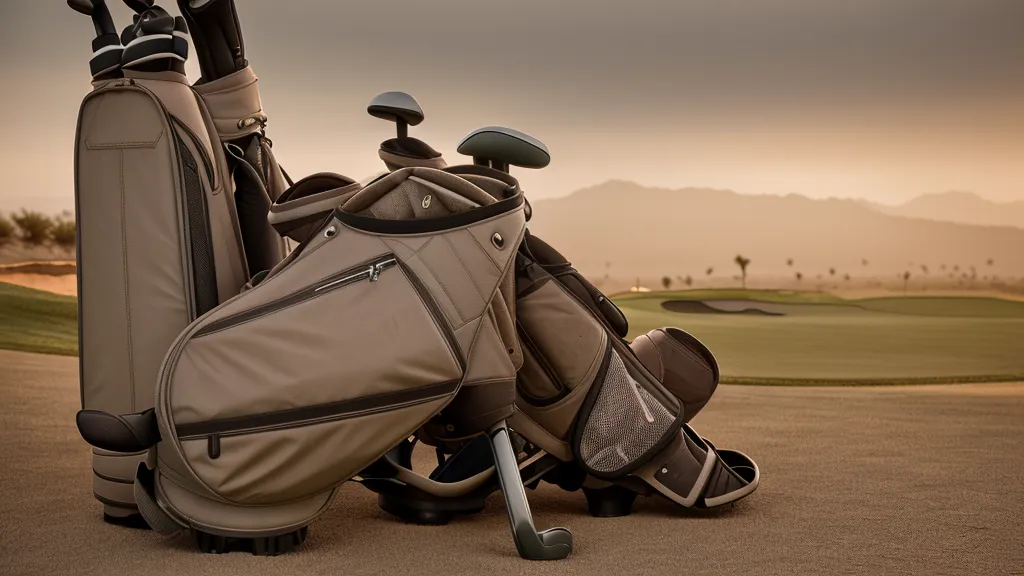
The 14-way divider is the detail nobody mentions until they've bounced across a sun-baked cart path with a full set rattling around a single sleeve. Each club needs to sit isolated or you get a chatter that eventually dings the finish on your irons. It's the same logic behind keeping a SWAG Golf Putter in its own dedicated slot; a milled head is a bad thing to leave clanging against a wedge for four hours.
Lightweight synthetic panels breathe better in the heat and keep an insulated pocket a little cooler, but they give up structural protection against cart vibration; heavy vinyl holds its shape under a cinched-down strap but turns into dead weight the moment you're carrying it from a trunk to a cart corral. The Titleist build sits in the middle: stiff enough to keep its shape, not so heavy it fights you on the walk from the parking lot.
Cold morning starts are the other stress test people forget. Cheap plastic zipper teeth get brittle and start skipping once the temperature drops; a molded track keeps gliding regardless of what the thermometer says. If cold, wet mornings are already part of your rotation, my notes on the Best Waterproof Golf Shoes for Early Morning Dew and Rain cover the same principle for what's on your feet instead of what's on your cart.
Bag Balance and Your Electric Caddy
Yes, and this is where the interchangeable-bag myth falls apart completely. I run the Alphard Golf Club Booster V2Pro to turn my push cart into an electric caddy on cooler days, and an electric frame puts entirely different stress on a bag than a rider cart does. Weight distribution stops being a preference and becomes physics: a top-heavy bag or a bag without a solid base amplifies whatever wobble is already built into the cart, and on a side-hill lie at Papago Golf Course that's the difference between a caddy that tracks straight and one that tips.
On the 14th at Papago, the frame dropped off that short downhill stretch and the bag never shifted on the mount; it stayed locked to the base while the wheels did the work of finding grip. That kind of stability doesn't happen by accident, and it's not something you can tell from a catalog listing. My handicap is parked at 14 right now, mostly because I still can't putt, but I've stopped losing strokes to gear that moves when it shouldn't.
Fifty Rounds Later: What Actually Held Up
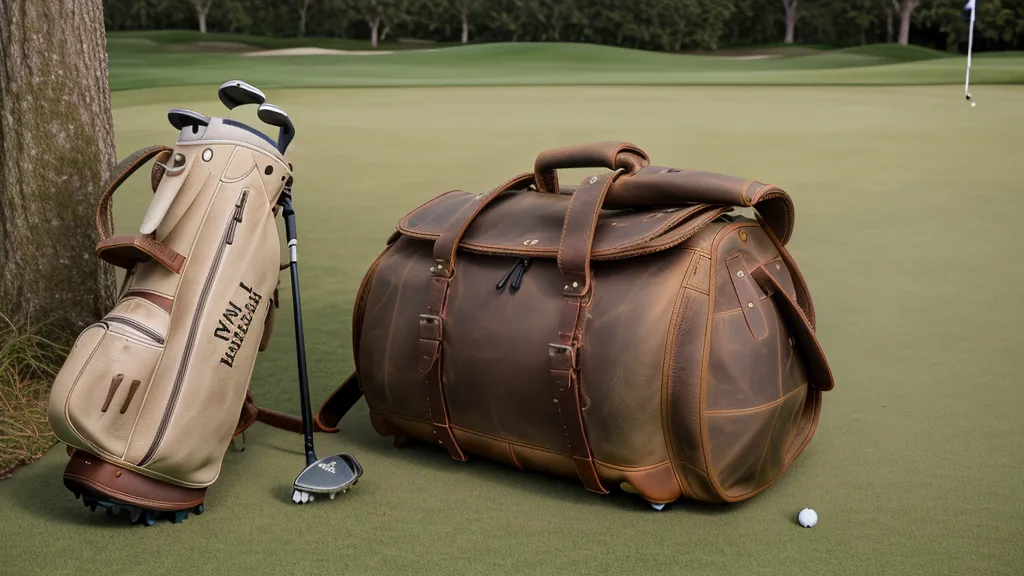
After roughly fifty rounds, the wear tells the real story, not the marketing copy. The Titleist bag shows some fading across the top cuff, but the structural integrity hasn't budged; pockets haven't sagged, and the cart-strap tunnel, a feature almost nobody shops for, has kept the abrasive rubber of the strap off the fabric entirely. Compare that to bags with trendy finishes that start to peel or crack once the temperature sits in triple digits for a stretch, and the myth about looks predicting lifespan falls apart fast.
The same principle holds everywhere else in the bag, it just shows up differently. Ball covers take their own beating off abrasive cart-path asphalt, independent of anything the bag is doing. A golf glove's tack fails on its own schedule once August heat and sweat get involved, and that's a separate story from an oversized putter grip losing its pressure at exactly the moment you need it steady. Swing speed matching for ball compression, iron forgiveness when you're moving off blades, and how many total ounces you're willing to carry with no cart at all are each their own decision, and folding all of it into 'is this a good bag' is exactly how gear reviews turn into noise instead of a usable answer.
Heat management is its own test too. A darker, heavy-vinyl bag can turn into a literal oven in direct sun, so I went with a lighter gray that shows dust more but stays cooler to the touch, worth remembering before a sleeve of balls comes out hot enough to cook an egg. If you're out there through the worst of midday sun, the Best Sun Sleeves for Golfers Playing in the Desert Heat notes cover the same heat-management logic for your skin instead of your gear.
Build the Setup That Survives the Valley
Stop shopping for whatever looks best in a filtered photo and start shopping for what treats your gear like an actual investment. A Titleist cart bag paired with a pair of FootJoy shoes carrying a real two-year waterproof guarantee is about as close to a buy-it-once combination as this game offers. Neither is flashy. Both are still standing when the trendy stuff has already dissolved in the sun.
Whether you're gaming a mallet or a blade, the Mallet vs Blade Putter debate is a separate rabbit hole from anything strapped to your cart; the 14-way top keeps either one organized just fine.
If you're ready to stop replacing a cart bag every single season, the Titleist Tour Standard line is about the closest thing to a buy-it-once purchase this sport offers. And if your knees are starting to feel the miles the way mine did back in 2020, the Alphard V2Pro is worth every mile it saves your legs. Go test the zippers yourself before the next heat wave rolls through the valley.