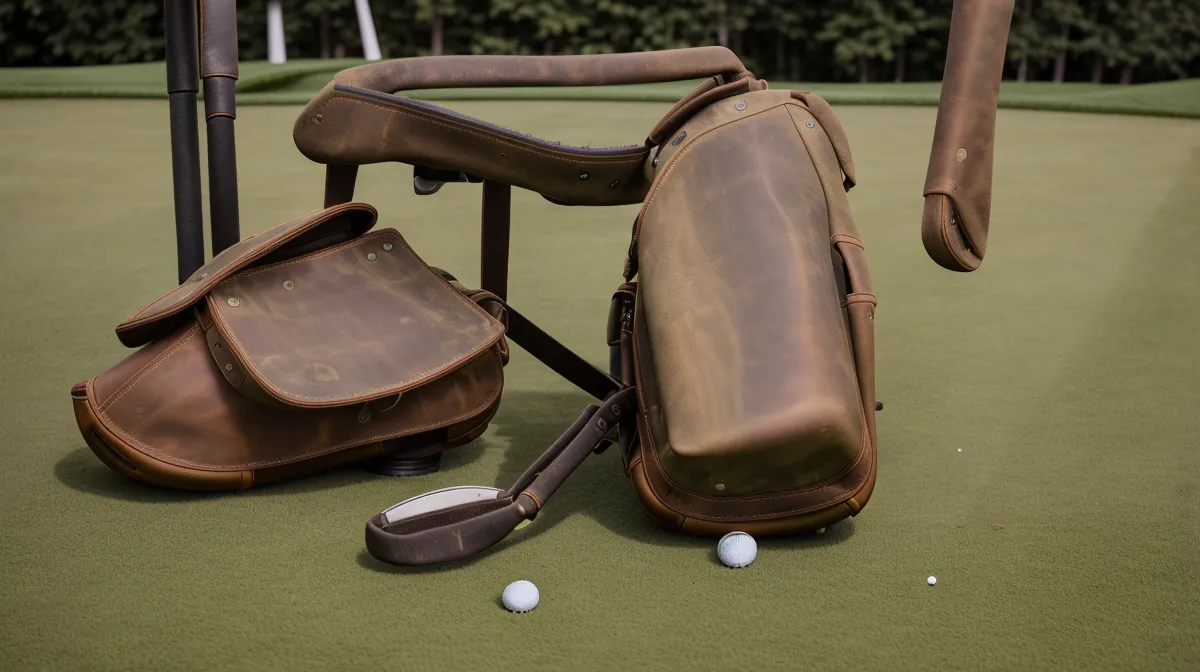
A soft insert forgives a bad stroke; a milled putter face reports it back immediately, and those are two very different tools despite looking similar in a bag. I spent years shopping for the forgiving kind before realizing forgiveness was exactly what wrecked my short game on public courses around Scottsdale.
Quick disclosure before I get into gear: a few links below are affiliate links, and if you buy through one I earn a small commission at no cost to you. I buy my own greens fees, I test on my own dime, and nothing here is a sponsored loaner.
A Blade Putter Almost Wrecked My Short Game
Two summers back I put a blade in the bag because half the pros I watched on Sunday afternoons carried one, and that felt like reason enough. It looked sharp in the shop, compact, exactly what a serious player should carry. Then I brought it to Kierland Golf Club in Scottsdale and turned in six straight rounds of three-putts, every single one of them. The blade wasn't the whole problem; the mismatch between that small head and my stroke was. Small misses on strike location were showing up as three extra feet of miss on the green, and I kept steering putts instead of releasing them. My friend Lonnie Gruber, who took up the game seriously a couple years ago and now texts me before almost every gear purchase, asked why I'd bench a putter that looked that sharp. I told him looking sharp and rolling true are two different products entirely.
Putting is the part of this game I obsess over because a knee injury ended my running days on the trails around Scottsdale, and I needed something to chase that wouldn't blow out a joint. A stroke you can actually measure, round after round, fit that need better than anything else in the bag. That's most of why the blade experiment stung; I wasn't just picking the wrong tool, I was ignoring data I already had in my own notebook about how my hands actually work.
Why a Milled Face Talks Back on Kierland's Greens
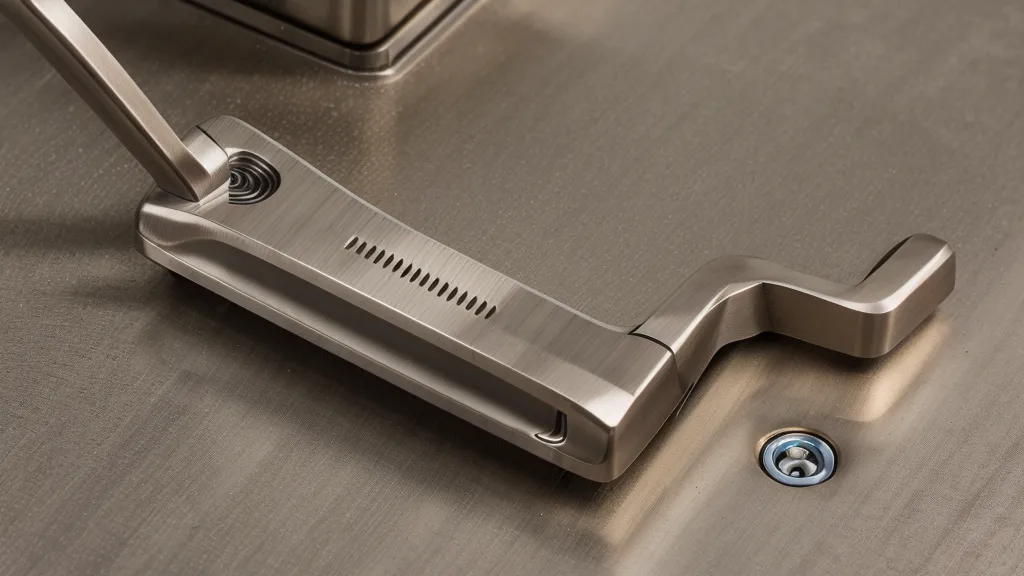
What actually pulled me out of that blade slump was a milled putter, and the difference showed up in sound before it showed up on the scorecard. A 303 stainless steel face makes a low, solid 'tock' against a premium ball that a mass-market insert can't fake; a cheap alloy or polymer face gives you a flat clack that tells your ears nothing useful. That sound is feedback, not decoration, and once my ears started confirming what my hands were doing, my lag putting on Kierland's greens got noticeably more consistent.
The Thumb Tingle Every Amateur Should Feel
Here's the part most gear write-ups skip: a milled face is honest to a fault. Catch a putt slightly off the toe and there's a distinct tingle at the base of your thumbs telling you exactly what happened before the ball has traveled six inches. A soft insert hides that same mistake; it just absorbs the vibration and lets you keep believing your stroke was fine. It's an immediate correction that forces you to actually fix your strike instead of blaming the green.
If your stroke is wildly inconsistent, that mallet vs blade putter for amateurs with inconsistent strokes question is worth settling before you spend real money on a milled blade; head shape there is mostly about how much the putter resists twisting on a mishit, which is a different question than the sound and speed control a milled face gives you. Grip matters too. A reader named Gord Szabo, a construction supervisor out of Chandler, emailed me a grip-thickness question so detailed it turned into an ongoing thread about wrist mechanics and grip pressure on the putter. Gord won't take a durability claim from me unless I attach a round count to it, so I don't talk grip diameter with him until I've actually logged enough rounds to back up what I'm saying.
SWAG Golf, and Everything Else Riding in My Push Cart
The putter I settled into is a SWAG Golf Putter. It's milled in the US in small limited runs, and because the drops are that limited, secondhand heads hold their value the way a well-kept truck does; if I ever swap necks or grip styles, I can usually move the old head for close to what I put into it. That resale angle matters more to a broker than it probably should, but it means the money isn't just walking out the door the moment I open the box.
Everything else riding along in the cart gets tested with that same round-count habit. A push cart needs to track straight and hold its line on Kierland's slopes instead of drifting toward the rough on a downhill lie. A stand bag has to stay light enough that strapping it to the cart doesn't just trade one kind of fatigue for another. Balls get judged on how the cover survives cart paths and hardpan lies, and on whether the compression actually suits a swing speed like mine instead of a tour player's. Irons get judged on launch forgiveness the same blunt way, and gloves either survive a full August round or they don't; plenty of them don't. None of that gets its own writeup here, but it all rides in the same cart, and I load it into my truck bed most mornings smelling like sunscreen and hot rubber before the sun's even up.
For the actual push cart motor, I run the Alphard Golf Club Booster V2Pro. It turns a manual cart into something close to a caddy, the battery holds up through a full 36-hole day, and the app lets me adjust speed and turning without fiddling with a physical dial. Mine drifted a little on uneven ground until I got the front wheel tracking balanced properly, which lines up with what a few other guys running it have told me too.
Shoes are the other piece I stopped cheaping out on. Cheap uppers fall apart fast on the hardpan waste areas that chew through soles on desert courses, so I stick with FootJoy now mostly for that two-year waterproof guarantee, and I've found the best waterproof golf shoes for early morning dew are the ones that actually shrug off heavy morning grass instead of soaking through by the turn. After one 36-hole Saturday at Kierland this spring, I pulled off my socks at the end of the day and realized my feet weren't torn up the way they usually were after back-to-back rounds; that was as much the shoes as anything happening in my hands.
Seven Weeks Later: What the Scorecard Actually Showed
Seven weeks into playing the milled SWAG regularly, my putts-per-round number had dropped enough that I noticed it without checking the notebook first. Nothing dramatic; I'm still a 14-handicap and I still leave putts short when I get lazy with speed control. But the three-putts that showed up in bunches during that blade stretch had thinned out to one or two rough holes a round instead of six ugly ones in a row. The lesson I'd hand anyone rotating through putters the way I have: stop shopping for a head that hides your mistakes and start shopping for one that reports them honestly, then give yourself a real stretch of rounds, not one good range session, before deciding whether you can live with what it's telling you.
If your current putter is lying to you the way that blade lied to me, it's worth checking the milled lineup from SWAG Golf the next time a drop opens up, or at least borrowing a milled putter from a buddy for a full round before you buy anything new.