
Spiked golf shoes bite into hardpan like cleats grabbing turf; spikeless soles trade that bite for airflow, and on a desert double round the shoe that wins isn't the one with the most grip on the first tee. Twelve miles on foot at Las Sendas Golf Club in Mesa, back-to-back rounds, sun flat overhead by the turn, and I've tested both builds long enough to know which one gets you to eighteen still moving well. I'm based a short drive from Scottsdale, Arizona, and the Scottsdale golf crowd asks me some version of this walking golf shoes question every summer; most equipment reviews never make it past round three, so here's mine after fifty-plus. Some product links below send commerce my way; buy gear through one and I earn a commission at no extra cost to you, and none of what follows is a sponsored loaner.
Spiked vs. Spikeless: The Hardpan Tradeoff Nobody Explains
Heat does something to feet most shoe reviews skip entirely: they swell, and by the second loop of a desert double round a shoe that fit fine in the morning is squeezing by two rounds in. Firm ground compounds it. Las Sendas plays closer to a sidewalk than a fairway most of the summer, and hard ground like that doesn't need plastic spikes digging into it. Surface area matters more than depth once the turf gets that firm.
Thermoplastic polyurethane lugs spread contact across the whole sole instead of concentrating it in six or seven points, and that's most of why my knee stopped filing daily complaints once I switched off spiked shoes for walking rounds. Anyone dealing with a similar joint issue should look at how arch support changes pressure through eighteen holes too; I put my notes on that in the Best Golf Shoes for Walkers with High Arches after chasing the same problem for a full season.
Why Spikeless Shoes Run Cooler on a Desert Double Round
Ventilation is the whole story here. A solid-sole premium shoe with a big footprint holds heat coming off the grass the way asphalt holds heat after sundown; it turns into a small heat sink strapped to your foot. An open-grid spikeless outsole lets that heat escape instead of banking it, which is the difference between a shoe that's still comfortable at hole thirty and one that isn't. My handicap sits at 14.2 most months, and it trends the wrong direction fast once my feet start dragging, so a shoe that keeps me moving well into the back nine is worth more to my scorecard than one that just grips harder on a stationary tee shot.
Does the FootJoy Spikeless Line Actually Survive 50 Rounds?
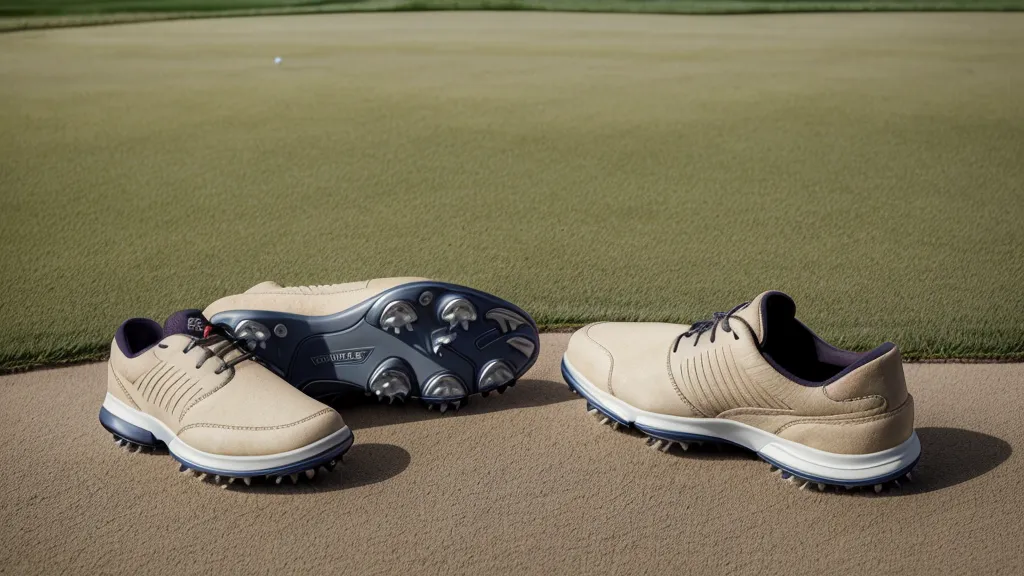
Fifty rounds is the bar I set before I trust any shoe review; dust, cart-path scrapes, and the occasional mud hole all have to be part of it. My primary test subject for this piece was the FootJoy spikeless line. Every pair that finishes its rounds goes back onto a shelf in my garage, where a running tally in marker on the cinder-block wall tells me exactly how many rounds a sole has under it before I write anything down; the low sun through the one west window in there by mid-afternoon is the best light I've found for spotting where a sole's wearing thin. On the numbers, the open-grid outsole stayed roughly ten degrees cooler against my foot than the flagship leather models, which is what an open pattern should do against a solid one.
Traction is where most reviews stop being specific, so here's the number I actually watch. Spikeless lug rubber wears down with hardpan mileage, and past roughly forty to sixty rounds on hard cart paths, grip on a side-slope lie starts dropping off compared to a spiked shoe of the same age, even when the tread still looks fine from a few feet away. Rubber nub height, not tread pattern, is what to check before trusting an old pair on a sloped lie. The bigger surprise was the waterproof membrane holding up through all that mileage. A breathable shoe is usually about as waterproof as a screen door, but the mid-tier spikeless option here still carries a two-year guarantee, and it got me through a wet morning of puddles and soaked rough without my socks knowing the difference. Anyone chasing wetter, cooler-morning conditions more than heat should compare notes against the Best Waterproof Golf Shoes for Early Morning Dew and Rain instead, since that's a different priority than a summer double round.
Comparing the $250 Premium Build to the $160 Spikeless Build
Premium spiked shoes running around $250 build in a much larger ground-contact footprint, and on paper that reads as stability. In practice it also reads as a heat sink, trapping thermal energy coming off the grass instead of shedding it. My fatigue numbers were consistently lower in the $160 spikeless models across the same courses and the same heat; lighter weight plus better airflow is most of that difference, and I wasn't dragging my feet down the stretch the way I was in the heavier pair. Traction itself isn't a fixed spec so much as a wear curve: lug patterns round off over a season of hardpan walking, so you're trading grip against all-day comfort across 36 holes rather than picking whichever number wins on a spec sheet. On dry, firm desert turf the spikeless grip held up fine; the only place it gave anything back was a wet, sloped bunker lie, and even there it wasn't dramatic. There's also no real break-in period, which is rare for a shoe with any waterproofing at all, and at $160 it costs meaningfully less than the flagship line while doing more of what actually matters on foot.
What Else Belongs in a 36-Hole Walking Setup?
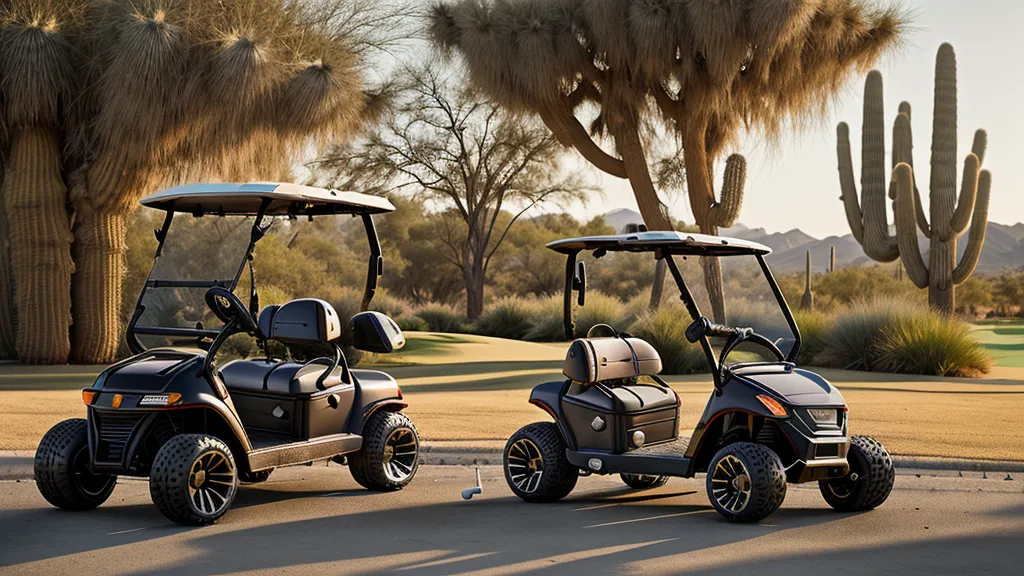
Shoes are only half the equation when you're walking twelve miles at Las Sendas. I run the Alphard Golf Club Booster V2Pro to turn a manual push cart into something closer to a remote-controlled caddy, and taking that weight off my shoulders and knees is the only reason I can still play 36 in a day. The battery covers a full 36 holes on one charge, though the front-wheel tracking can drift on uneven ground until the load on the cart is balanced right; it's a five-hundred-dollar investment that's paid for itself several times over in years of walking I wouldn't otherwise get. Push cart stability matters just as much as anything on your feet, since a cart that fights you on a downhill lie undoes whatever grip advantage your shoes gave you, and that's really its own separate breakdown beyond what fits here. Total weight sitting in the bag, even once the cart is doing the pushing, still adds up across twelve miles on foot, so I keep mine lean rather than carrying clubs I use twice a season.
Inside the bag I keep the variables low. Titleist Pro V1 balls give me a consistent spin rate late in the round when I'm tired and my strike gets sloppy; matching ball compression to how your swing actually behaves by hole thirty is a different conversation than matching it to a launch monitor number. On days my swing feels like a work in progress I'll swap to Vice Golf balls instead, which get close to the same feel for less money. Cover durability against granite cart paths is its own rabbit hole, and I learned that one the hard way; a stretch of low-compression balls I ran through a few seasons back got gouged almost every time they touched the cart path edges at Las Sendas, badly enough that I could see the scuff from the cart. Even squinting through glare off that fairway, I can still pick out a Pro V1's yellow-tinted cover sitting up in the first cut from eighty yards out, which tells me more about the ball than about any shoe.
Rounding Out the Bag: Putter and Grip Choices Under Fatigue
The SWAG Golf Putter is the one club I don't rotate. The milled 303 stainless steel head stays stable when my legs start shaking late in a long day, and a head shape that's easier to keep square through impact matters more than any of us want to admit once fatigue sets in; that's the same logic behind picking a mallet over a blade when your stroke gets inconsistent under tired hands. I dug into that comparison in the Mallet vs Blade Putter for Amateurs with Inconsistent Strokes if late-round stability on the greens is your actual problem. Grip pressure creeps up right alongside foot fatigue too, which is a separate rabbit hole I won't fully open here, but it's worth noticing if your putts start missing short late in the round. It's the same principle that pushed me out of blade irons and into a more forgiving head a few years back; equipment that fights you burns you out faster than equipment that doesn't, whether it's on your feet or in your hands.
Keeping Hands Dry and Feet Cool Through the Back Nine
Hands become as much of a problem as feet once you're past hole thirty in Arizona summer heat. Rotating gloves through the back nine is the only reliable way I've found to keep grip pressure consistent instead of guessing at it, and I keep a running list in the Best Golf Gloves for Sweaty Hands in Desert Heat Conditions for exactly this problem; how long a glove actually lasts in that kind of heat is its own separate question from how it feels fresh out of the package, and it deserves more room than a shoe review. Hank Viteri, my regular Wednesday game, asked me almost this exact shoe question after his own pair started slipping near the heel on a hot afternoon; he plays a 17-handicap like a 9 whenever there's real money on a hole, so watching him lose confidence in his footing instead of his stroke told me the shoes were the actual problem, not his swing. A reader named Alma Vickery emails me more heat-specific gear questions than anyone else on my list, and she asked almost the same thing after noticing her feet were swelling by the back nine even in a spikeless pair; the honest answer is that no shoe stops the swelling, it just decides how much that swelling costs you in comfort by hole thirty-two.
Field Notes Verdict: The Spikeless Golf Shoes I Keep Buying Again
For a walker who cares more about longevity than looking tour-ready, the mid-tier spikeless FootJoy line is the one I keep going back to for 2026. It handles a 100-degree afternoon without turning your feet into a swamp, carries the same two-year waterproof promise as the expensive shoes, and does it with better airflow. These stay in my trunk because I know exactly what they'll do by round fifty, not just round one. If you're chasing 36 holes in real Arizona heat instead of a cool spring morning, that's the tradeoff worth making; the shoe alone won't fix a bad wrist release or a five-putt bogey, but it will stop your feet from being the reason your second round falls apart before the back nine even starts.