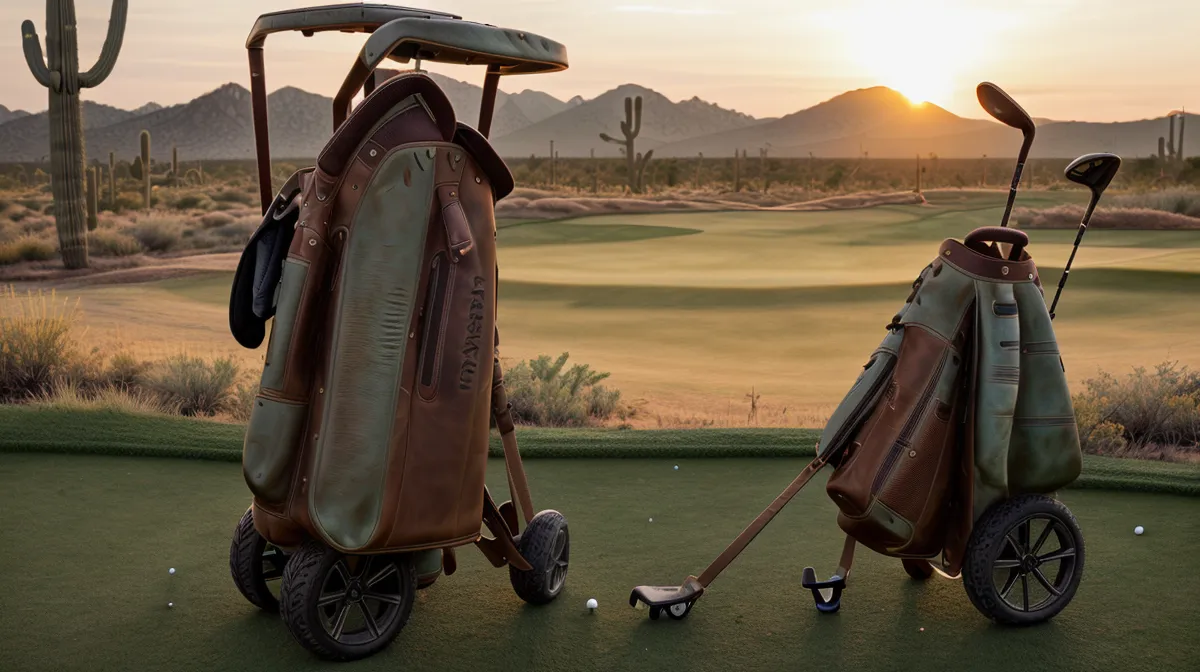
Three gloves. That's how many live in my push cart on any Phoenix round once the forecast clears the triple digits, and that number answers the golf gloves for sweaty hands question better than any single product recommendation could. Desert golf punishes hand gear in a way courses in wetter climates never do; Cabretta leather starts losing its tack by the middle holes, not the back nine. A rotation, not a better single glove, is what actually holds up through eighteen holes at Papago Golf Course in July.
A quick disclosure before the mechanics: I earn a commission on some of the links below, and it costs you nothing extra either way. Nothing here made the list because a brand mailed it to me; every glove mentioned got tested through actual rounds in actual desert sun, tracked in the same notebook I use for every other piece of gear. Full details live in the Editorial Policy.
Summer Gear Reality: Why Cabretta Leather Gives Out First
Humidity in Scottsdale and the rest of the valley sits in the single digits most summer afternoons, which is exactly the condition that kills Cabretta leather fastest. Sweat soaks into the hide and carries salt with it; the bone-dry air pulls the moisture back out almost as fast as it went in, but the salt has nowhere to go. It stays lodged in the fibers, and the leather stiffens around it. By the back nine a glove that felt like a second skin on the first tee starts to feel like stiff cardboard, and once that happens the tackiness is gone for good; no amount of conditioner brings it back mid-round.
Before I landed on rotation as the actual fix, I chased a different lead entirely. I swapped in a lightweight stand bag with legs too thin to hold themselves up once the fairway pitched downhill at Papago, on a theory that fighting an unstable bag mid-round was somehow the thing wrecking my grip. It wasn't. That bag went back in the garage inside of a season and my hands were exactly as slick as before; the problem was never balance. It was salt, every time.
The Three-Glove Rotation, Hole by Hole
Once I accepted that no single glove survives eighteen holes, the fix got simple: carry three, swap every three holes, and let the other two dry in the shade on the cart. One is on the hand, two are hanging off the push cart frame catching whatever breeze exists. The material never gets the chance to fully saturate, which is the whole ballgame. On the 14th at Papago last summer, mid-swing, I noticed my grip hadn't shifted at all through the transition; that used to be the exact spot where an old glove would start twisting under my hands, and this time it just held.
Lonnie Gruber, a longtime acquaintance from commercial contracting circles, took up the game seriously about two years back and texts me gear questions before almost every purchase now; last month it was this exact rotation he wanted explained. I told him what I'll tell you: pair it with Best Sun Sleeves for Golfers Playing in the Desert Heat so sweat isn't running down your forearm and re-soaking the glove from the wrist down. Keeping the cart itself stable on these slopes is a separate problem with its own answer, but it matters just as much as what's on your hand.
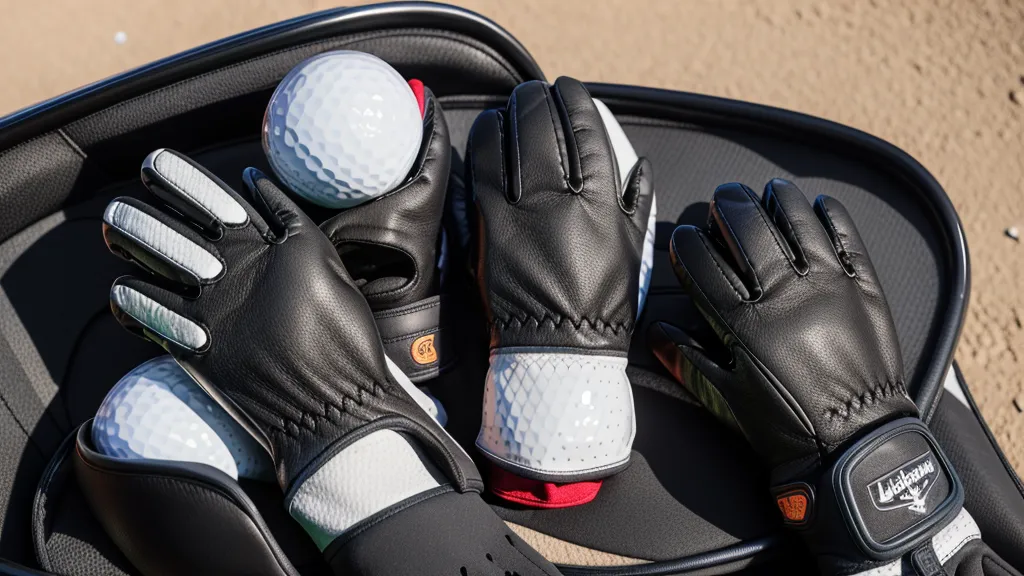
What Actually Held Up: WeatherSof, Duro, and Players Flex
FootJoy's WeatherSof is the one I reach for most. It only uses leather where you actually need feel, at the thumb and palm patch, and builds the rest out of a synthetic FiberSof material that simply refuses to turn into a salt-crusted cracker the way a full leather glove does. It doesn't stretch out of shape once it's wet either, which is where a lot of premium gloves fall apart.
Vice Golf's Duro is the value pick: full synthetic, no leather smell at all, and it stays tacky even when sweat is genuinely dripping onto the grip. A reader named Gord Szabo, a construction supervisor out in Chandler, emailed me about this exact glove a while back, and the way he framed his question stuck with me. He didn't care how it felt on the first swing; he wanted a round count before trusting any durability claim. Fair enough. That's a different question from which ball actually survives our courses; the Most Durable Golf Balls for Desert Courses with Hard Scrape Areas conversation is its own topic entirely.
Titleist's Players Flex is the compromise if you're not ready to give up leather entirely. Satin reinforcement at the cuff and thumb holds up to moisture noticeably better than a standard glove, though I still save it for early rounds before the heat really turns on. It won't outlast a full synthetic once the thermometer hits its peak, and that trade-off is worth knowing going in. Matching a ball's compression to your swing speed is a whole separate decision, same as picking irons forgiving enough for off-center strikes; neither one has anything to do with what's on your hand.
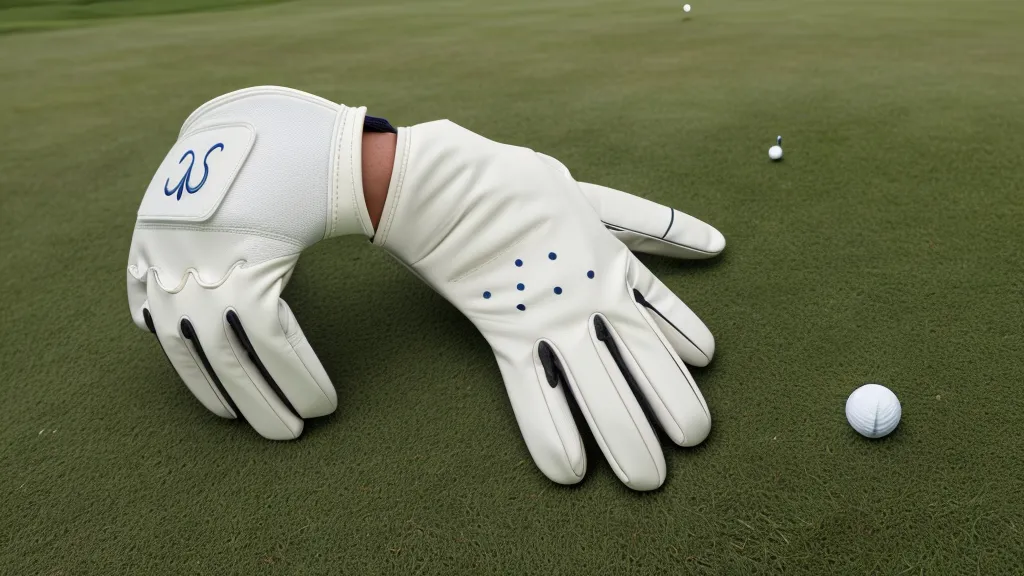
Comparison: Heat Performance and Longevity
| Glove Model | Material | Longevity (Rounds) | Wet Grip |
|---|---|---|---|
| FootJoy WeatherSof | Hybrid Synthetic | 20-25 | Excellent |
| Vice Golf Duro | Full Synthetic | 15-20 | Best in Class |
| Titleist Players Flex | Leather/Satin | 8-10 | Good |
Round counts in that table come straight out of my own notebook, not a spec sheet; they're the number of rounds each glove lasted before losing tack or splitting at a seam. A 14 handicap doesn't leave much room for equipment failure, so I track this stuff closer than most people probably should.
Getting More Rounds Out of a Synthetic Glove
Washing a synthetic glove in cold water and letting it air-dry in shade, not sun, adds several more rounds before it gives out; try that on a leather glove and you'll end up with something closer to cardboard than golf gear. Grip pressure matters here too. The SWAG putter I carry has a faint tick I can feel through my palm at address, like a loose chip of stone shifting somewhere inside the head, and how tightly I'm gripping changes how much of that vibration actually reaches my hand. Putter grip thickness, how forgiving the head is on a mis-hit, how your shoes grip hardpan waste areas, and how much your bag weighs by the back nine if you're walking it are all separate rabbit holes from glove material, but they're part of the same summer setup.
Which Glove Fits Your Round?
If you're teeing off early before the heat peaks, lean toward the Players Flex for feel; leather still wins when the air hasn't turned into an oven yet. Once the thermometer climbs past the point where any leather survives, WeatherSof or Duro is the call, and carrying more than one of either is the actual answer, not a better single glove. My own bag right now runs two WeatherSof and one Duro, rotated every three holes regardless of how the round is going. Pick whichever combination fits your rounds, but build the rotation before the temperature forces the decision for you; a dry hand on the back nine is worth more than any single glove's price tag.