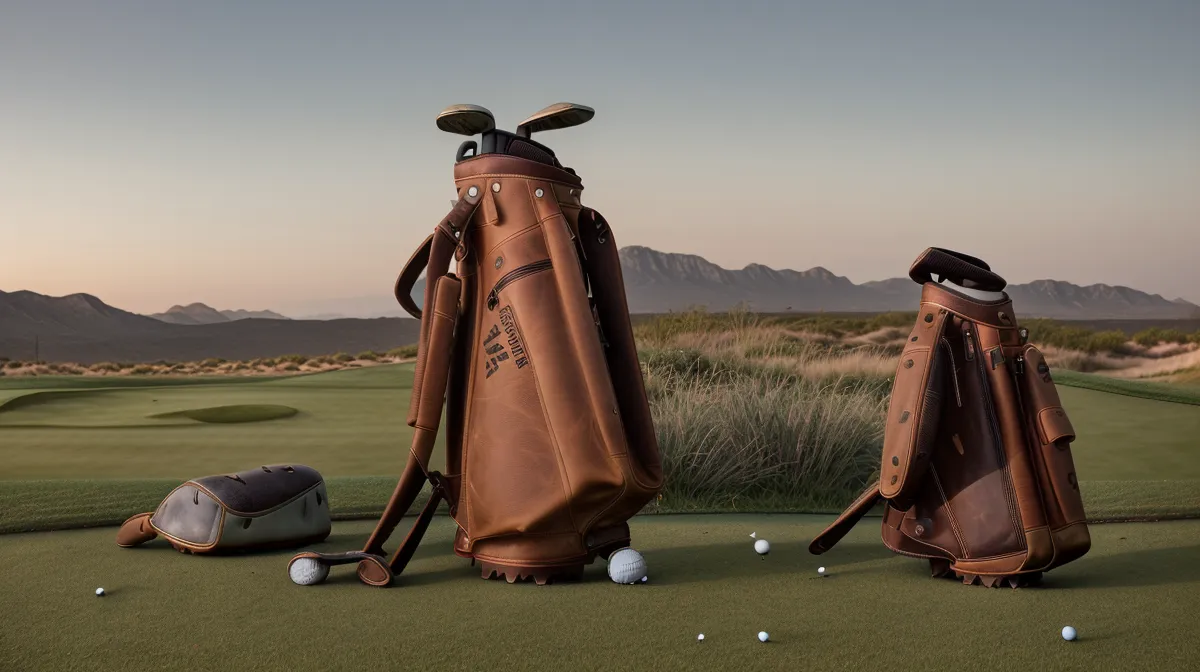
After a dozen pairs of spiked golf shoes, all logged in the same beat-up notebook I log every round in, the answer became clear: stop blaming your grip on a bad round and start blaming your feet. I confirmed that at Talking Stick, standing over sun-baked caliche that behaves more like poured concrete than dirt once July gets going. This is the shoe question I get asked more than any other from readers chasing desert golf traction that actually holds, and it's also the golf gear review I put off writing longest because I was sure spikeless was the smarter answer.
Quick disclosure before the mailbag: a few links below send a small commission my way if you buy through them, at no extra cost to you; that's how this site stays free of press kits and loaner units. Every opinion here comes from gear I bought and wore through actual rounds, logged the same way I log yardages and putts. Full testing notes live on the Editorial Policy page if you want the receipts.
Spikeless Nubs Wear Down Faster Than the Ground Does
Play enough rounds around Scottsdale, Arizona in peak summer and you learn that hard-packed is a polite way of saying the turf has turned to crust. The ground doesn't just firm up under a hundred-plus days; it bakes into something closer to a parking lot with grass markings on it. Spikeless shoes look like the obvious answer on that surface, since the molded rubber lugs cover more square inches of sole than a handful of metal points ever could. What actually happens after enough rounds is different: those lugs are soft rubber, and desert sand and caliche grind them down the way a belt sander eats a work boot heel. Once the edges round off, you're not wearing a traction shoe anymore; you're wearing a smooth-bottomed sneaker that happens to look like golf gear.
That's the part the traction question always misses. Grip on this ground isn't about surface area; it's about whether something can actually bite into a crust that won't give. A worn spikeless lug can't do that no matter how wide it is, and a rigid plastic spike that refuses to flex can't either, since it just skates across the top the same way. The shoes that hold up out here combine metal or hard composite spikes with a secondary lug pattern around them, so there's always something finding purchase even when the top layer of ground is baked solid. I went back to a spiked setup after one slip too many sent a jolt through the knee I had rebuilt in 2020, and traded a season of complaining about spikeless durability for something that still bites after fifty-some rounds.
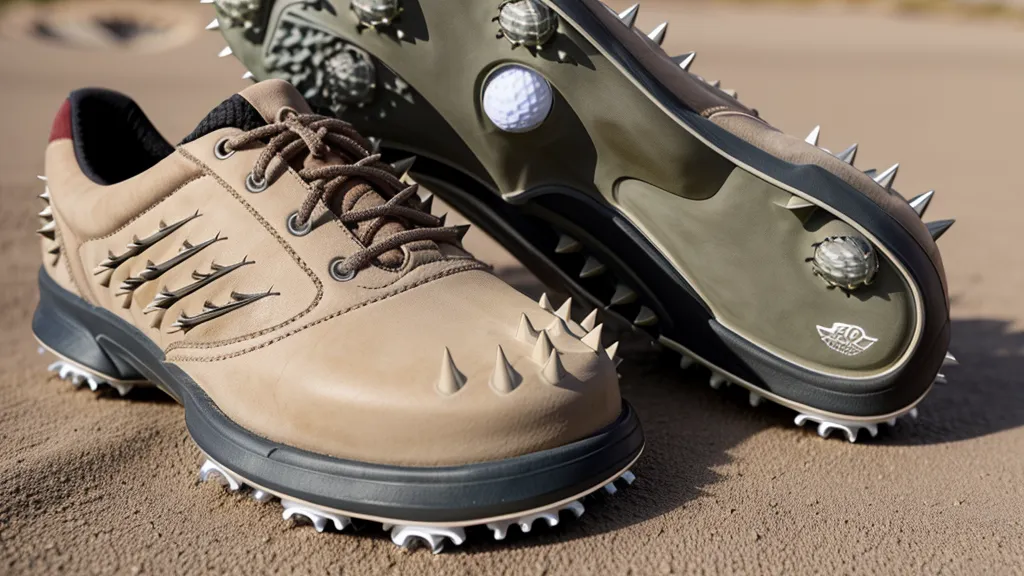
Do Spikes Actually Grip Sun-Baked Fairways?
Short answer: the right spikes do, and it took me most of a season to stop assuming spikeless was automatically superior. Once the ground told me otherwise, I circled back to a brand that's been a fixture on the PGA Tour for seven decades: FootJoy. Not because tour players wear it, since none of them are walking this ground in triple-digit heat, but because the spiked lines still use a replaceable cleat system that a worn-out spikeless shoe simply doesn't offer. If you want the deep dive on how the spikeless side of this brand's lineup holds up over a summer of walking, I already wrote up the Best Spikeless Golf Shoes for Walking 36 Holes in Heat; this piece is about the spiked side of that same closet.
Premier or Pro/SLX: Which Spiked Shoes Handle Real Desert Rounds?
I spent a stretch from late summer through the following spring testing the FootJoy spiked lineup, specifically the Premier Series and the Pro/SLX, side by side across rounds in the valley. The comparison landed on the structure of the outsole more than anything else. Swinging a club on ground that refuses to give sends all that lateral torque somewhere, and if the shoe is too soft, your foot rolls loose inside the upper; too rigid, and it can't mold to the lumps and dips that pass for fairway out here. FootJoy found a middle setting that works for a 47-year-old frame that's already had one joint rebuilt.
The Premier Series wears like a good pair of work boots: stiff out of the box, then it breaks in and holds up in a way mesh shoes never do. Most of the flagship line carries a two-year waterproof warranty, which is more than Arizona rain ever demands of a shoe, but it tells you something about how the leather is built. That leather also shrugs off valley dust and grit far longer than synthetic uppers, which start cracking after a few months under direct UV. I still pair mine with a set of Most Durable Golf Balls for Desert Courses with Hard Scrape Areas, since shoes surviving the rough doesn't help if the ball you hit into it comes back scarred.
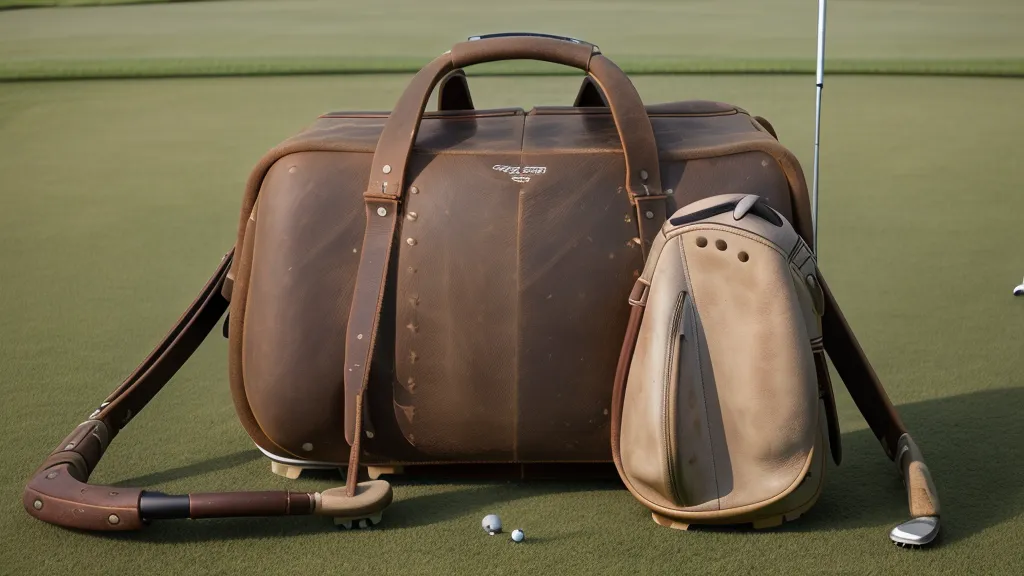
Frost mornings are rare, but that's where the Pro/SLX setup proves itself first, and the same shoe covers the far more common bone-dry afternoon too, since it rings the spikes with a molded traction pattern that fills in whatever gaps the metal leaves. I dropped the harder ceramic spike option entirely after a round where it felt like walking on gravel instead of grass; great for softer turf somewhere else, wrong tool here. One side effect worth mentioning: my Best Golf Gloves for Sweaty Hands last longer now too, since I'm not white-knuckling the club to make up for feet that used to slide.
The Reader Mailbag on Everything Else in the Bag
Alma is a reader who emails often enough that I recognize her name, and who's said more than once that these reviews have kept her from a couple of bad purchases. She asked recently whether spikeless would hold up fine through a Phoenix summer or whether she needed to go back to metal. My answer was the same one above: it depends on how many rounds are already worn into the tread, not on the shoe being spikeless or spiked in theory.
Push carts came up too, though that one's my own confession rather than hers. A bargain aluminum model I bought used wobbled bad enough to nearly tip on every downhill at Talking Stick before I gave up on it and moved to something sturdier. Cart wheel stability is its own rabbit hole, and it's the same lesson as a shoe losing its bite: you don't notice the problem until you're fighting it every step instead of walking.
Hank, my Wednesday morning game and the one guy in our group who can point you to the nearest working water spigot on any public course in the valley, took one look at my spikes at Talking Stick and asked why I'd gone backward. Other reader questions land in the same inbox on a regular rotation and get a short answer instead of a full write-up: putter grip pressure changes the moment your palms sweat by the back nine, so grip diameter matters more than brand name; a stand bag's actual weight on your shoulder matters more once you're walking instead of riding a cart; ball compression should match swing speed before it matches whatever the pro shop is pushing that month; a mallet putter forgives a shaky stroke better than a blade does for most weekend players; and anyone finally moving out of blade irons should weigh the decision toward forgiveness on mis-hits over a touch of extra shot-shaping control.
The Scorecard Backs Up the Notebook
None of this matters if it doesn't show up on the card. My handicap sits around 14 these days, and it doesn't move much no matter what's on my feet, but the feel of a round changes completely once traction stops being a variable. Standing over a 22-foot lag putt on the 9th at Talking Stick, I noticed my forearms weren't locked up tight the way they get when you're bracing against ground that might slide out from under you; my feet were just planted, and the putt got the read it deserved instead of a defensive stab.
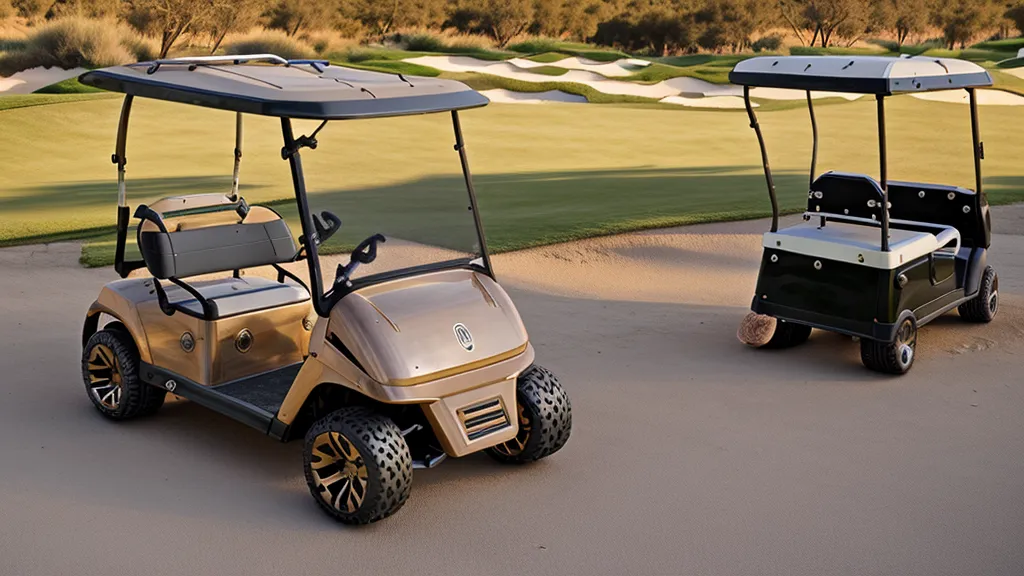
I still carry a Titleist bag full of gear I'm constantly swapping in and out, and I've started running an Alphard Golf Club Booster V2Pro on the push cart that finally replaced the wobbly aluminum one, which takes another load off the knee before the shoes ever get involved. None of that changes the math on traction, though; it just means the rest of the bag stopped fighting me at the same time the feet did.
Give the Spikes Another Shot
Skip the trendiest spikeless shoe on your feed if you're fighting the same slide I was, and look instead for a structured leather upper paired with a replaceable cleat system. The FootJoy Premier and Pro/SLX lines are still what I reach for, and swapping the spikes out every twenty rounds or so is the only maintenance that actually matters here. Once the cleats go dull, you're just wearing an expensive sneaker that happens to lace up like a golf shoe, and no amount of desert charm makes that trade worth it.