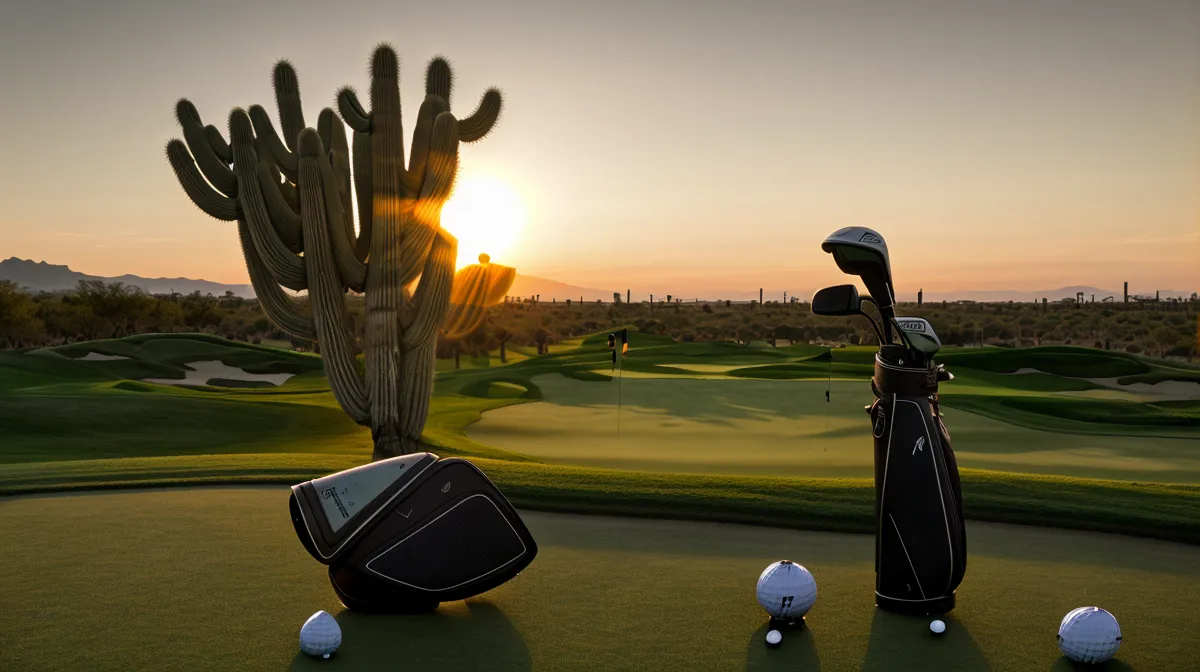
The flag on the 7th at Raven Golf Club, out past the wash near South Mountain, won't hold still in the viewfinder no matter how hard I brace my elbow against my ribs. Three tries put the number somewhere between 162 and 171 yards, and the one I actually trust is probably stuck in the middle. Heat does that to a grip after enough holes; so does carrying more bag than you need to.
Quick disclosure before anything else: a few links below are mine, and if gear gets bought through them I earn a small commission at no extra cost to the buyer. Every pick in here came off my own cart after real rounds, not a sponsor's loaner box, and the testing notes sit in the Editorial Policy for anyone who wants the long version.
Golf wasn't the plan until a knee injury ended my morning runs back in 2020, and the notebook habit started right after; every yardage, every ball brand, every grip swap gets logged. Call it a 14 handicap with putts creeping toward 31 a round on an average day, which is to say this comes from someone who still misses plenty, not from a teaching pro.
How Much Magnification Actually Helps a Shaky Grip?
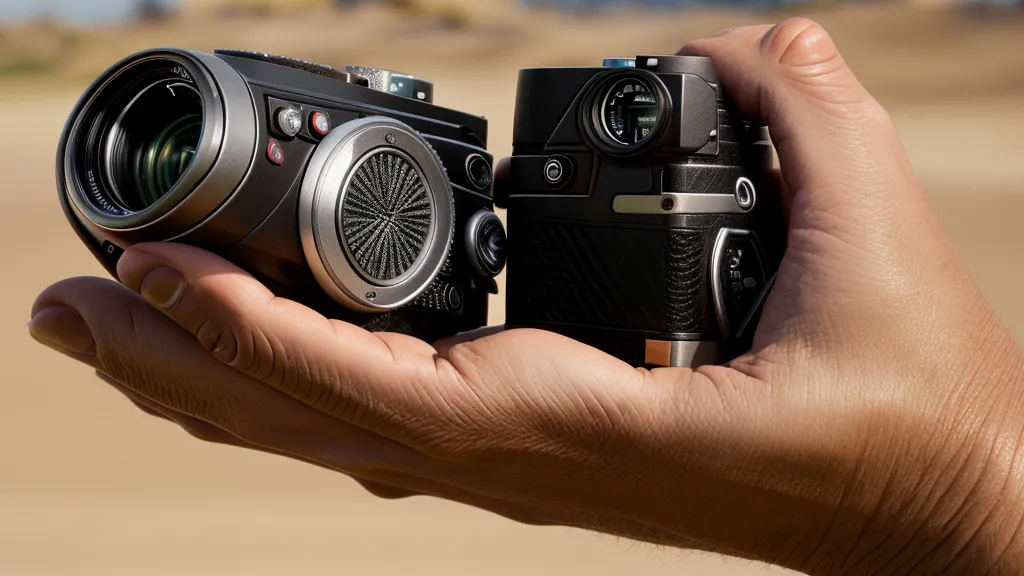
Most guys assume more magnification is automatically better, the same logic that sells four-wheel-drive trucks nobody takes off pavement. A 7x or 8x rangefinder narrows the field of view enough that every twitch in a thumb reads like a small earthquake through the lens, and picking one flag out of a background of saguaro and brush gets harder, not easier, as the number climbs.
Six times magnification keeps showing up as the workable middle ground for anyone whose hands aren't rock steady. It's enough reach to read a number at 200 yards and still wide enough that the pin gets found before the laser ever engages. Think of it the way you'd think about a daily-driver pickup against something low and twitchy off a showroom floor; the wider stance just rides steadier over the long haul.
The Energy Budget Behind a Steady Reading
Shaky hands on the back nine are usually a fatigue problem wearing a golf glove. A heavy cart bag had my shoulders aching by the 12th hole on every walking round for most of a season, long before the rangefinder ever came out of my pocket. Bag weight deserves its own research before anyone blames the optics for a number that won't settle.
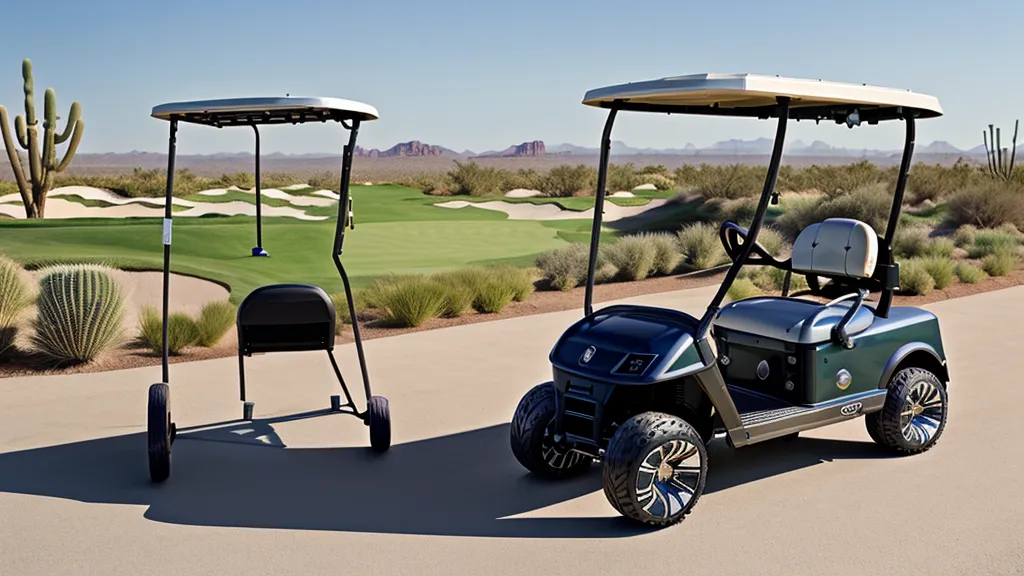
Switching to an electric assist changed that math more than any lens upgrade did. The Alphard Golf Club Booster V2Pro turns an ordinary push cart into something that handles the climbing, and I put together a full guide on how to maintain the Alphard Club Booster V2Pro once it earned a permanent spot in the trunk. Battery life is rated for 36 holes on one charge, enough for a long weekend double round without a midday scramble for an outlet. Manual push-cart stability is worth comparing against the electric jump too, since not everyone needs the motor to solve the fatigue problem.
The brake lever gives one sharp metallic click whenever it's set on a cart path, and the first time that click actually mattered was coming off the 15th at Raven, a steep downhill where a cart used to want to run off on its own. This time it held the line all the way down without a fight over the handle.
A friend of mine solves the fatigue question differently and gets his cardio in through pickleball doubles three mornings a week at Scottsdale Ranch Park. Eighteen walking holes is where mine comes from, so saving the legs for the back nine is the entire point of the cart in the first place. Sweat inside a cheap glove undercuts grip confidence the same way a heavy bag undercuts shoulders, which is a separate rabbit hole worth its own look before the rangefinder takes the blame.
High-Contrast Targets Lock Faster Through the Lens
Target locking isn't only about the rangefinder; it's also about what the lens is pointed at. Everything in the desert runs the same shade of sun-bleached cardboard, which makes a white ball disappear against dry brush at 200 yards. Rotating between Vice Golf balls and the classic Titleist Pro V1 settled which one the eye finds faster through the glass; trying to tell a 388-dimple Pro V1 from a higher-flying, 348-dimple Pro V1x by squinting isn't a great use of the few seconds before an arm starts to tire.
Good optics should cut glare on their own, but a ball that already pops against sand and granite gets the brain to a lock faster, which means less time with an arm extended and less time for a tremor to build. The Vice Golf Pro Plus in neon lime has been the closest thing to a shortcut for late-afternoon rounds when the sun sits low and flat. Anyone losing sleeves of balls in the desert brush on a regular basis will get more out of the separate list of best Vice golf balls for amateurs than out of anything here. Cover toughness off granite cart paths and matching compression to a moderate swing speed are both worth tracking on their own, separate from how fast the eye finds a ball through a lens.
Build Stability From the Ground Up
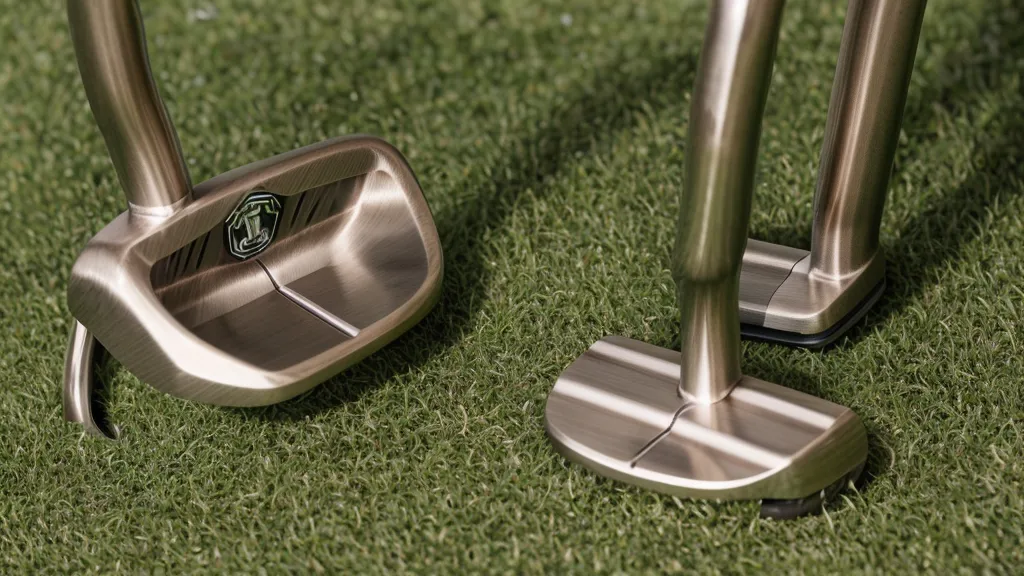
Locking a number on the rangefinder only solves half the problem if the putter afterward can't hold a line just as steady. The SWAG Golf Putter has stayed in the bag through that test. It's precision-milled from 303 stainless steel, built around a 17 to 19 percent chromium composition, and the feedback through the face sits closer to an old leather wallet than to anything flashy; it simply fits the hand. Grip pressure probably matters more than head shape for most mid-handicappers chasing a stable stroke, though a forgiving head covers for an inconsistent one, and the distinctive SWAG headcover is a small bonus for anyone who dings heads tossing bags into a trunk.
Full numbers from fifty rounds with it live in the SWAG Golf putter review for anyone who wants the scorecard instead of the pitch. Stability starts lower than the putter face, though. FootJoy handles that end for me, and the FootJoy Pro/SLX write-up after a wet spring here covers how much lateral support changes what the lower body does on a sidehill lie. Traction on hardpan desert waste areas is a related but separate question from lateral support around the knee, worth researching on its own before buying shoes off a rangefinder article's say-so.
None of this replaces a decent rangefinder, but all of it decides whether hands stay steady enough to trust the one already in the bag by the back nine. Favor something closer to 6x magnification over a bigger number on the box, protect energy with gear that does some of the walking, pick a ball the eye finds fast, and build a stance under it all that doesn't wobble. The notebook keeps saying the same thing round after round: less fatigue plus gear that works together beats any single spec printed on a rangefinder's box. Current setups from Alphard Golf are worth a look if the energy side of that equation is where the most ground is being lost.
| Product | Rating | |
|---|---|---|
| Alphard Golf Club Booster V2Pro Editor's Pick | 9.4 | Read More → |
| Titleist Pro V1 | 9.1 | Read More → |
| SWAG Golf Putter | 8.9 | Read More → |
| FootJoy Pro/SLX | 8.7 | Read More → |
| Vice Golf Pro Plus | 8.5 | Read More → |
Alphard Golf Club Booster V2Pro
Pros
- ✔ Converts manual push carts to remote electric in under 30 minutes
- ✔ 36-hole battery life on a single charge handles double rounds
- ✔ Significantly reduces hand tremors by eliminating bag-carrying fatigue
Cons
- ✘ Battery replacement is a high-cost maintenance item after heavy seasons
- ✘ Front-wheel tracking needs occasional adjustment on uneven desert terrain