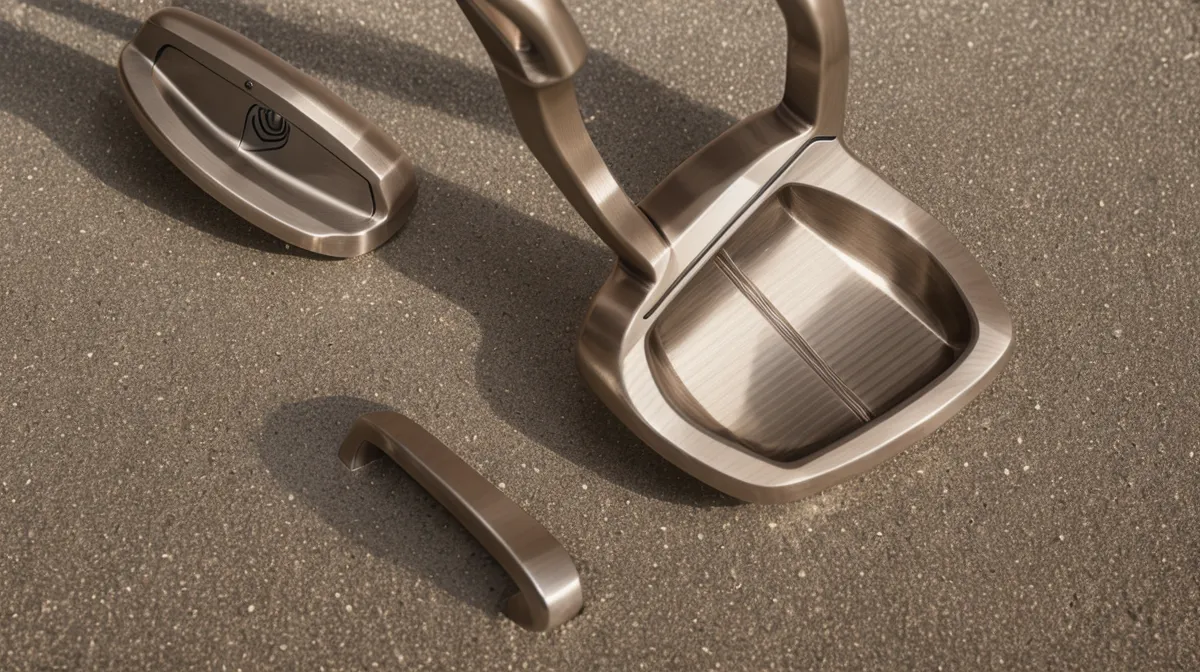
Forty-eight degrees at 6:42 AM on a Scottsdale Tuesday feels colder than it sounds. The desert air has a way of biting through a windbreaker when the sun is still tucked behind the McDowell Mountains. I stood on the practice green at Silverado, watching the first low rays catch the precision milling on the face of my new SWAG Golf Putter. It looked more like a piece of jewelry than a golf club. I found myself wondering if I had bought a legitimate tool for the bag or just an expensive trophy to show off at the 19th hole.
Before we get into the weeds on yardage books and milled steel, a quick note on how I keep the lights on. Some links on this page send commerce my way. When a reader buys golf gear through one, I earn a commission at no extra cost to the reader. These picks come from gear I have actually rotated through over real rounds on the Phoenix valley floor; I do not do press kits or sponsored loaners. Disclosure details and testing notes live in the Editorial Policy.
The Broker’s Bag: Why Feedback Matters More Than Hype
In my world of commercial real estate in Scottsdale, Arizona, your bag is often your business card. You walk onto a site with a client, and they notice if you are carrying gear that looks like it belongs in a museum or a dumpster. But after a nasty knee injury in 2020 made my daily running habit a memory, I turned to golf with a level of obsession that probably requires a support group. I am not a pro. I am a guy who keeps a notebook of every grip change and ball brand tested across fifty rounds. I need gear that performs over 18 holes without the tour-pro ego attached.
Most of the guys I play with are chasing the latest big-box releases every six months. I wanted something different. I wanted the consistency of 303 stainless steel. This material is the gold standard for premium milled putters because it lacks the 'hot spots' you often find in multi-material inserts. When you hit it off the toe, you know it. When you nail the center, the feedback is immediate. It is like the difference between driving a modern SUV with electric steering and an old daily-driver pickup where you can feel every pebble in the road through the steering wheel.
Late Autumn Testing: The November Frost Rounds
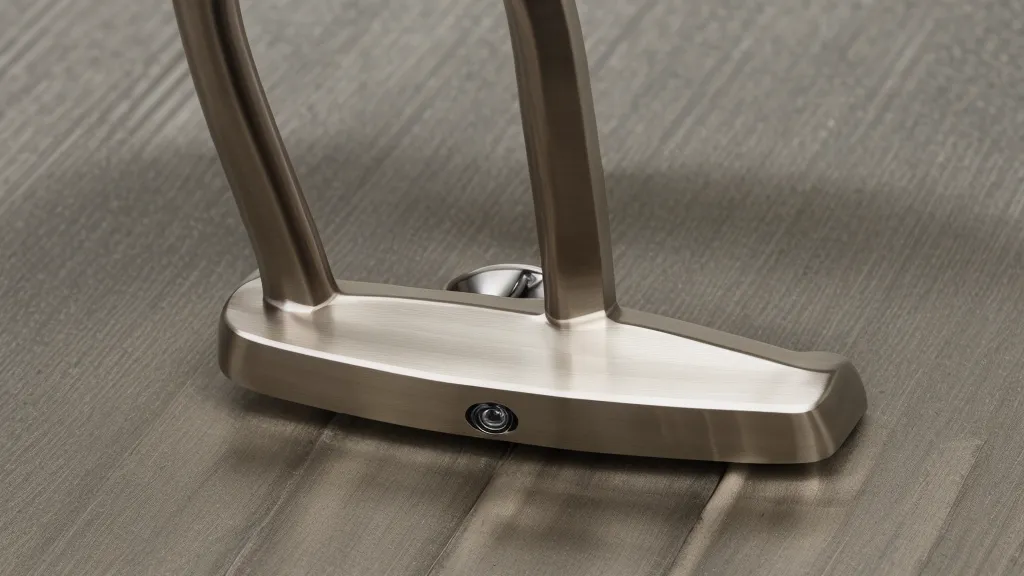
I started this testing cycle around mid-November. The greens in the Phoenix valley often utilize TifEagle Bermuda grass during this time. It is a grainier surface that requires a firmer, more confident strike than the smooth bentgrass you find in cooler climates. On a frost-covered practice green, I experienced the first 'inner truth' of this putter. There is a distinct, sharp 'tink' sound of the milled steel face making contact with a Pro V1 ball from Titleist. It is a clean, metallic note that tells your brain exactly where the ball is going before your eyes even track it.
I spent those first few weeks comparing the SWAG's feedback against my notebook of previous yardages. I was looking for consistency. If I put the same stroke on the ball ten times, I want ten identical rolls. The balance of the 303 stainless steel head felt heavy enough to stay stable through the transition but light enough to feel the weight of the head throughout the arc. It reminded me of a well-balanced framing hammer; the tool does the work if you just get out of the way.
During this period, I was also leaning heavily on my Alphard Golf Club Booster V2Pro. Walking is my therapy, but the knee still complains if I am pushing a manual cart up a hill. The Alphard converts almost any manual push cart into a remote-controlled electric caddy in under 30 minutes. It was a lifesaver, though it led to my first real failure of the season. I spent forty minutes trying to align the Alphard Booster's front-wheel tracking on a hilly par-5 while my playing partners waited. It was a humbling moment that reminded me that even the best tech requires a learning curve.
The March Rush and the Collector’s Dilemma
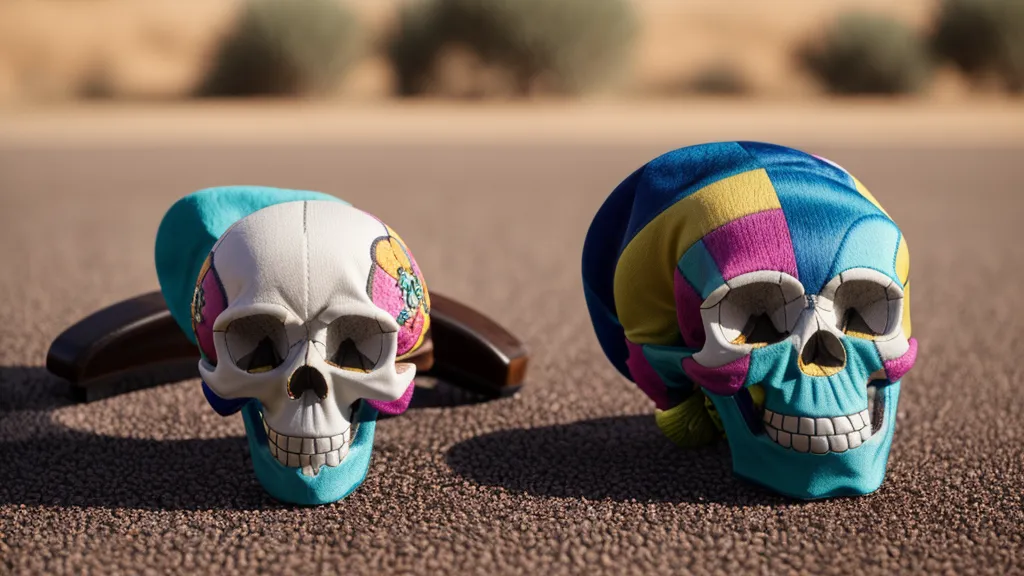
By early March, during the spring rush when every course in the valley is packed with tourists, I hit a turning point. SWAG Golf is known for its 'drops'—limited edition headcovers and putters that sell out in minutes. I was in the middle of a client meeting when a notification popped up for a limited 'Skull' headcover. I missed the drop by seconds. That moment forced a decision: am I a collector or a golfer?
I realized that while the hype is real, the true value of the brand lies in the confidence of a perfectly balanced stroke on a Tuesday afternoon. However, the social side of the brand is undeniable. I felt a strange mix of pride and embarrassment when a stranger recognized my limited-edition headcover before they even saw my actual score. It is a bit like wearing a rare watch; most people don't care, but the ones who do will talk your ear off about it. If you are into that, check out my thoughts on the Best SWAG Golf Putter Headcovers for Collectors and Daily Course Use.
The secondary market for these covers often exceeds the original retail price of the putter itself. It is a bizarre economy, but it means the 'cost of ownership' is lower than you think. If you buy a standard putter from a big-box store, it loses 40% of its value the moment you take the plastic off. A SWAG putter holds its value like an old leather wallet that only gets better with age. You can find more about this in my detailed log, Beyond the Drop: My Pursuit of a SWAG Putter Across the Phoenix Valley.
Twenty-Five Rounds In: The Performance Reality
After about twenty-five rounds, the honeymoon phase ended and the data took over. My notebook showed a slight decrease in three-putts, but more importantly, my 'lag' putting improved. The consistency of the milled face meant I wasn't getting those random 'hot' bounces that you sometimes get with plastic or polymer inserts. I was also wearing my favorite pair of shoes from FootJoy, which offer a 2-year waterproof warranty. Even on those damp March mornings, my feet stayed dry while I dialed in the speed of the greens.
One thing that surprised me was the physical relief. I noticed the absence of that familiar dull ache in my reconstructed knee after the first 18-hole round using the remote-controlled caddy. Not having to torque my body to push a cart allowed me to focus entirely on the putting stroke. The Alphard's 36-hole battery life meant I never had to worry about it dying on the back nine of a double-round day. It is a piece of gear that has earned its spot just as much as the putter has.
The July Heat: A Lesson in Surface Wear
The real test came during one sweltering afternoon in July. In the Arizona summer, the sun is a physical weight. The temperature on the greens can easily soar, and the sweat from your hands is essentially acid for club finishes. This leads to the unique trade-off I discovered: the premium aesthetic finish provides higher resale value retention but experiences faster surface wear compared to standard industry-grade putter coatings.
If you use these putters daily, the finish will start to 'patina' or wear in high-friction areas. For me, that’s fine. It looks like a tool that has seen work. It is like the bed of a pickup truck; if it’s perfectly shiny, you aren't using it right. But if you are the type of person who wants their gear to look brand new forever, you are going to be disappointed. You have to wipe these down after every round. If you leave a headcover on a wet putter, you are asking for trouble. It requires a level of care that a standard matte-black finish just doesn't demand.
Final Verdict: Is It Worth the Premium?
If you are looking for a putter that will magically fix a bad stroke, keep looking. No amount of milled steel can fix a head that moves during the impact zone. But if you want a tool that provides the most honest feedback possible, SWAG is hard to beat. The 303 stainless steel is the real deal. It offers a level of consistency that makes the game slightly less frustrating on those days when the greens are playing fast and firm.
If your goal is to own a piece of equipment that holds its value and feels like a precision instrument, SWAG Golf is the one to get. The craftsmanship is visible in every milling mark. But if you are the type of golfer who leaves their clubs in the trunk of the car for three weeks at a time and never wipes them down, a standard option from a brand like Titleist might make more sense. Those are built for utility first and aesthetics second. For me, the SWAG stays in the bag. It has survived the frost, the spring rush, and the July heat, and my notebook says the scores are trending in the right direction.
Whether you are walking with an electric caddy to save your knees or just trying to find a bit of confidence on the green, gear matters. Just make sure you are buying it for the right reasons. Now, if you'll excuse me, I have a 7:10 AM tee time and a notebook that needs filling.
SWAG Golf Putter
Pros
- ✔ Exceptional feedback from the precision-milled 303 stainless steel face
- ✔ High resale value on the secondary market for collectors
- ✔ Unmatched headcover designs that stand out on any course
Cons
- ✘ Premium finishes require more maintenance to prevent surface wear
- ✘ Limited release model makes acquiring specific designs difficult