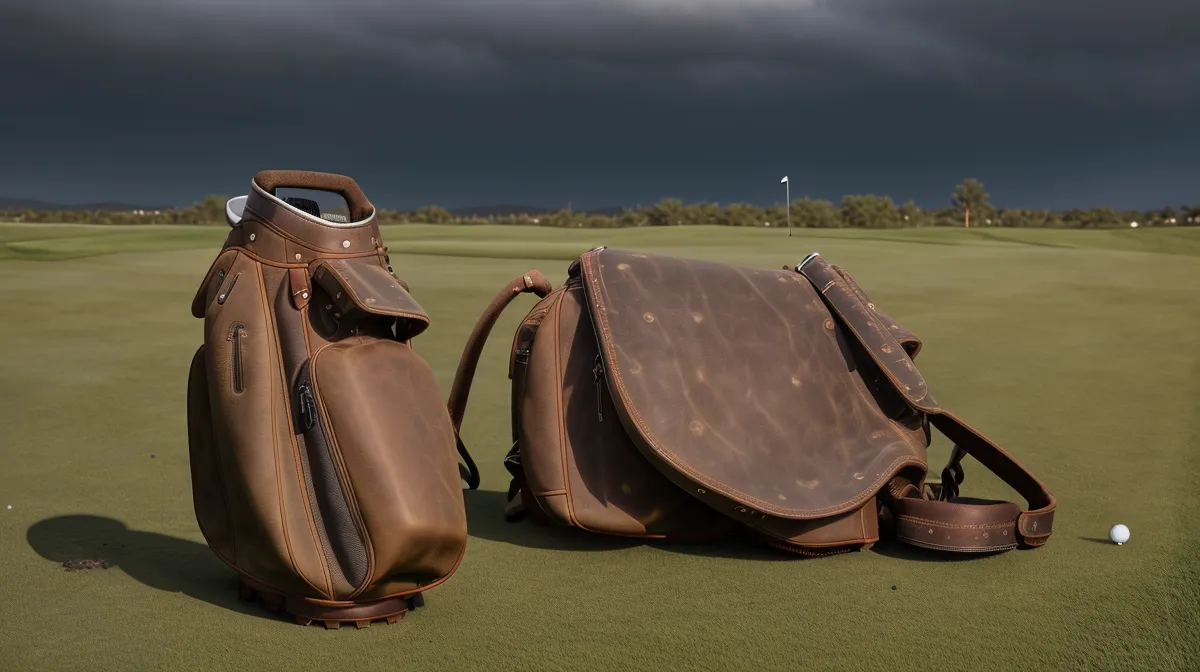
Seventy-eight degrees and a sky the color of a bruised plum. I stepped off the eighteenth green at Papago last March, watching the rest of my foursome peel off soggy socks in the parking lot while my feet felt like they’d spent the afternoon in a climate-controlled office. We don’t get many days like that in Scottsdale, but when the desert decides to open up, you find out very quickly which parts of your gear are built for the long haul and which are just expensive sneakers with a logo.
Quick heads-up: I use affiliate links here. If you grab some gear through one, I earn a commission at no extra cost to you. I am just a guy who rotates through way too many bags and shoes; everything here was tested over real rounds at courses like Papago and Silverado, not sent to me for free by a marketing team. Disclosure details and testing notes live in the Editorial Policy.
The Notebook and the Knee: Why Shoes Matter More Than Drivers
I am a 47-year-old commercial broker who used to run ten miles a morning before a shredded meniscus in 2020 ended that hobby. Golf saved my sanity, but it turned me into a bit of a gear obsessive. I keep a notebook of every yardage, every ball brand I test, and every equipment failure. When you’re walking eighteen holes three times a week with a surgically repaired knee, your shoes aren't just fashion; they are the foundation of your swing. If that foundation slips an inch during a high-torque drive, my knee feels it for three days.
I’ve spent the last few years looking for a shoe that offers the versatility of a spikeless design but the lateral bite of a traditional cleat. Last mid-November, I picked up a pair of the FootJoy Pro/SLX. I was tired of the 'water-resistant' lies told by casual brands. I’ve learned the hard way that trying to save money on shoes is like buying a daily-driver pickup with bald tires. You think you’re being frugal until you’re sliding sideways into a ditch. My notebook actually showed I’d spent more on three pairs of fifty-dollar casual shoes that lasted six months total than I would have on one pair of flagship FootJoys.
Testing Through the Scottsdale Monsoon
The real test started in early March when the Valley got hit with a series of storms that turned our desert washes into rivers. Arizona golf courses typically overseed with perennial ryegrass in the winter to keep fairways green while the Bermuda grass goes dormant. That ryegrass holds moisture like a sponge. Walking through it in a light drizzle used to be a recipe for disaster. I remember one specific failure: trying to save money by wearing a water-resistant casual shoe during a light drizzle, only to have my lead foot slip during a drive on the fourth hole. It wasn't just a lost ball; it was a week of icing my knee.
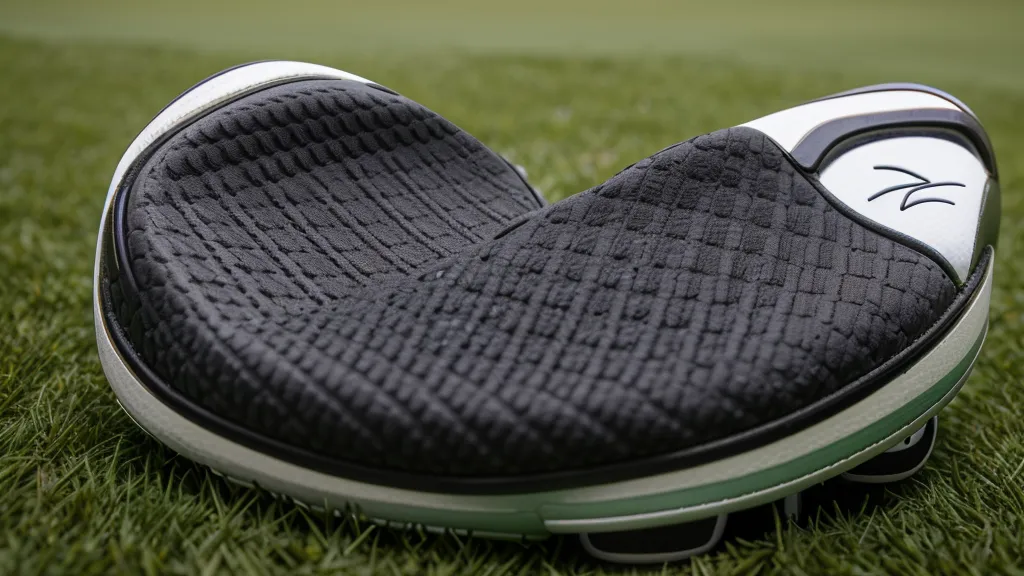
The Pro/SLX is different. The first thing you notice isn't the look, it is the sound. There is a distinct 'click-clack' of the Pro/SLX outsole on the paved cart path, feeling significantly more substantial than a standard sneaker-style shoe. It feels like a serious tool, more like a pair of high-end work boots than a gym shoe. During the rainy weekends in March, I relied on my Alphard Golf Club Booster V2Pro to navigate the muddy transition zones. Even when the cart was struggling for traction, the shoes held firm. The Alphard battery is rated for 36-hole capacity, and I pushed it to the limit those weeks, often walking 36 in a single day just to see if the waterproof seals would fail. They didn't.
The Carbon Plate Secret
FootJoy markets the carbon-reinforced plate in the Pro/SLX as a power-delivery system, but for me, it was a stability miracle. When the ground gets saturated and unstable, your feet want to roll. That lateral torque is what kills my knee. I found that the spikeless outsole provides superior versatility on firm surfaces but sacrifices lateral stability compared to traditional cleated designs during high-torque swings in saturated turf conditions. However, the Pro/SLX narrows that gap significantly. The carbon plate keeps the foot flat and stable, preventing that micro-wobble at the top of the swing.
I noticed the absence of that familiar dull ache in my left knee after walking 18 holes, which I usually attribute to poor foot stability on the follow-through. It’s the kind of thing you don't realize is happening until it stops. If you are a high-volume walker, you might want to look into Best Waterproof Golf Shoes for Early Morning Dew and Rain to see how other models stack up, but the Pro/SLX is currently the gold standard in my rotation.
The Small Details: Yardages and Ball Testing
I spent one humid morning in April testing the shoes alongside a fresh dozen of Titleist Pro V1 balls and some Vice Golf Pro Plus. When the air is thick and the grass is wet, every variable matters. The USGA Equipment Rules specify that a golf ball must not weigh more than 1.620 ounces, and it must have a diameter of at least 1.68 inches. When you’re standing over a shot with a standard 1.68-inch ball that is half-buried in wet ryegrass, you need to know your feet aren't going to move.
My tracking notes from that day show that my dispersion with my long irons stayed tighter than usual. I attribute that directly to the footing. I was even confident enough to pull out my SWAG Golf Putter on the slick, wet greens. Those putters are precision-milled from 303 stainless steel, and they deserve a steady platform to work from. You can read more about my experience with those limited-edition flatsticks in my SWAG Golf Putter Review.
Longevity After 50 Rounds
Most reviews you see on YouTube are done after one afternoon at the range. I’ve put over 50 rounds into these shoes since November. The leather has broken in beautifully, like an old leather wallet that finally fits your cards perfectly. The 2-year waterproof warranty is a huge peace of mind, especially since I’ve had cheaper shoes leak within three months. The outsole shows very little wear, which is surprising given how much I walk on the paved paths at Silverado.
If you find yourself caught in one of our sudden desert downpours, you’ll also want to check out the Best FootJoy Golf Rain Jackets for Unexpected High Desert Storms. Having the shoes is half the battle; keeping your core dry is the other half.
The Final Verdict: Buy It or Skip It?
If you are a casual golfer who plays once a month when it’s 75 and sunny, you probably don't need to drop over two hundred bucks on shoes. You can get away with something lighter and cheaper. But if you are like me—an obsessive amateur who walks the course regardless of the forecast and has a knee that demands respect—the FootJoy Pro/SLX is a mandatory investment. It is the daily-driver pickup of golf shoes: reliable, rugged, and built to handle the mud without complaining.
The lateral stability provided by the carbon plate is the best I’ve found in a spikeless model, and the waterproof protection is legitimate. I’ve stopped looking for the 'next best thing' for now. These are the shoes that stay in the trunk of my car, ready for whatever the Valley weather throws at me. If your goal is ultimate stability and bone-dry feet through a long walking season, the Pro/SLX is the one to get. If you prioritize a feather-light feel over lateral support, you might look elsewhere, but for my money and my knee, this is the winner.
FootJoy Pro/SLX
Pros
- ✔ Unmatched lateral stability for a spikeless shoe
- ✔ Legitimate 2-year waterproof warranty
- ✔ Carbon plate significantly reduces knee strain on follow-through
Cons
- ✘ Noisy 'click-clack' sound on paved paths
- ✘ Premium price point compared to casual sneakers