
One evening last July, while the Scottsdale heat was still radiating off the garage floor like a stovetop, I sat on a low stool with a toothbrush and a can of compressed air. I had just finished my 30th round of the season at Silverado; the fine desert grit was finally winning against my gear. It is one thing to wipe down a club face after a wedge shot, but maintaining an electric motor that drags a heavy bag through sand and sun is a different beast entirely. Transitioning from a runner to a serious golfer after my knee gave out in 2020 meant I treat my equipment like high-performance machinery. In the Phoenix valley, dust and heat are not just annoyances; they are the primary enemies of electronic carts.
The Desert Grit Protocol
Most guys I see at the course just hose their carts down after a round and call it a day. That is the fastest way to kill a Club Booster. Last November, I started noticing a slight rhythmic hesitation in the drive train. When I got it home, I heard the gritty, rhythmic crunch of desert sand trapped inside the plastic wheel sleeve before the compressed air finally cleared it out. It sounded like someone had poured sugar into a gearbox. If you let that sit, it acts like sandpaper on the axles.
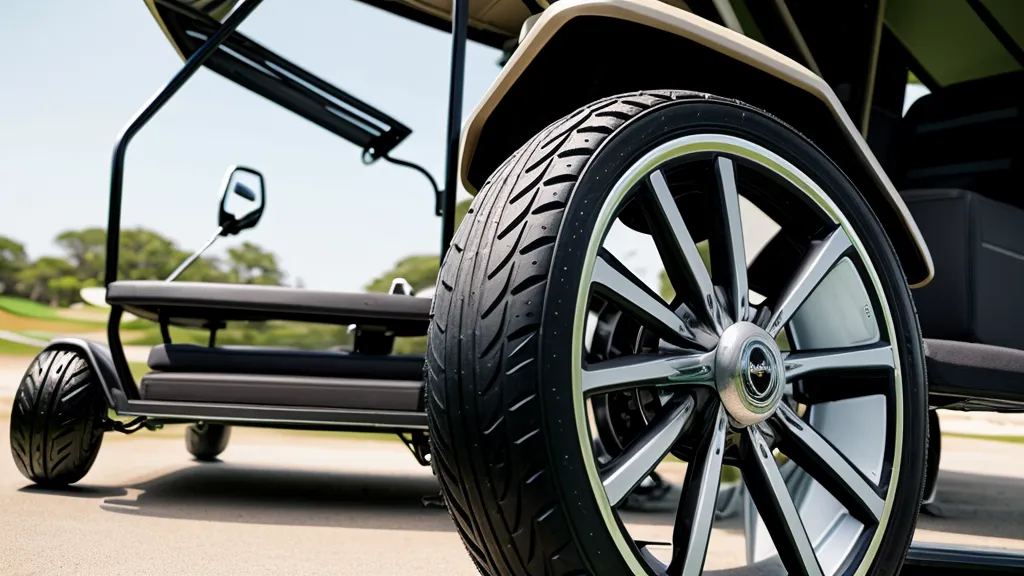
Every three or four rounds, I pull the wheels entirely. The Alphard V2Pro uses a dual-motor system that requires balanced wheel resistance to maintain a straight tracking line; if one side is bogged down by hair, grass, or sand, the unit starts pulling like a bad alignment on a daily-driver pickup. I use a dry brush to clear the gear housing. I do not use water here. The Arizona sun is brutal, but the reclaimed water used for irrigation at courses like Papago or Starfire is even worse. It leaves behind corrosive mineral deposits that can eat into the undercarriage electronics if you are not careful.
The Bearing Myth: Why Less is More
Here is where I disagree with the standard advice you find on the internet. Most guides tell you to spray lubricant into every moving part every week. I have found that over-cleaning the internal wheel bearings is actually a death sentence. When you spray high-pressure water or solvent-heavy cleaners into those hubs, you are inviting moisture ingress and washing out the factory grease. Once that grease is gone, you are metal-on-metal.
I keep a notebook of every maintenance tweak, and my entries from late February show that the units I left alone—only wiping the exterior with a damp cloth—performed better than the ones I tried to 'deep clean' with degreaser. Think of it like a pair of high-end work boots. You want to clean the mud off the leather, but you do not want to soak the insides until the structural glue fails. Keep the external housing clean so the heat can dissipate, but leave the internal seals to do their job. If the wheels spin freely when the motor is disengaged, leave the bearings alone.
Managing the Heat and the 36-Hole Battery
The standard V2Pro lithium-ion battery is rated for 36 holes, which is plenty for a long Saturday, but the Scottsdale summer changes the math. Lithium-ion batteries experience accelerated degradation when stored in ambient temperatures exceeding 100 degrees Fahrenheit. One Saturday morning last month, I realized I had left the battery in the trunk of my car overnight. The casing was hot to the touch, and the discharge rate during my round at Stonecreek was noticeably faster.
I had a real scare last March on a particularly hilly stretch. The unit slowed down to a crawl on a steep 30-degree incline, which is the maximum climbing grade the motor is supposed to handle. I thought the motor was burning out. It turned out to be terminal oxidation. The combination of humidity from the morning dew and the mineral-heavy dust had formed a thin crust on the battery connectors. A quick rub with a contact cleaner restored the power flow. Now, I make it a point to store the battery in my climate-controlled home office, never the garage. It is an extra trip to the car, but it is the difference between a battery that lasts four years and one that dies in two.
The 6-Axis Gyro and Remote Calibration
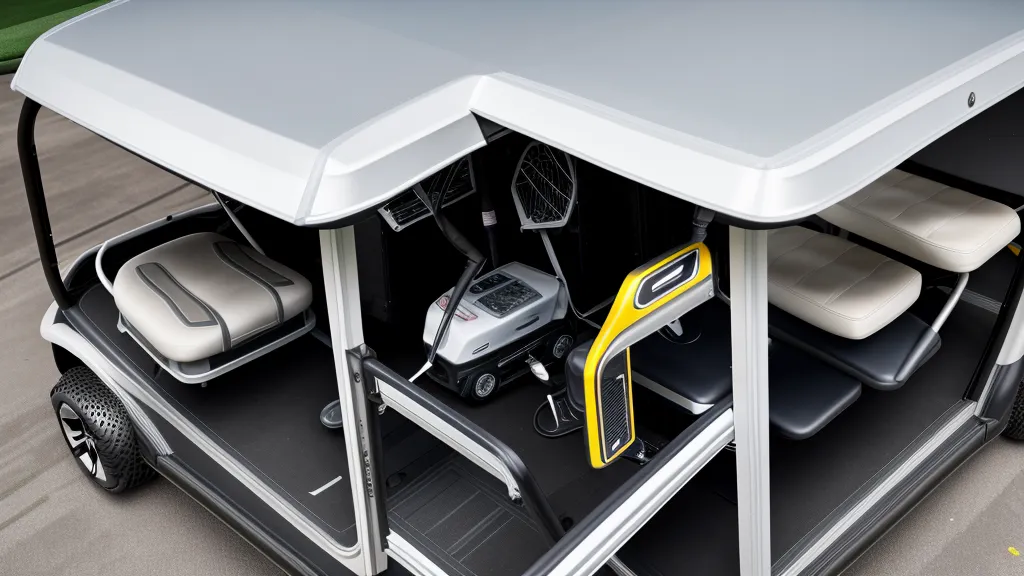
The brain of this unit is a 6-axis gyroscope sensor that keeps it from tipping over or veering off into a bunker. However, like an old leather wallet that loses its shape, the sensors can drift over time. I noticed my V2Pro was starting to 'hunt' for a straight line on the cart path. It felt like walking a dog that constantly wants to sniff the bushes. Usually, this is not a mechanical failure; it is a communication issue on the 2.4 GHz frequency.
I have learned to recalibrate the remote every few months. It takes thirty seconds, but most amateurs never do it. I also keep a close eye on the charging port seal. I remember the sinking feeling in my gut when the remote blinked red on the 14th hole because I had neglected the charging port seal after a dusty round. A tiny pebble had jammed the flap open, and sweat from my pocket had worked its way into the electronics. I now use a small piece of electrical tape over the port as a secondary backup. It looks a bit 'amateur hour,' but I haven't had a remote failure since.
While I am obsessive about the electronics, I am much more relaxed about the aesthetics. I have rotated through over a dozen bags and push carts, and they all get scuffed. If you are worried about every scratch on the motor housing, you are going to hate owning an electric cart. The V2Pro is a tool, not a museum piece. I recently wrote about some Vice golf accessories for walkers that handle this kind of wear well; maintenance is about function, not fashion.

The After 50 Rounds Checklist
Looking at my notebook entries from two years ago compared to now, I have realized that ten minutes of post-round care adds years to the motor's lifespan. My scorecard notes show that when the cart is running smoothly, my focus stays on the shot, not on whether my gear is going to make it up the next hill. When the V2Pro is maintained, it disappears into the background. When it is neglected, it becomes a 30-pound anchor.
My routine is simple now:
- Blow out the wheel sleeves with compressed air after every desert round.
- Wipe the battery terminals with a dry cloth to prevent mineral buildup.
- Store the battery inside the house, away from the 110-degree garage heat.
- Check the wheel nuts for tightness; the vibration from gravel paths can loosen them over 50 rounds.