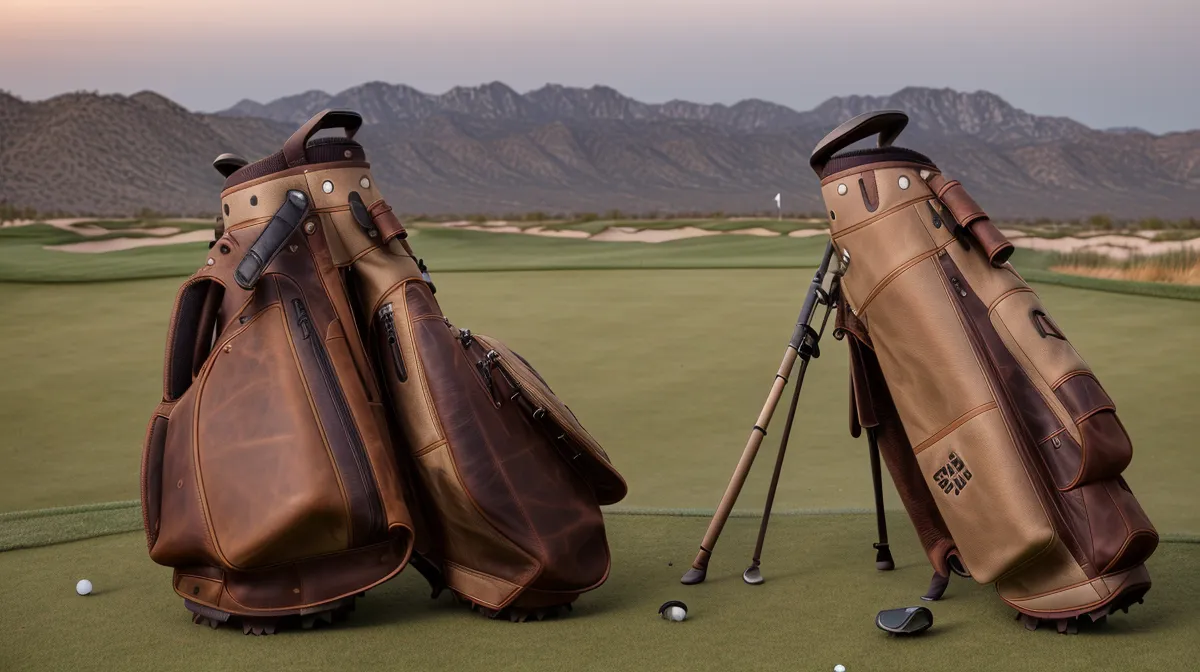
Thirty-two degrees of loft on the T150 seven-iron. Thirty and a half on the T200. That point-five-degree gap is the whole reason two irons that look nearly identical on a fitting cart behave like different clubs once you're gaming them for real rounds around Scottsdale. This club comparison is for the amateur golfer trying to figure out which Titleist iron actually fits a mid-handicap swing, not a tour player's.
Quick disclosure before the breakdown: some of the links below send business my way, including the ball and shoe mentions further down. If a reader buys gear through one, I earn a commission at no extra cost to them. Every product mentioned here has spent real time in my bag or on my feet over rounds played on public courses around the Phoenix valley, not a single afternoon at a demo day.
The Loft Gap That Changes Your Gapping
My current handicap sits at 11.4, and the notebook I've kept since picking the game back up tracks every yardage, ball flight, and mis-hit across both sets. The T200 is built hollow-body with a face designed to run hot; it's the player's-distance iron in the lineup, meant to add ball speed without asking for a tour-level swing. The T150 sits closer to the T100 tour blade, with a muscle channel behind the face that adds speed without giving up the forged feel serious ball-strikers want.
Gapping is where that half-degree actually shows up. A 7-iron built a degree and a half stronger doesn't just fly farther; it shifts the number you dial in for every club around it, and that matters more in thin desert air than most amateurs expect. Golfers managing a knee or hip issue who want forgiveness without chasing extra yardage should look at Best Cobra Irons for Seniors and Golfers with Knee Issues before committing to either Titleist option; the T-series rewards a fairly committed strike, and that's not every knee's idea of a good time.
Rounding Out the Bag Around the Irons
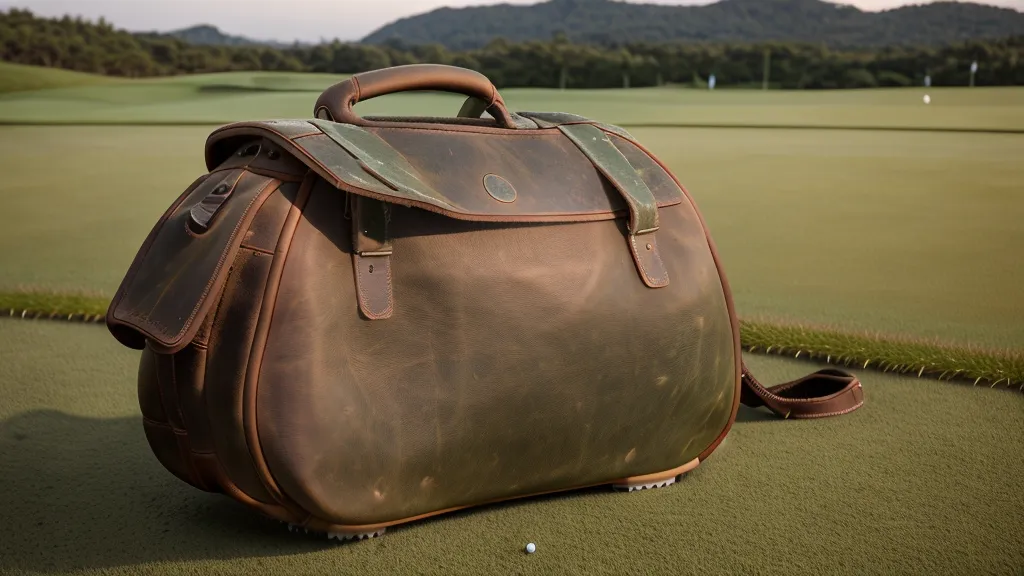
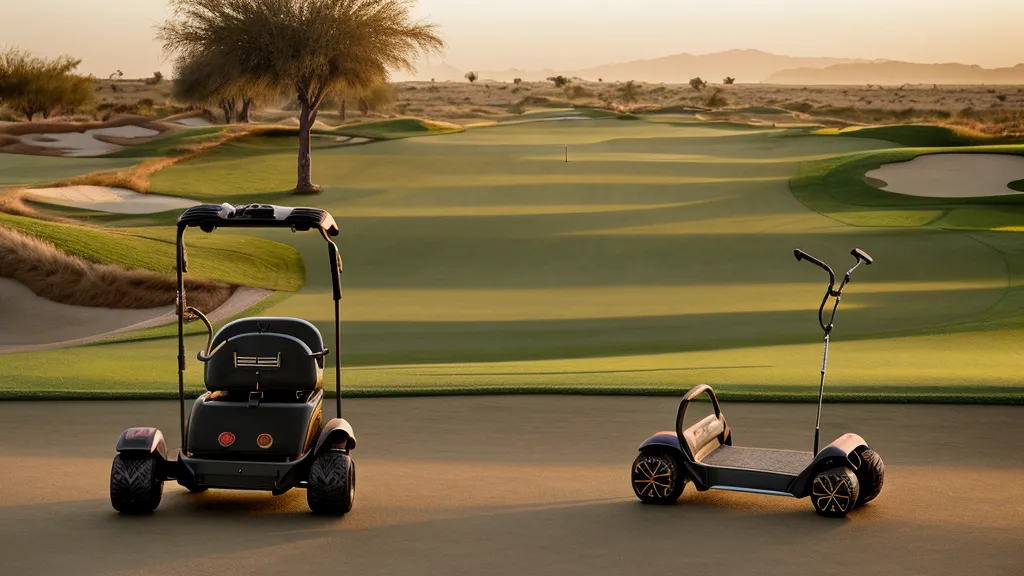
Testing irons in isolation doesn't tell the whole story, since everything else in the bag either compounds or covers for whatever the clubface is doing. Walking instead of riding means push cart stability matters almost as much as the irons; running an Alphard Golf Club Booster V2Pro off the back of a standard push cart turns eighteen holes into something my knee can actually handle, and a cart that stays planted on the downhill paths around here isn't optional gear, it's the difference between finishing the back nine or not.
Ball choice affects how honest any iron test can be, so I kept rotating between a Titleist Pro V1 and a Vice Golf Pro Plus throughout, since a softer or firmer cover changes how much spin difference you actually feel off the T150's face versus the T200's. Compression matters here too; a ball built around tour swing speeds doesn't tell a mid-90s clubhead a true story the way a lower-compression ball would. Footwear stayed fixed on purpose: FootJoy shoes with the two-year waterproof warranty gave a stable base on hardpan lies, which matters when the ground can't be the variable moving under a swing you're trying to judge honestly; testing that lateral stability on the garage concrete beforehand, the outsole drags with a low rubbery squeal that tells you more about grip than a spec sheet ever will. Anyone walking through a Scottsdale summer should also look at the Best FootJoy Moisture Wicking Golf Shirts for Walking in the Heat to keep from wilting by the turn.
Two Different Misses, Two Different Clubs
Long irons expose the difference fastest. A player who fights the 4- and 5-iron outright might do better skipping this debate altogether and looking at Best Cobra Hybrids for Golfers Who Struggle to Hit Long Irons, since neither T-series iron fixes a swing that can't get a blade-style long iron airborne consistently. For golfers staying in the Titleist lineup, the T200's hollow body and hot face can send a mis-hit ten yards past a number that felt right off the clubface, while the T150 keeps a strike inside a tighter window even when it isn't struck dead center.
Back in the garage where the current test bag lives on a rolling steel cart, next to the wall that gets a tally mark in black paint marker after every round, comparing face wear between the two sets is easy under the flat afternoon light that comes through the one window. Pairing tighter iron dispersion with a putter that stays forgiving on strikes hit off-center keeps that precision from getting wasted on the green; the SWAG Golf Putter is milled tight enough that a mis-read shows up honestly instead of getting smoothed over, which is either a feature or a curse depending on how the week is going.
Does Forged Feel Matter to an 11 Handicap?
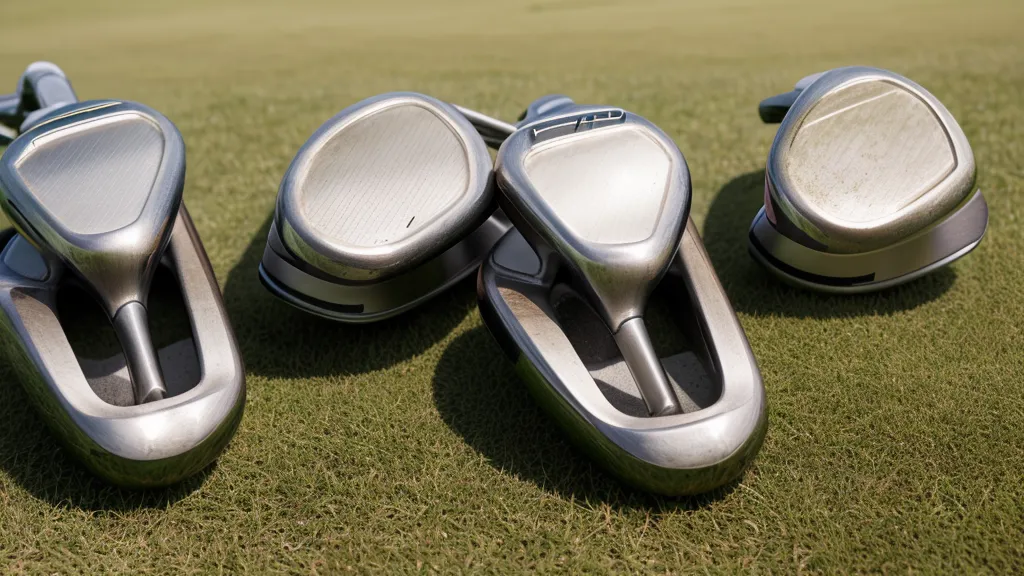
Hank Viteri, my regular Wednesday game, reads every Titleist catalog cover to cover and almost never actually buys anything; he figured a half-degree loft difference wouldn't show up in real scores. On the ninth green at Talking Stick this spring, I stood over a twenty-two-foot birdie look with forearms that weren't buzzing from the approach the way a thin strike usually leaves them, and that kind of feedback doesn't show up on a spec sheet or in Hank's stack of catalogs.
Weaker lofts on the T150 create a real consequence at the far end of the bag: the gap between your pitching wedge and your first specialist wedge can open wider than expected, and bounce behavior off a firm, sun-baked fairway is a decision worth making on its own rather than an afterthought. Best Titleist Vokey Wedge Grinds for Firm and Fast Desert Conditions is worth a read before that gap turns into a full-swing wedge nobody enjoys hitting.
What Fifty Rounds of Wear Actually Shows
Fifty-plus rounds into this test, the two sets look nothing alike. The T200 still looks close to new, while the T150 carries the bag chatter and face wear forged irons are supposed to show, the same way a good pair of work boots scuffs instead of falling apart. That wear pattern tells you something useful: a wider sole and tungsten weighting let the T200 glide through firm summer Bermuda even on a slightly fat strike, while the T150 rewards a cleaner, more precise entry and punishes anyone who digs. The rule of thumb after this many rounds is simple. Golfers who tend to hit down and fat should stay with the T200's forgiveness; golfers who pick the ball clean and want the shot to do exactly what the strike says should move to the T150.
Choosing Between the T150 and T200 for Amateur Golfers
For the amateur who keeps a notebook, practices with intent, and wants a club that rewards a good strike rather than masking a bad one, the T150 is the better iron; the T200 remains the right call for a once-a-week player who just wants distance and forgiveness without a full fitting-cart deep dive. Start any comparison with a consistent ball like the Titleist Pro V1 so the club, not the ball, is the variable under test, and if a knee or hip is the real limiting factor, don't overlook the Alphard Golf Club Booster V2Pro; walking eighteen without dragging a cart the old way has kept me on the course on days I'd have otherwise skipped. Get fit before buying either set, but the fifty-round wear pattern and the loft numbers above will tell you more than a single range session ever will.
| Product | Rating | |
|---|---|---|
| Titleist T150 Irons Top Pick | 9.4 | Read More → |
| Titleist T200 Irons | 8.9 | Read More → |
| Alphard Club Booster V2Pro | 9.1 | Read More → |
| Vice Pro Plus | 8.5 | Read More → |
Titleist
Pros
- ✔ Unmatched spin consistency on T150 center strikes
- ✔ Pro V1 remains the gold standard for predictable flight
- ✔ T200 offers incredible ball speed for a player-profile iron
Cons
- ✘ T200 'hot' face can lead to occasional flyers
- ✘ Premium pricing with rarely any discounts