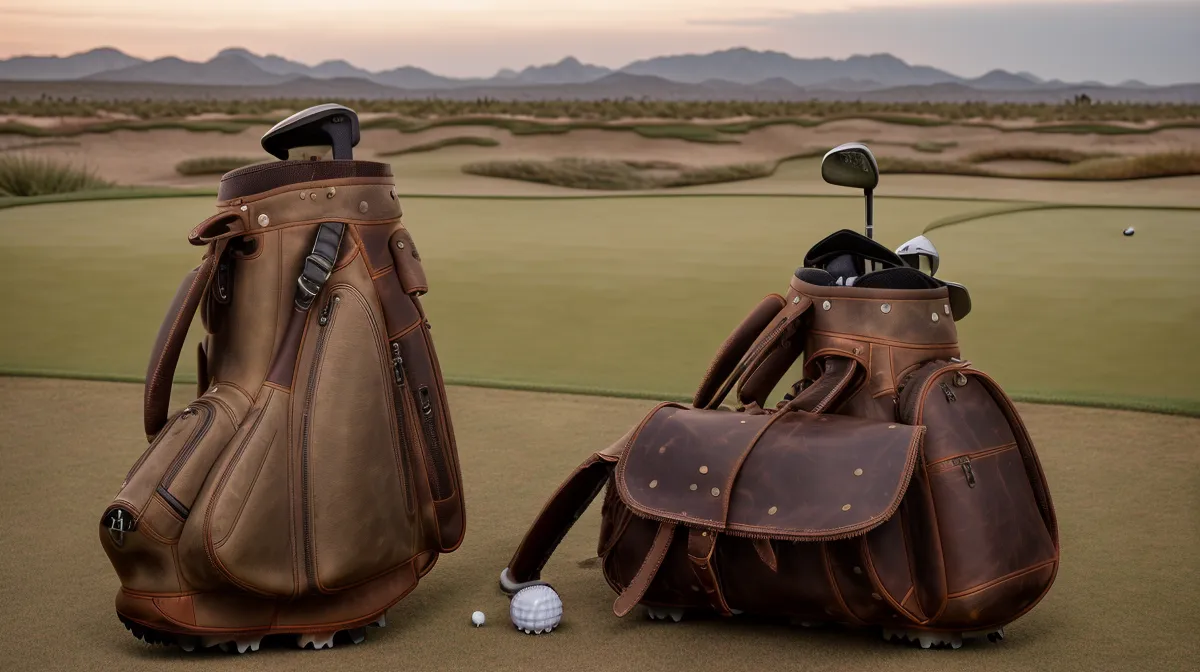
Four degrees of bounce is the gap between a wedge that skips clean off sun-baked hardpan and one that stops dead and drags the ball three feet sideways instead of forward. Most mid-handicap players shopping for a new Titleist Vokey wedge or anything else in that price range check the loft number and call it done. Wedge selection matters more in desert golf than almost anywhere else in a golf equipment bag, because the ground here doesn't give an inch the way soft bluegrass turf does, and the wrong bounce and sole grind combination turns a routine 60-yard pitch into a blown-up hole.
Every recommendation on this page comes from gear I've actually rotated through over real rounds in the Phoenix valley, not sponsored loaners or a press kit that showed up already broken in. Six years of logging yardages, wedge lies, and blown-up holes go into that call, and the notebook doesn't lie even when I'd rather it did.
Desert Hardpan Punishes the Wrong Bounce Number
Play golf on hardpan long enough and you learn the sound before you learn the fix. It isn't the soft thump of a pro carving a dollar-bill-sized divot out of lush turf; it's a sharp, metallic clack of a leading edge skipping off sun-baked clay.
Wedge bounce is the angle between that leading edge and the lowest point of the sole, and in theory more of it should stop the club from digging. On hardpan, too much bounce does the opposite; it turns the sole into a trampoline that skips the leading edge straight into the equator of the ball instead of underneath it.
None of this is spreadsheet theory. I've gone through plenty of gear that simply failed outright, including a bargain aluminum push cart that wobbled hard enough to nearly tip on every downhill at Las Sendas Golf Club in Mesa before I finally gave up and retired it. Playing that course most weeks has also taught me to notice small things before a shot goes wrong; the first cut there holds a ball up just enough that a fresh yellow cover is visible from eighty yards out in full desert sun, and that same attention is what tells you whether hardpan or turf is waiting under your next wedge shot.
How Much Bounce Does a Steep Swing Actually Need?
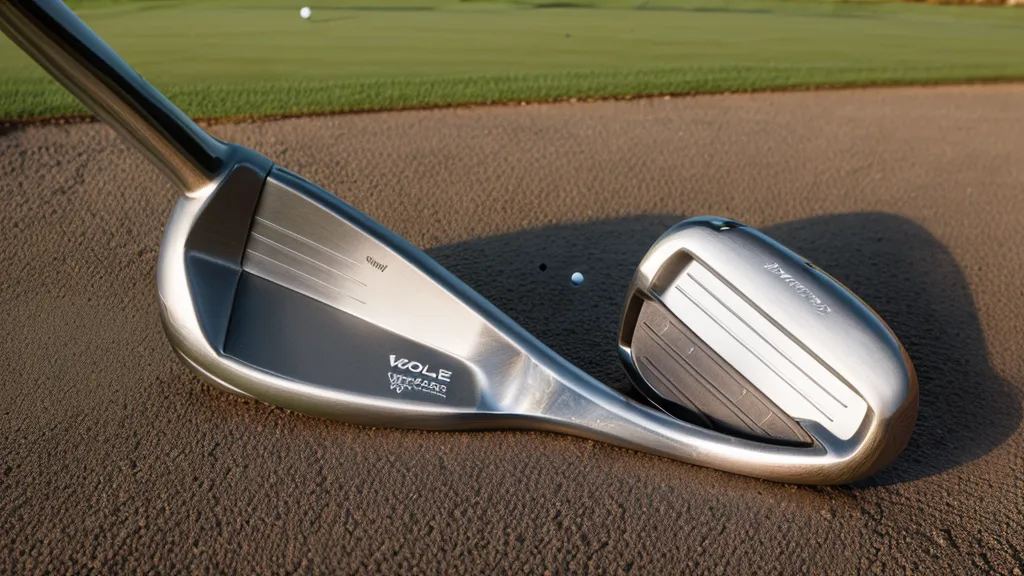
The common advice says hard ground means low bounce, and for a shallow, sweeping swing that's usually right. A steep, aggressive swing, the kind fitters call a digger, breaks that rule on firm turf. Come into the ball at a sharp angle with a 4-degree wedge and that thin leading edge acts like a chisel; miss the strike by a fraction of an inch behind the ball and the club stops dead in the clay instead of sliding through it.
I tested a low-bounce Titleist Vokey SM-series wedge, which runs anywhere from 4 to 14 degrees of bounce depending on the grind, against a standard 12-degree setup across a full season of desert rounds. The low-bounce option let the leading edge sit flush against tight summer lies and nip the ball clean, which is exactly what it's built for. Miss with it on firm ground, though, and the feedback travels straight up the shaft into your lead elbow; it feels closer to hitting a pipe than a golf ball, and it's the kind of jolt that makes a bad knee and a sore elbow start comparing notes.
Hank Viteri, who I've played with most Wednesday mornings for a good while now and who can point you to the nearest water spigot on any public course in the valley without looking it up, watched me blade one three groups back on that same stretch of hardpan and just shook his head. A wider sole grind fixes more of that miss than switching bounce numbers ever will.
The Sole Grind Nobody Talks About
For golfers with steep, fast-hands swings, a mid-to-high bounce wedge with a wider sole, something like a K-Grind, is often the safer bet even on firm turf. The wide sole acts as a skid plate; instead of a thin leading edge digging in or high bounce making the club jump, the sole rides across the hardpan just enough to create a margin for error. Think of it less like bounce-number shopping and more like picking work boots over dress shoes for a gravel job site; the extra material between you and the ground is what keeps you upright.

Testing wedge setups across hilly desert terrain for months at a stretch is easier on the legs with the right support gear. I switched my push cart over to an Alphard Golf Club Booster V2Pro motor kit partway through this testing, which is rated for 36 holes on a single charge and takes the sting out of the uphill walks between wedge tests.
What Happens When Ryegrass Replaces the Hardpan
Desert courses overseed every fall, swapping dormant bermudagrass for perennial ryegrass, and the parking-lot fairways turn into fluffy, emerald carpet almost overnight. That single change flips the entire bounce equation. Ryegrass is deceptively soft; take a low-bounce wedge into a lush, overseeded fairway and the leading edge disappears into the grass like a hot knife through butter, tunneling under the ball instead of nipping it.
A low-bounce setup built for summer hardpan chunks chips all winter on overseeded turf, because there isn't enough surface area to keep the club from digging through soft grass. The fix is a mixed-bounce bag rather than one universal wedge: a low-bounce 60-degree for the remaining scrape areas and a higher-bounce 54-degree for the fluffy stuff once the rye comes in. Matching ball compression to actual swing speed helps here too, which is part of why I've been comparing Titleist golf balls for average swing speed to find one that doesn't balloon in dry desert air.
Building a Two-Wedge System for the Desert
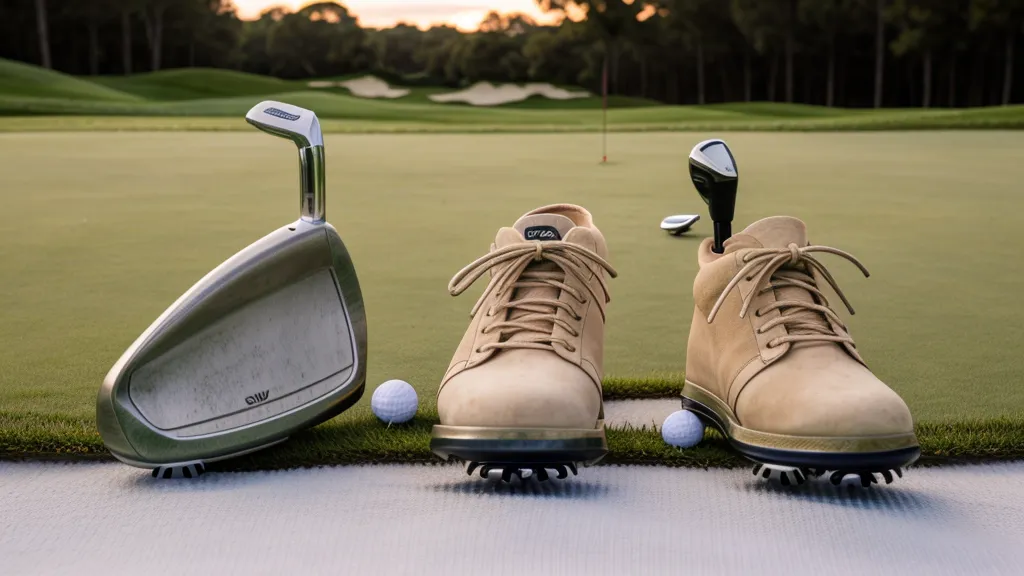
Stop looking for one universal wedge if you play desert golf regularly; you're effectively playing two different surfaces depending on the month. For summer hardpan, weigh the sole grind at least as heavily as the bounce number stamped on the wedge. A wider sole with moderate bounce is usually more forgiving for a mid-handicap swing than a razor-thin, low-bounce blade, no matter how clean it looks in the display case.
A reader named Alma Vickery emailed a while back asking why her 60-degree wedge kept bouncing off the fairway before it ever reached the ball; the short answer is almost always sole grind, not the bounce number by itself. Feel matters more once the turf stops being forgiving, and that's true for the whole short game, not just wedges. I started using a SWAG Golf Putter a while back, and the precision-milled 303 stainless steel head gave me a sense of touch my old mass-produced flatstick never had. Anyone working through that same transition might also look into best milled putters for amateurs looking for better feel on greens to round out the short game.
My working setup for the Phoenix valley is a 54-degree wedge carrying 10 to 12 degrees of bounce as the all-arounder, plus a 58 or 60-degree wedge with 4 to 8 degrees of bounce reserved for the nightmare tight lies. Bounce is one variable in a bigger desert-gear equation, though; the right sole grind won't save you if your shoes lose their bite on the hardpan, your glove goes slick by the back nine, or a wobbly push cart makes you dread the downhills as much as the fairway lies. Ball-cover durability against cart-path scrapes matters too, and so does matching compression to your actual swing speed instead of whatever the fitting chart says. Putter grip pressure and how forgiving the putter head is are their own rabbit hole, worth a separate look, and the same goes for whether a stand bag's weight is doing your walking rounds any favors or whether your irons are still asking for forgiveness they were never built to give.
If the lie looks like a road, play it like a road; pick it clean or put the wedge away and use a putter instead. I play to a 13 most seasons, steep swing and all, and that one rule alone has saved more elbows and scorecards than any single piece of gear in the bag.
Staying out there through the heat matters just as much as the wedge in your hand; the best FootJoy moisture wicking golf shirts are about the only thing keeping me from melting by the back nine most Phoenix summers. Respect the ground you're playing on, keep the notebook handy, and the desert stops being an opponent and starts being just another course condition to plan around.