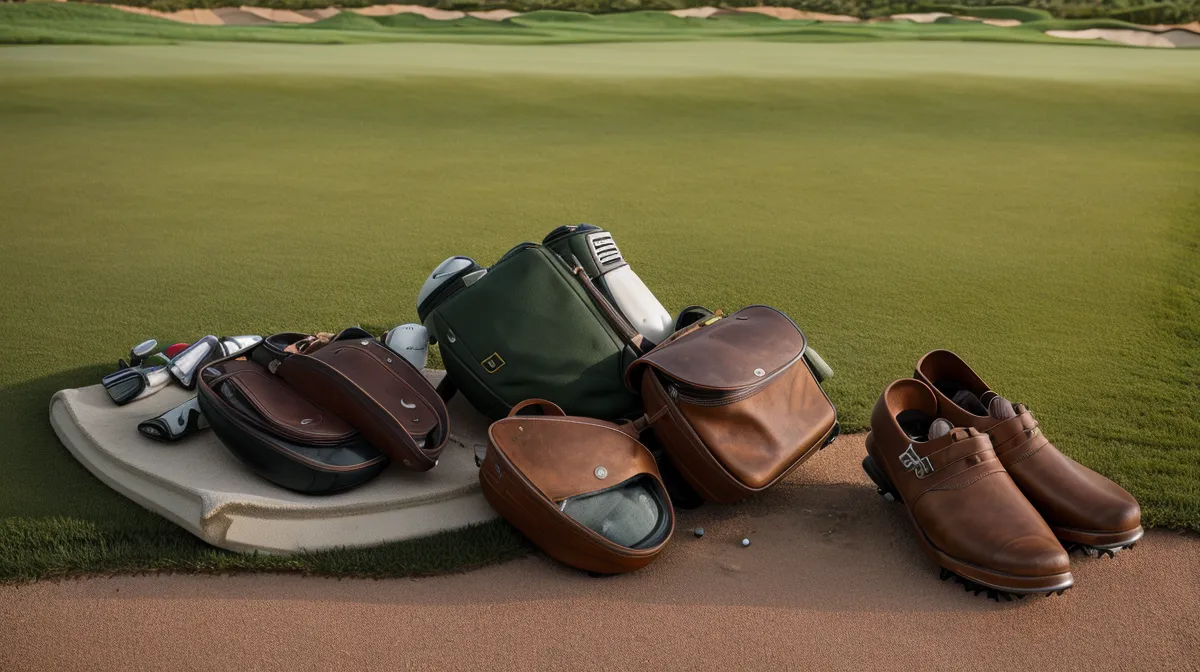
A 22-degree hybrid sits third from the top of my bag, and it gets pulled on more long par 3s than my irons combined out here in the Scottsdale valley. The short answer to why: enough loft to stop a ball on a firm green, and enough length to actually reach one from 200 yards. That single club changed how I think about hybrid golf clubs on approach shots that used to scare me. Readers ask me some version of the same question almost every week, which hybrid actually holds a green from long range, and why mine keeps working when the last three didn't.
What a Hybrid Fixes on a 200-Yard Par 3
Before a knee injury ended my running days, I would have grabbed a long iron and swung as hard as the joint allowed. That swing is off the table now, so the club has to do more of the work. Long par 3s ask for the carry of a fairway wood but the stopping power of a short iron, and a hybrid is the only club in the bag built to do both at once. I broker commercial real estate out of Scottsdale, and the thin desert air out here already helps a ball carry a touch farther than it would back east, which makes club selection on these holes even trickier.
Cobra's hybrids are what filled that gap for me, mostly because of the rail system on the sole. Guys on YouTube talk about ball speed numbers and swing weight; nobody mentions what a club feels like after the thirtieth round of walking a course in June heat.
The Rails That Keep My Hybrid Out of the Dirt
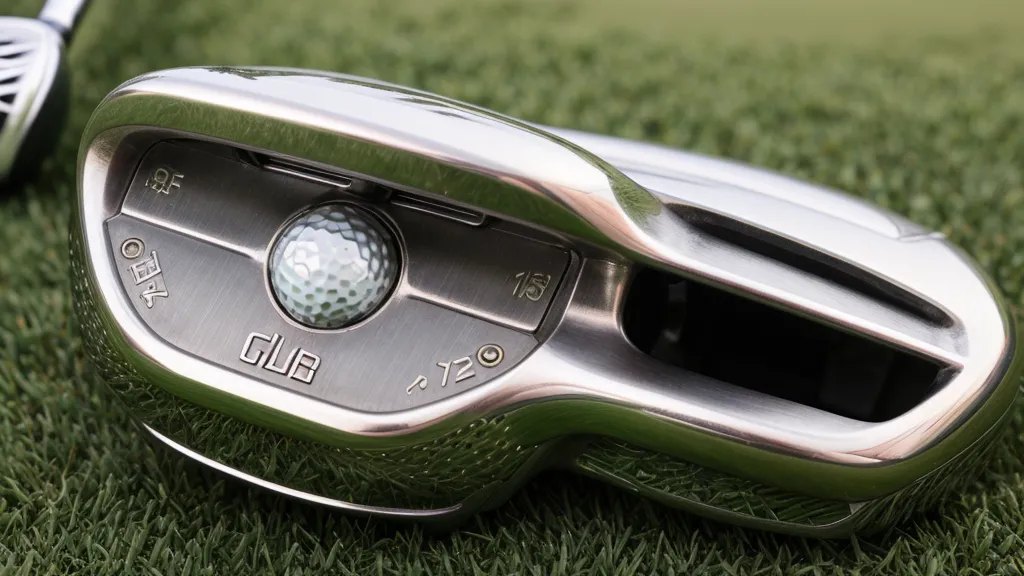
Tight desert lies punish a hybrid that digs instead of skids, and that's exactly where the Baffler rails on the sole earn their keep. Catch a shot a hair fat off hardpan and the rails let the head keep moving through impact instead of stubbing into the dirt; it works the same way skid plates keep a daily-driver pickup moving over rough ground. The engineering history behind that rail design belongs to a different discussion than this one, so I'll leave it alone and just say the effect is real on a course with more sand and caliche than grass.
My notebook says I'm carrying a 13 handicap this season, and the holes where that number holds steady are almost always the long par 3s where I trusted the hybrid instead of forcing a long iron. The pattern in my own scorecards is blunt: fewer chunked approach shots; more looks at birdie from twenty feet.
Keeping Testing Rounds From Wrecking My Knee
Walking a course is the only way I trust my own read on a club, but a bad push cart can undo that fast. A cheap aluminum push cart was the first thing I tried after the injury, and it wobbled badly on any real downhill; it nearly tipped more than once easing down the slope toward the green at Raven Golf Club at South Mountain. Push-cart stability on hilly desert terrain is its own deep topic worth a full breakdown somewhere else, but the short version is that a wandering front wheel will ruin your focus on the shot you're about to hit.
Swapping to the Alphard Golf Club Booster V2Pro fixed that; it converts a manual push cart into a remote-controlled caddy, and the battery holds up for 36 holes on a single charge, plenty for a Scottsdale double round. Off the tee at fifteen, the fairway at Raven drops hard toward the green, and the first time I rolled that cart down the slope with no drift at all, no wobble, no fighting the handle, it felt like getting a piece of gear finally out of my way. The stand bag riding on top matters too; more weight stacked high makes the front wheel wander on a downhill regardless of the cart underneath, which is a rabbit hole for another article.
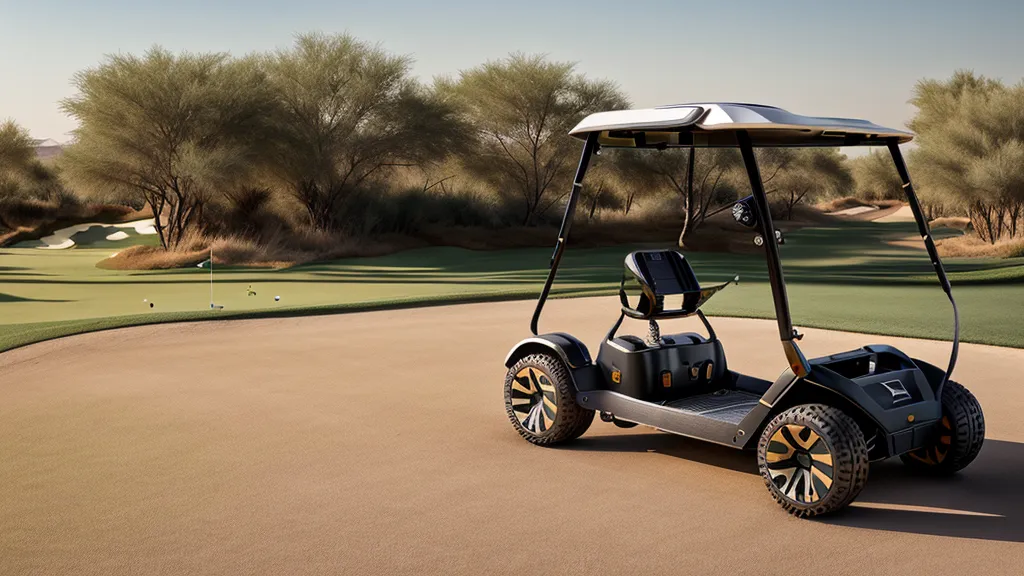
Back in the garage workshop where I keep spare grips and test gear, the rolling steel cart holds whatever hybrid or push cart is under review that week; the wall tally I keep in paint marker crossed fifty rounds partway through this stretch of testing. That's the kind of detail nobody puts in a press release, but it's the only way I know if a piece of gear held up or just felt good on day one.
Picking a Loft That Actually Holds the Green
Loft decides more of this than swing speed does. A 19-degree hybrid launches low and runs out hard on a firm green, which is fine on a links-style course but a liability on the firm Bermuda greens common around Phoenix. Bumping up to 22 degrees changed how the ball came down; the flight climbs higher and drops steeper, closer to landing than skidding. That's really what launch forgiveness is for on a shot like this: a low, rearward center of gravity gets a mis-hit airborne on a strike that a long iron would just leave sitting in the turf.
Traction underneath you matters just as much as loft up top. Sliding even an inch at the top of the swing turns a well-struck hybrid into a pushed shot that misses the green right, so I switched to FootJoy shoes for the lateral grip they hold on sloped, sun-baked lies; the guide I wrote on the Best Golf Shoes for Walkers with High Arches goes deeper on fit if your feet are the weak link instead of your swing. Shoe traction on hardpan desert ground is a subject that deserves its own full test, and this isn't it; the short takeaway is that a shoe that grips on hardpan buys you the stillness a hybrid swing actually needs.
Ball Durability in Desert Rounds
Alma, a reader who emails me every few months with questions angled hard at how gear performs in serious heat, asked whether the ball matters as much as the hybrid on these long approaches. It does, just not in the way most marketing suggests. A Titleist Pro V1 compresses with a solid thud off a hybrid face and holds its flight in the wind better than anything cheaper I've tried, and the dimple pattern keeps the ball stable enough that a slightly mis-hit shot still finds the green instead of ballooning off line.
Budget balls are not automatically the wrong call, though. Vice Golf's Pro Plus line gets remarkably close to that same tour-level feel for less, and I keep a few in the bag specifically for the carries over desert waste areas where losing a ball is a real possibility, not a hypothetical. Cover life is the trade-off; I wrote a full breakdown on that in Most Durable Golf Balls for Desert Courses with Hard Scrape Areas if scuffing off cart paths is your bigger worry than compression. Compression matching matters here too: a ball built around a tour swing speed won't compress the same way for most weekend swings, and that's a big enough subject to deserve its own separate answer rather than a footnote in this one.
Her other favorite subject is glove life once the thermometer climbs past a hundred; that's a fair question, and it gets a fuller answer in a piece dedicated just to that, not buried here under hybrids and balls.
The Putter That Rewards a Good Approach
Sticking a 210-yard hybrid shot to ten feet only matters if the putter does its job once you get there. A SWAG Golf Putter, milled from 303 stainless steel, is what's been in my bag for that job; the weight feels balanced enough that I trust the same stroke on a fast Bermuda green that I trusted on a slower one the week before. Grip pressure changes that trust fast; a grip that's too thin makes me squeeze at the top of the stroke, and that alone is worth its own dedicated answer rather than a rushed mention here.
Hank, who I play with most Wednesday mornings, has a putter opinion whether anyone asks for it or not: give him a real number on the scorecard and his 17 handicap suddenly rolls putts like a 9. Head shape plays into that more than people give it credit for; a mallet forgives a stroke that wanders a little off-plane, while a blade like the SWAG punishes that same miss, and picking between the two really comes down to how repeatable your stroke is under pressure, not which one looks better in the bag.
How the Support Gear Stacked Up
Numbers help settle an argument better than opinion does, so here's how the supporting gear scored across this same stretch of rounds.
| Product | My Rating | Key Benefit |
|---|---|---|
| Alphard V2Pro | 4.7/5 | Saved my knee; 36-hole battery life |
| FootJoy Shoes | 4.5/5 | Superior lateral stability on desert slopes |
| Titleist Pro V1 | 4.8/5 | Predictable spin and 388-dimple aerodynamics |
| SWAG Putter | 4.6/5 | 303 stainless steel feel and high resale value |
My Advice from the Tee
Stop trying to be a hero with a long iron on a hole that's begging for a hybrid. The right loft turns a defensive stance into a real scoring chance, and it doesn't ask for a perfect strike every time; it just asks you to trust the rails and pick a number you can commit to. Reliability is the whole case for Cobra's hybrid lineup in my bag at this point; it works the way a good pair of work boots does, better the more rounds you put on it, not worse.
If the walk itself is what's holding you back from playing more, the Alphard Golf Club Booster V2Pro is the single piece of gear that's done the most to keep me on the course through a full season of testing. Get fitted for the hybrid loft first, though; the cart just gets you to the next tee in shape to hit it.