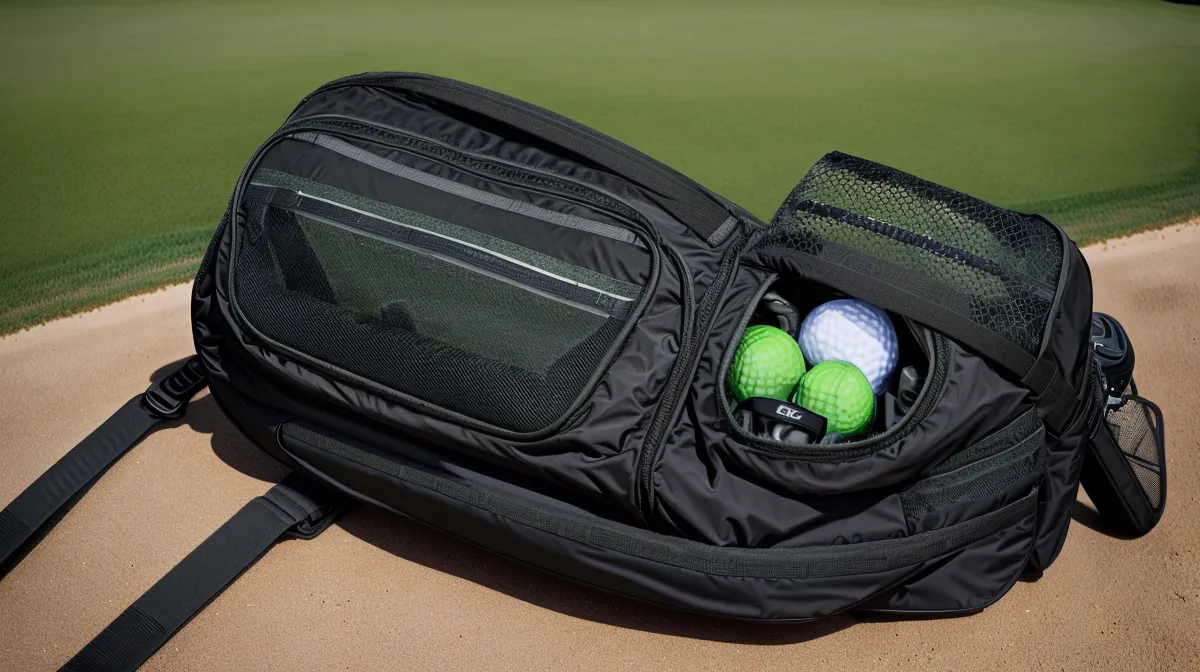
Watching a stranger's driver head poke clean through a fresh tear in his soft-shell case at the Sky Harbor carousel, I already know my own golf-travel bag is not making the cut on equipment protection for my trip to the Oregon coast next month.
Before anything else: some links below send commerce my way, and I take a small commission if you buy through one at no extra cost to you. Every pick here came off gear I rotated through myself on real rounds around the Valley; I don't take press samples or sponsored loaners. More on that is in the Editorial Policy.
A commercial broker doesn't stop tracking numbers just because it's a Saturday, and I keep a notebook on every ball, yardage, and grip change same as I would a rent roll. As a Scottsdale golfer who flies out for a golf trip every few months, my clubs already share space with the Alphard Golf Club Booster V2Pro I converted my push cart into, and between that and a custom putter, I've got too much riding on equipment protection to trust a flimsy case. Sitting around a 13 handicap most of the season, I don't have shots to spare if a shaft snaps in a baggage hold.
The Hard-Case Myth Doesn't Survive First Contact With TSA
Most golfers assume real club protection only comes from a rigid hard case, and treat anything soft-sided as the budget compromise you settle for. That's backwards. After a full season dragging a heavy ballistic-nylon Vice Golf travel bag through three airports, the case that flexes under impact protected the clubs at least as well as the molded shells I used to check, without the maneuverability penalty a hard case carries through a jetway. Fabric that gives absorbs a drop instead of transferring it straight into the graphite.
What The Ballistic Nylon Is Actually Doing
Vice Golf built its ball business on direct-to-consumer pricing, promising performance close to a Titleist Pro V1 for less money, and I've played enough rounds on the real thing to know what that promise is up against. Their travel cover runs the same logic through a different product. Pull it out of the box and the smell is heavy and industrial, closer to a new pair of FootJoy Pro/SLX shoes than anything padded and soft. That's the ballistic nylon weave talking; it's thick enough that the case barely wants to fold flat straight out of the box.
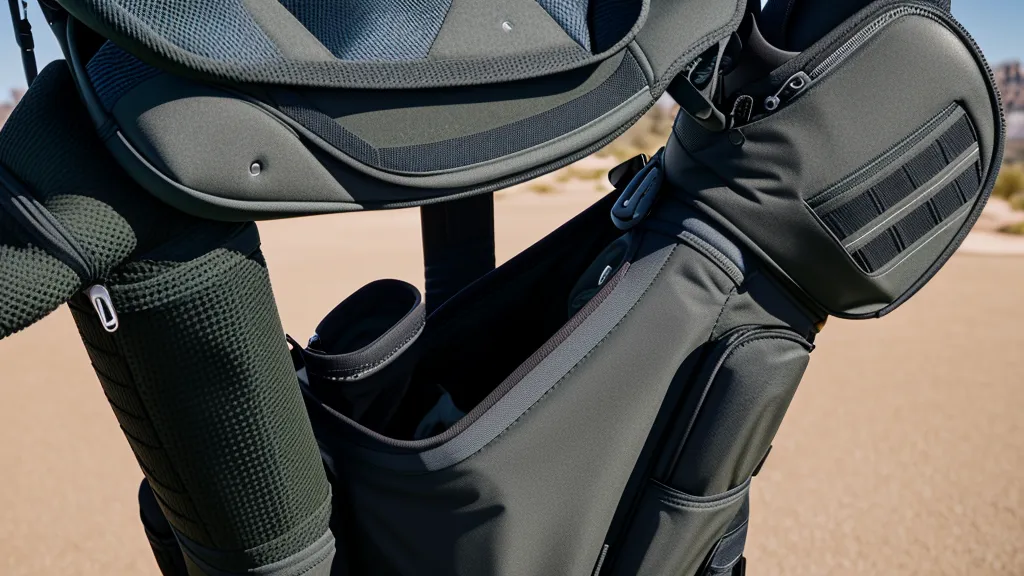
Sunscreen and warmed rubber is the smell that actually matters, not the fresh-out-of-the-box one. Unzip a bag that's spent a round baking in a black truck bed and that's what greets you, and the Vice cover handles that heat without the nylon going brittle at the seams the way a couple of budget covers I owned did by their second summer.
Take The Push-Cart Wheels Off Before You Start The Timer
Packing for that Oregon trip taught me the one detail no spec sheet mentions. Forty minutes went by while I tried wedging my Alphard-converted push cart into the bag fully assembled, and nothing worked until I pulled the wheels off and tucked them into the side pockets. Everything clicked into place after that. Cart stability on a hilly layout is a separate problem from packing that same cart for a flight; a setup that tracks straight on a slope can still be the wrong shape for cargo.
Is The Extra Weight Worth Carrying Through A Jetway?
Most airlines cap checked bags at fifty pounds before the fees start eating into a trip's dinner budget, and this cover is not the lightest option against that ceiling. That's the real tradeoff, not protection. A stand bag built for a walker runs the same math on a smaller scale; load on too much padding and shoulders feel it before the round's over, which is exactly why a walking bag and a travel case solve two different problems even though they look related. Weaving this thing through a crowded terminal on a cart, you feel every inch of the bulk, and I'd still take that over a cracked hard shell any day.
Traction problems taught me the same lesson about spec sheets. A pair of big-box spikeless shoes I grabbed on sale lost their grip completely the first time I hit the hardpan waste areas at Raven Golf Club at South Mountain, and nothing on the box warned me that would happen. Bag or shoes, the only test that means anything is what the gear does in the exact conditions you use it in, not what it does in a photo.
A Frozen O'Hare Tarmac Made The Case For Me
A connection through Chicago just after New Year's put the cover through the worst of it. Ground crew left my bag out on the tarmac in a freezing downpour long enough that I watched the whole thing from the terminal window, worried about the SWAG Golf Putter riding inside; that head is milled from 303 stainless and isn't cheap to replace if a shaft snaps in transit. Skip Dabrowski, who tees off with me most Saturdays and never once slows down no matter how the round is going, told me before that trip the zippers wouldn't survive a season. He was wrong. They're oversized, closer to what you'd find on a serious outdoor backpack than a golf bag, and they haven't snagged once, not even stuffed with an extra pair of FootJoy shoes in the front pocket.
Comparing The Protection Standards
Titleist and FootJoy gear set the standard I measure everything else against, so here's how the Vice setup stacked up against a standard OEM hard case and a budget soft shell across a season of real travel.
| Feature | Vice Golf Travel Cover | Standard OEM Hard Case | Budget Soft Shell |
|---|---|---|---|
| Material | Heavy Ballistic Nylon | Molded Plastic | 600D Polyester |
| Maneuverability | Moderate (Bulky) | Difficult (Large) | High (Lightweight) |
| Water Resistance | High (Coated) | Total | Low |
| Weight | Approx 12 lbs | 18+ lbs | 7-9 lbs |
None of that table covers what rides inside the bag on the way to the course, which matters just as much. Kenny Prater, a guy I keep running into on Saturday mornings, tests low-compression balls against different heat conditions constantly, and half his sleeves come back scuffed badly enough that cover durability on cart paths says more than any compression number. The gloves riding in the same side pocket have to survive real desert heat without going stiff, and the putter grip next to them has to hold its tack through a sweaty downstroke instead of going slick at the worst moment. A travel bag is only as good as its worst piece of cargo.
Back in the garage where I keep score on all of this, the bag goes straight onto the rolling steel cart I use for whatever's currently under test, right next to whatever shoes and gloves are in rotation with it. The pegboard on the wall behind it holds every grip I own, sorted thin to fat, and the cinder block wall next to that carries a running tally, in marker, of how many rounds each piece has seen. By early afternoon the west-facing window throws enough flat sun through there to wash out a phone screen, which is exactly when I check the nylon exterior for fading.
Who This Vice Golf Review Is Actually For
If a golf trip happens once a year, a cheaper cover will probably survive it, and there's no reason to overspend protecting clubs that fly twice a decade. Playing multiple rounds a week and traveling for golf more than once or twice a year changes the math completely; that's where heavier nylon earns its keep instead of just adding bulk. The rule I'd give another regular at the bar is simple: judge a travel bag by what survives baggage handling in bad weather, not by how neatly it folds down in a showroom, because a showroom never tests a frozen tarmac.
The Alphard Golf Club Booster V2Pro already carries a 36-hole battery I don't want banged around in transit, and this case treats it like cargo that actually matters. That's the whole point of paying for real protection instead of a marketing deck.
This is still the only travel setup that hasn't put a knot in my stomach handing it to a gate agent. Anyone upgrading a milled putter collection or finally protecting an Alphard Club Booster V2Pro should treat the case with the same seriousness as the clubs riding inside it, because a cracked shaft costs a lot more than a decent bag ever will.