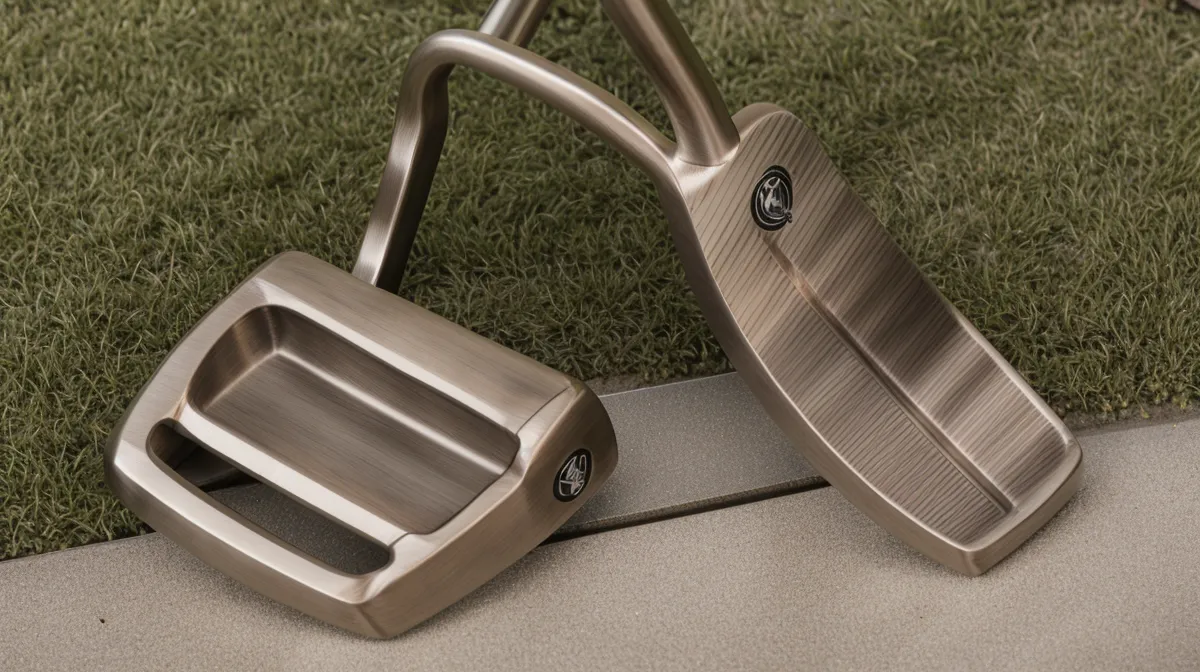
How much is a putter headcover you will never let touch a wet cart path actually worth? I still don't have a clean answer; I've spent two seasons chasing SWAG Golf drops from my Scottsdale office, refreshing a browser tab between calls about warehouse leases. Disclosure: some links on this page send commerce my way, and when a reader buys gear through one I earn a commission at no extra cost to you. Somewhere along the way I turned into the guy at the club who collects putters he doesn't need, and this piece walks through what that habit actually bought me over fifty rounds.
The Scottsdale Habit I Can't Explain to Non-Golfers
Walking eighteen holes three times a week replaced a running habit my knee vetoed years back. A reconstructed knee does not forgive a bad swing, and it forgives a heavy bag even less. After rotating through more setups than I can count on one hand, I've settled on this: gear works like a daily-driver truck. It has to hold up when you are tired, and it has to hold value when you trade it in. That is the whole reason SWAG Golf caught my attention in the first place. A mass-market putter is a work boot; you wear it until the sole splits and pitch it in the trash. This one is closer to a leather wallet that actually gets better looking the longer you carry it.
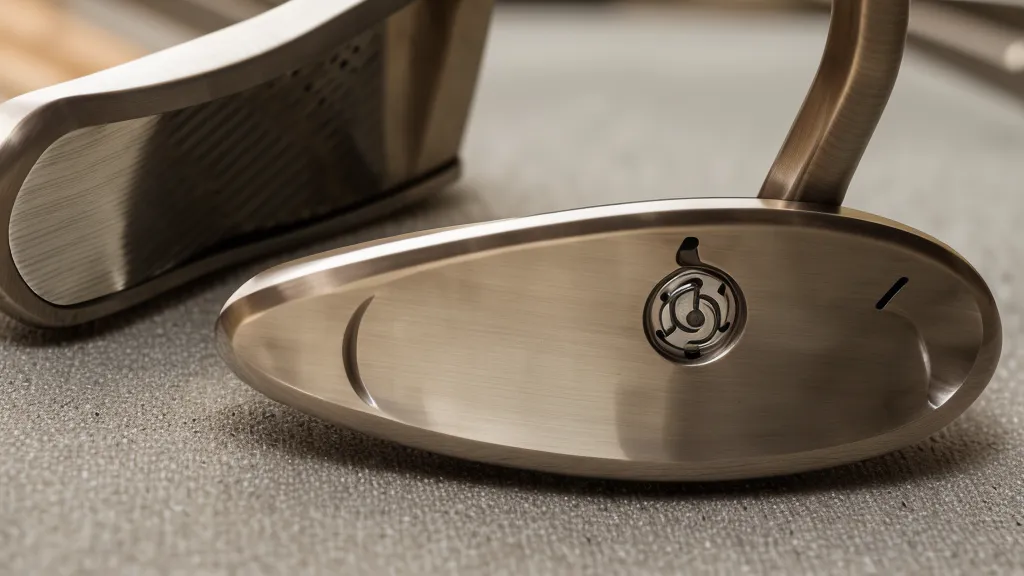
The head itself is milled from 303 stainless, the same industrial-grade steel most premium putter makers reach for because it holds a soft feel without a plated finish. Valley greens shift fast across a season; you start winter on overseeded rye and finish summer on crusty Bermuda, and a milled face reads different off both. That consistency is what sold me on carrying the thing past the first few rounds.
Why Does a Headcover Cost More Than a Driver?
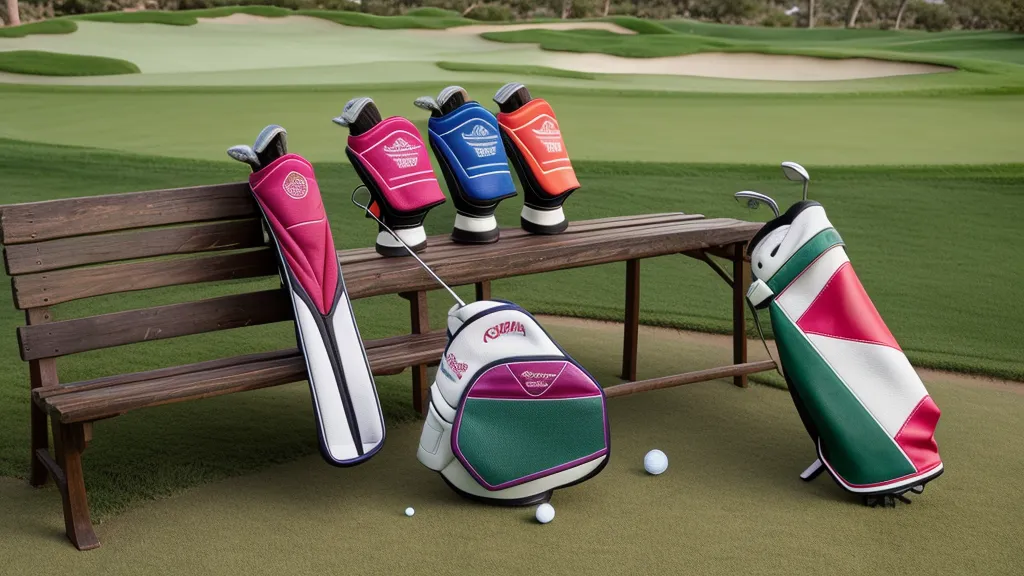
One Tuesday morning I actually tried to join a drop; I wanted a skull-themed cover to match a new mallet head, screen loaded, thumb ready. My phone auto-filled an old office address at checkout, and by the time I fixed it, the run had sold out. That is the toll for the custom stuff: you are either fast or you are paying a premium later on the secondary market. Hank, who I play with most Wednesday mornings, reads every catalog SWAG puts out cover to cover and has never once pulled the trigger; he says the pictures are half the fun. I don't have that kind of restraint.
A SWAG Golf Putter holds its resale value in a way a mass-market flatstick simply does not, because the limited runs create real scarcity once a drop closes. I have watched playing partners eye my headcover and do the math in their head. It makes the sting of the price tag a little easier to sit with, though the custom DGAP build option adds a long wait if you want something truly one-off.
Fifty Rounds With the Milled Head
Six weeks into this year's rotation, I caught a 6-iron clean at Aguila; no sting up the shaft, just a soft, dead thud, and that round is still the one I check new gear against in my notebook. The putter took longer to earn trust. Lag putting improved once I stopped babying the takeaway, and a milled face gives feedback an insert simply cannot; you hear the miss before you see it. Grip pressure matters more with a head this dense, and I run a slightly thicker grip than stock because a fatter grip quiets my hands on the short ones. A mallet head like this one is also more forgiving on a stroke that wanders off-line than a blade will ever be, which is worth knowing before you spend real money chasing the tour look.
Back in the garage, where the spare grips hang pegged up by width and the round count gets inked straight onto the block wall, I ran a thumb across the milling after a muddy Saturday and could feel where the face pattern had already started polishing under repeated strikes. Ball choice matters just as much as the flatstick itself. I got a genuine 'tink' off the milled face meeting a Vice Pro Plus on a cold morning, sharper than anything an insert gives you, and you can choose Vice Golf balls based on your real performance rather than what the pro shop rack pushes. Cover durability off the desert's granite cart paths separates the balls that survive a full bag from the ones that scuff by the back nine, and a ball matched to a moderate swing speed spins predictably enough that you are not guessing on approach.
For full-swing consistency I lean on Titleist Pro V1s, mostly because the number never changes round to round, and that predictability matters more to my score than another five yards off the tee. If the jump from blades still intimidates you, the best Titleist T-Series irons for forgiveness are worth a look before you spend real money on a putter upgrade; a forgiving iron head with a hotter launch saves more strokes than a fancy grip ever will. I dropped my long irons for a utility hybrid two seasons back and never looked back, since a hybrid launches higher and lands softer than a 3-iron I could never quite trust. On the visibility side, a ball that stays easy to track against desert glare saves you a search on every approach that drifts right.
The Rest of the Bag Has to Earn Its Spot
A cheap aluminum push cart nearly put me on the ground once; the front wheel wobbled and it damn near tipped on a downhill stretch at Aguila before I ditched it for good. Stability under load matters more than folded size in a trunk, though a cart that collapses small enough for a compact SUV still counts for something on a three-round week. These days I run the Alphard Golf Club Booster V2Pro, which turns a plain push cart into a remote-controlled caddy and keeps the throb out of my reconstructed knee after eighteen holes. I wrote up the full switch in the walk without the weight notebook entry, including the learning curve on battery management those first few rounds. A powered assist like that is the only reason I still walk instead of riding a rented cart three days a week.
Bag weight is its own math problem once you are pushing instead of carrying. A stand bag loaded for eighteen still needs to sit light enough that the cart's front wheel does not wander on a slope. Gloves wear out fast in desert heat no matter the brand; I replace mine well before the stitching actually fails, since a sweaty palm ruins feel on the short putts. Morning dew still soaks through mesh uppers on the first few holes before the sun burns it off, a cold seep you feel through the sock before you feel it anywhere else. Footwear stability is the piece I will not skimp on anymore. I rely on FootJoy because the flagship line carries a real waterproof warranty, and early irrigation leaves standing water on the first six holes most mornings. Traction on hardpan waste areas separates a shoe that holds its line from one that slides mid-swing, and lateral support through the ankle is what keeps my knee out of trouble on a bad lie. The best FootJoy golf shoes for extra lateral support are the only pair that has kept my setup consistent enough to trust a ten-footer with this putter. A wedge with the wrong bounce digs instead of sliding through hard desert turf, which is a cheaper fix than most players think before they blame the swing.
Is the Hype Worth It?
The hype holds up. A putter will not fix a stroke that breaks down under pressure, and I still have rounds where nothing behind the ball goes right no matter what is in my hands. But as a precision tool that holds value and looks better in the bag than anything else I own, SWAG Golf earns its spot. My putts-per-round average sits close to two strokes lower than it did when I started this notebook, and the number matters less to me now than actually wanting to practice with the thing. If a collector-grade flatstick that performs on a Sunday money game sounds like your kind of obsession, this is the one to chase. If you would rather leave a putter in the trunk and never think about it again, a mass-market option will serve you just as well for a lot less hassle.
SWAG Golf Putter
Pros
- ✔ Exceptional 303 stainless steel milling for crisp feedback
- ✔ High resale value compared to mass-market brands
- ✔ Unique headcover designs that stand out on any bag
- ✔ Assembled in the USA with strict quality control
Cons
- ✘ Extremely difficult to buy during limited drops
- ✘ Premium price point is a significant initial investment