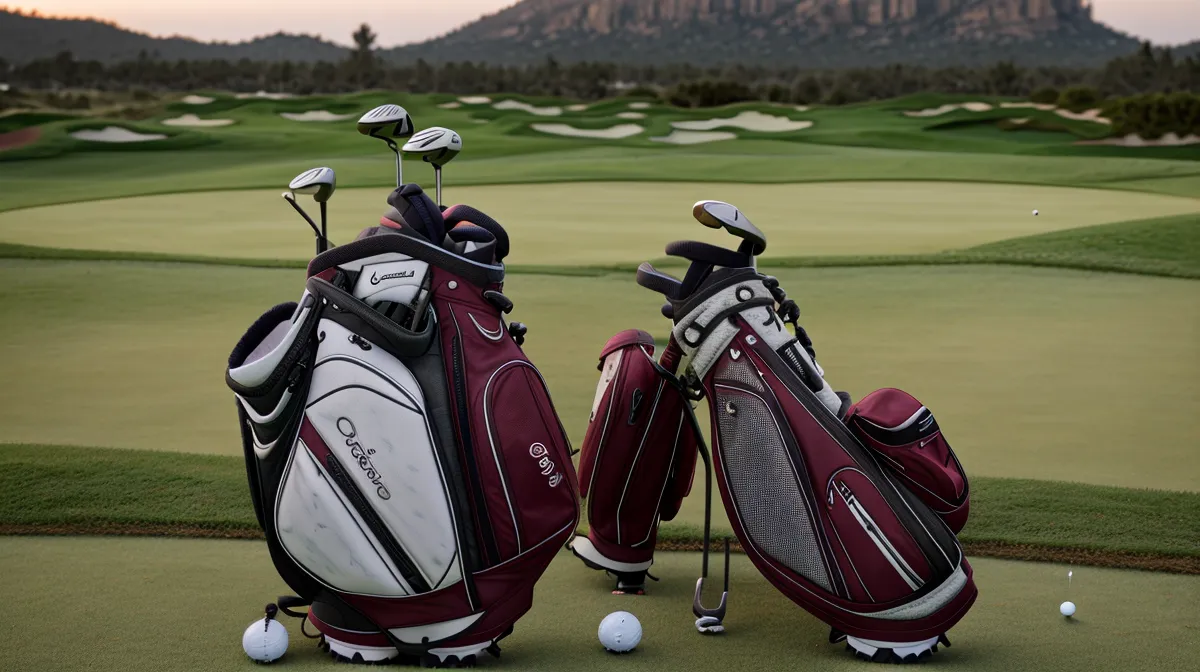
Four pounds. That's roughly what three dozen golf balls add to a bag before a single club goes in, and it's the number most walkers pricing a lightweight Vice Golf bag for walking golf around Talking Stick in Scottsdale never bother to add up. My knee, the one that ended my running days back in 2020, doesn't care what a tag claims for empty weight; it cares about everything crossing five or six miles of desert heat by early afternoon. On the 9th green a few weeks back, I rolled a lag putt from twenty-two feet and felt my forearms staying loose through the stroke instead of burning the way they used to by that point in a round. That's when the math finally clicked.
Quick disclosure before the weeds: some of the links below send a small commission my way if you buy through them, at no extra cost to you. I only write about gear that's been dragged through forty or fifty rounds of my own notebook, no press kits and no loaner units. Full details live in the Editorial Policy.
The 'Lighter Bag Fixes Everything' Myth
Every gear review site treats bag weight as the whole equation: buy something under a certain number on the tag and your walking problems disappear. That's the myth, and it costs walkers money on the wrong upgrade. A bag's printed weight is only the shell. Everything you load into it, and how the frame holds up round after round in real heat, is what actually decides whether you're dragging or gliding by the back nine.
Walking eighteen holes in Scottsdale covers five to seven miles depending on the routing, and I carry the USGA-legal fourteen clubs as a non-negotiable. What most walkers skip auditing is the rest of the load. A golf ball weighs about 1.62 ounces; three dozen of them gets close to that four-pound figure from the top of this piece, sitting as dead weight in a pocket most golfers never think to empty. Once I ran that math, I swapped my old tour-style bag for the Vice Golf Force to see whether a direct-to-consumer carry bag could survive an Arizona summer instead of just an Arizona spring.
The Vice Force After Fifty-Plus Walking Rounds
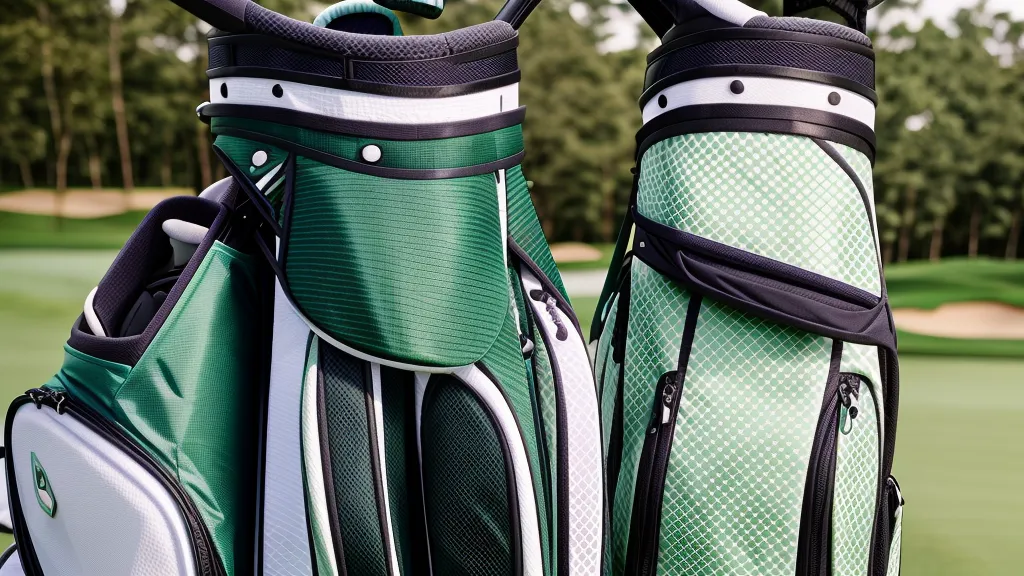
Fifty-plus rounds is where most bags start telling the truth. Mine has gone through the tail end of monsoon season, the cooldown in late October, and one frost-delay morning that pushed the tee time back two hours. Cheap material usually goes chalky and stiff after about three months of that rotation; the Vice fabric still looks close to day one.
The leg mechanism is the real standout. Mine has rotated through over a dozen bags in the past few years, and the legs usually start sagging or refusing to deploy by round thirty. This one still snaps out clean on the uneven hardpan lies you find on a desert waste area.
Back in the garage where I keep every bag, shoe, and glove currently in testing lined up on a rolling steel cart, with a cinder-block wall nearby where I mark off rounds in black paint marker, the Vice divider held up fine next to my SWAG Golf Putter. Skip Dabrowski, who I play with most Saturdays, has a strong opinion about putter face milling and will give it to you whether you asked or not; his running commentary on the SWAG's face pattern is half the reason I started paying attention to whether a bag's padding actually protects a finish like that or just looks like it does.
Strap Padding Doesn't Equal Comfort
Reviewers treat plush straps as an automatic win, and that's another version of the same myth: more padding, better bag, full stop. After three walking rounds a week for years, my read is different. More padding adds comfort during the round but adds bulk everywhere else; it gets harder to wedge the bag into a crowded truck bed or a tight storage rack between rounds. The Vice bag sits in the middle of that trade-off. It's not a pillow strap, but it isn't digging into my shoulder by the sixteenth hole either.
Grip pressure matters here too, though that's really a putter conversation more than a bag one; how firmly you're holding a putter face has more to do with wrist tension than with anything hanging off your shoulder. If you want the deeper dive on flatstick feel, I wrote up my notes separately in Best Milled Putters for Amateurs Looking for Better Feel on Greens.
Pairing a Lightweight Bag with the Alphard Push Cart
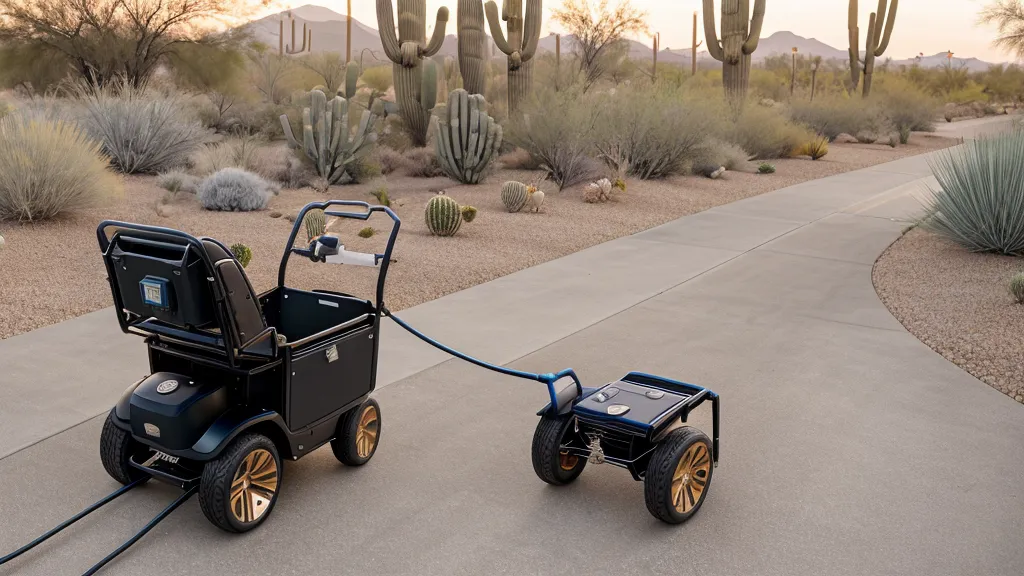
None of that weight math matters much if the terrain does the damage instead. The real fix for my knee came from combining a light carry bag with the Alphard Golf Club Booster V2Pro, which converts a standard push cart into a remote-controlled electric caddy. Push-cart stability on hilly ground is its own topic; a cart that tracks straight on a slope saves your wrists as much as a light bag saves your shoulders, and I'd rather solve both problems than lean on one.
Running a lighter bag on an electric cart still matters because it saves the motor and the battery instead of making the cart do all the work while the bag just rides along. My heart rate stays lower through the closing holes, and my notebook entries get more precise because I'm not fighting fatigue by the time I'm reading a break. For the mechanical side of that comparison, I put together the Golf Push Cart Comparison: Weight, Fold Size, and Features by Model.
The Bag Held Up; the Ball Cover Didn't
By the time an early heatwave rolls through, most of my playing partners' bags look ragged; the Vice fabric has a water-resistant coating that seems to shrug off the fine dust that usually works its way into everything else. Ball durability in this climate is its own rabbit hole. Cart-path scuffs do more damage here than anywhere I've played, and the cover on the Vice Golf Pro Plus balls I use is a step behind the tour standard on that front, though the bags themselves have been tanks.
Footwear taught me the same lesson the hard way. A pair of big-box spikeless shoes I bought to save money lost their grip completely on the hardpan waste areas past the fairway, and I nearly went down chasing a wayward drive because of it. Traction on hardpan is a different problem than traction on grass, and a bargain outsole doesn't solve it. I've been rotating through FootJoy Pro/SLX since, which gives my knee the stability it needs without the weight of a traditional spiked shoe.
Gloves wear out on their own schedule in this heat, and that's worth its own gear log rather than a footnote here, but the short version is that longevity in July has almost nothing to do with what a glove costs.
The Walking Setup That Actually Works
My handicap sits in the low teens most seasons, and putts per round hover around thirty; not tour numbers, just a mid-pack amateur who keeps a spreadsheet. What moved the needle wasn't a swing change, it was stripping the equipment down to what actually earns a spot in the bag. Compression matching and launch forgiveness are real considerations for a swing like mine, but they're a separate conversation from what you strap to your back for five miles, so a lightweight bag was never going to fix a mis-fit iron set too.
Putter-head forgiveness is worth a word here too: a forgiving mallet bails out a bad stroke more than a blade does, and that's part of why I stopped rushing putts with my SWAG blade once I wasn't exhausted by the back nine anymore. Kenny Prater, a regular I keep crossing paths with on Saturday rounds, thinks premium ball pricing is mostly marketing, and he'll argue that point between almost every hole if you let him; he's not entirely wrong about Titleist, but he hasn't put fifty rounds on a direct-to-consumer alternative to know where the real gap shows up.
So here's the actual rule, not the marketing one: audit total system weight, not just the number printed on a bag tag, and treat strap padding as a storage trade-off instead of an automatic upgrade. Whether that lands you on a Vice bag, a Titleist ball, or whatever a regular playing partner talks you into on the back nine, weigh the whole kit before you decide anything's too heavy to fix.