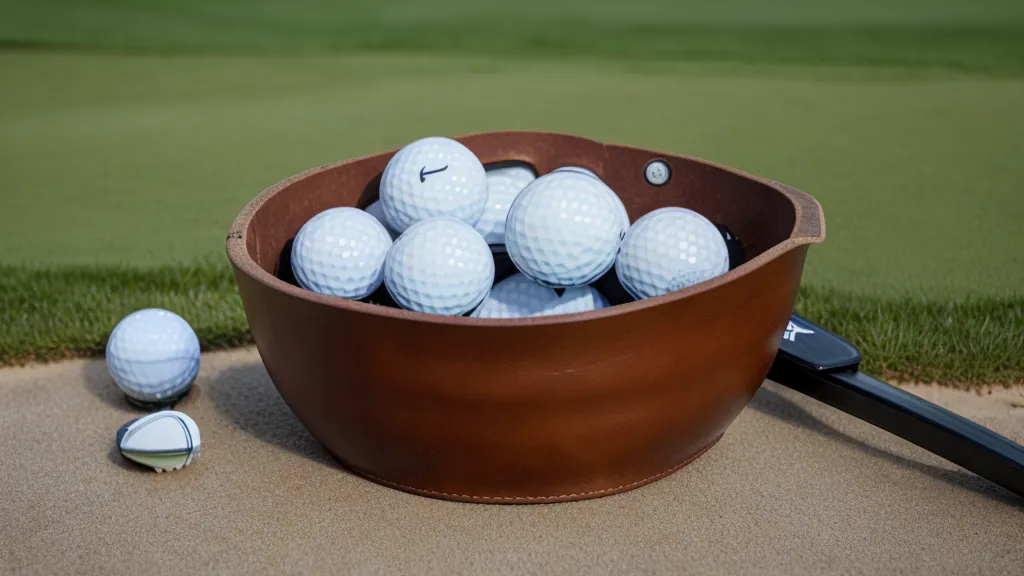
A dozen tour-standard balls and a dozen direct-to-consumer ones look almost identical laid out on a bench after a round; only one of them keeps taking money out of your pocket every single week you're losing sleeves to the desert scrub.
This piece links to Vice Golf and a few other brands I've actually bought and used; if you buy through those links, I earn a small commission at no extra cost to you. Six years into walking courses around the Phoenix valley since a bad knee ended my running days, I treat gear like a line item on a spreadsheet: if it doesn't pencil out after enough rounds, it gets cut from the bag. I'm carrying a 13 handicap into this season, good enough to notice a bad piece of gear but not good enough to blame the equipment for everything. Scottsdale summers are brutal on equipment, and durability holds up differently on a walking round than it does riding a cart all day; the friction, the heat, and the constant bounce against a hip add up fast.
Switching to Vice Balls Doesn't Cost You Distance
Short answer: not enough to show up on a scorecard.
Kenny Prater, a playing partner I run into on weekend rounds now and then, is constantly running low-compression balls through hot-weather rounds just to see what holds up; he's the one who talked me into actually tracking the Vice Pro Plus against my box of Titleist Pro V1x instead of trusting the marketing copy. Over a season of comparing them hole for hole, the flight numbers landed close enough that I couldn't call a winner off feel alone. What I could measure was the wallet, and I ended up saving about twenty bucks a dozen without giving up a yard of carry. My full breakdown lives in the Vice Pro vs Titleist Pro V1 comparison, if you want the hole-by-hole notes.
The cover on the Pro Plus scuffs a little faster than the Pro V1x if you catch a cart path or a rocky waste area. A walker crossing turf and rough all day sees less of that wear than someone parking on pavement every hole, though. How the cover holds up over a full bag's life is really its own topic, and so is matching compression to swing speed or picking a color you can actually track against desert dirt. For me, the trade only matters if you're losing balls at a rate that makes the price gap moot in the first place.
Adding an Alphard Booster to the Walking Bag
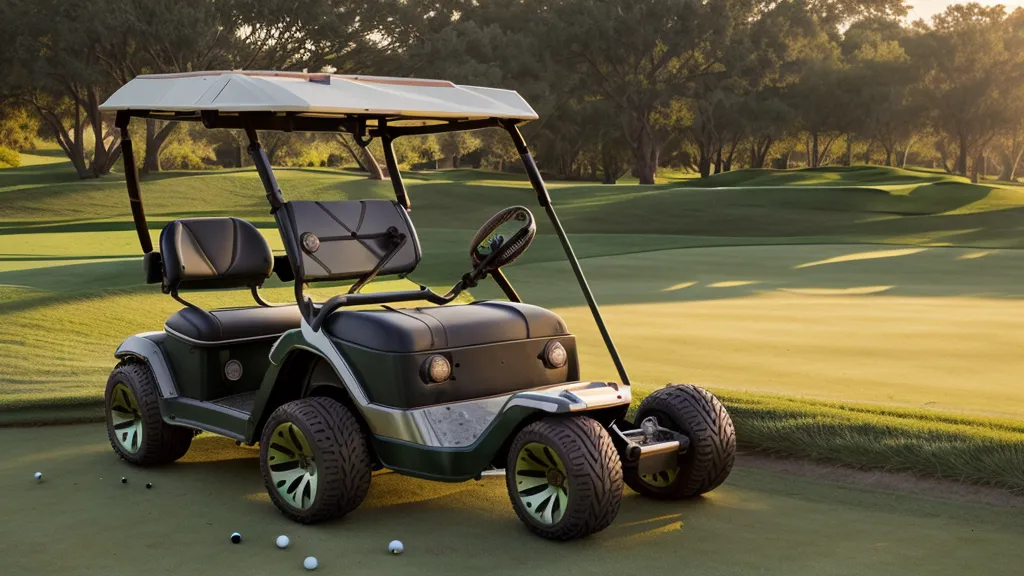
Bolting the Alphard Golf Club Booster V2Pro onto my push cart turns it into something closer to a remote-control caddy, and for a knee that doesn't love carrying anymore, that trade is worth making. Setup took less than half an hour on my existing cart, and the battery is rated for 36 holes on a single charge; I've pushed it deep into a Kierland back nine on a scorching afternoon and still had juice left over for range time after.
Skip Dabrowski, who I play with most other Saturdays, is the fastest mover in any group we're in regardless of the score, and he clocked the Alphard within a round: "that thing doesn't slow you down at all." Front-wheel tracking can drift a little on uneven ground until the weight balance sits right; that took a fair bit of trial and error on my own cart before it settled in. Once it's sorted, the brake catches with a short metallic click when you stop hard on a cart path, nothing like the softer give of a manual lever. Battery packs do fade after a couple of heavy seasons, and replacing one isn't cheap, so factor that into the math if you're pushing three rounds a week like I am. Whether it folds down small enough for your trunk, or how it stacks up against other electric assists, are questions for another day; this one's just about whether it belongs on a walker's cart, and for me it does.
The SWAG Putter and Vice's Accessory Lineup
On the greens, a SWAG Golf Putter milled from 303 stainless steel has been rotating through my bag alongside my usual gamer, and the head weight sits differently in a way that's hard to put into words until you've stood over a ten-footer with it. Drops sell out inside minutes, so if you see a head you like, don't wait around debating it. Collectors chase the whole ecosystem too; I wrote up my notes on the best SWAG Golf putter headcovers separately, since that's its own rabbit hole. How forgiving a mallet head is off-center, or how much grip pressure actually changes on a hot back nine, matters more for your stroke than the steel it's milled from; that's a deeper conversation than a putter review needs here.
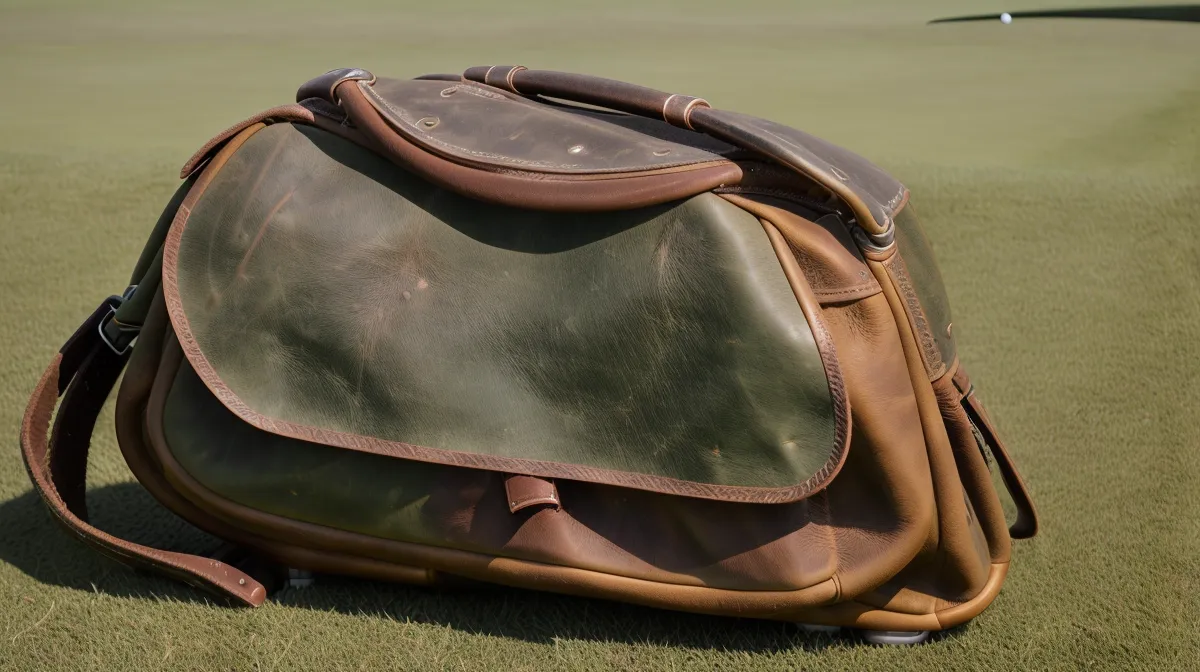
Vice leans hard into the accessory side too, and the towels and caps have earned a permanent spot in my rotation; they clean up in the wash better than the cotton rags they replaced and don't look ragged after a season of getting dirty. The bag is where I'd pump the brakes a little. Mine picked up a zipper that started catching after one rainy morning, and while the customization options are great for standing out at a public course, the stitching and structure don't feel built for a decade of abuse the way a legacy bag does. Total strap-and-frame weight matters even more for a walker than a cart player, and that's a separate comparison worth its own space rather than a paragraph here.
FootJoy and Vice Gloves Earn Their Keep on Durability
Before FootJoy, I tried a pair of spikeless shoes off a big-box shelf, and the soles gave up completely the first time I crossed a hardpan waste area; no grip left at all, like trying to stand on packed flour. That was enough to convince me the shoe budget isn't where you cut corners as a walker. FootJoy shoes have held up since, and the flagship waterproof warranty running two years matters more than it sounds like it should once the winter overseeding turns the fairways soggy.
Gloves matter just as much in the heat. How long a glove's tack survives sweat through an August round is its own durability question, separate from what keeps a shoe's outsole biting into hardpan or granite. What sold me on spending more on footwear happened after a 36-hole Saturday, flipping back through the scorecard afterward and realizing, almost as an afterthought, that neither foot had a single blister to show for it, first time that had happened after a day that long. My Titleist Pro V1 vs. Vice Pro Plus notes cover the ball side of that same balance: spend where your body takes the hit, save on what gets replaced every few rounds anyway.
Whether Walkers Should Make the Switch
Every piece of gear that comes through gets logged against a running round count marked in paint on the cinder block wall of my garage, right next to a pegboard where grips are lined up thin to fat so I can grab whichever one I'm testing next. A rolling cart nearby holds whatever bag, shoes, and gloves are currently in rotation, and by early afternoon the one window in there throws enough flat sun to make you squint at the label print. None of that changes the math, though. The real question is whether the savings hold up once you've actually played the gear, not just unboxed it.
Legacy bags still hold the edge on structure, so my main bag isn't switching yet. But the balls, towels, and other small stuff you replace every season are where the savings are real, without giving up performance you'd notice on a scorecard. Start with a dozen Pro Plus and a decent towel before committing to anything bigger. If the direct-to-consumer model appeals to you the way it did me, the current lineup at Vice Golf is worth a look.
| Product | Rating | |
|---|---|---|
| Vice Golf Best Value | 8.9 | Read More → |
| Alphard Golf Club Booster V2Pro Editor's Pick | 9.4 | Read More → |
| SWAG Golf Putter | 9.1 | Read More → |
| Titleist | 9.3 | Read More → |
| FootJoy | 9.0 | Read More → |
Vice Golf
Pros
- ✔ Pro Plus performance matches tour-level balls at a fraction of the cost
- ✔ Direct-to-consumer model saves significant money on high-volume consumables
- ✔ Aesthetic designs stand out in a sea of generic corporate branding
Cons
- ✘ Bag durability lacks the long-term structural integrity of legacy brands
- ✘ Ball covers scuff more easily on desert rocks and cart paths