
Predicting how many rounds a stock Velcro headcover will protect a milled putter face is impossible. Ask that in any pro shop and you get a shrug, because most golf accessories get sold on looks, not survival odds. Putter covers are treated as an afterthought right up until a milled flatstick picks up its first ding in a crowded cart basket, and then equipment durability becomes the only spec that matters. SWAG Golf built its name on limited drops and collector hype, but almost nobody reviews whether the thing holds up once golf collecting turns into three rounds a week on public Arizona courses.
A quick note before the breakdown: a handful of links here send commerce my way, and if you buy gear through one I earn a small commission at no extra cost to you. Nothing in this piece comes from a press kit or a borrowed loaner; every cover mentioned got rotated through my own bag on real rounds. The full policy and testing notes live on my Editorial Policy page.
Why the Closure Matters More Than the Fabric
Most guys my age collect watches; I collect headcovers, and the reason ties directly to where I play. The Scottsdale area alone has close to two hundred courses within reach, and the fine sand blowing across those fairways will eat a cheap headcover alive within a season. Once you are rolling a milled flatstick instead of a cast one, protecting the face stops being optional.
Start with the closure, not the stitching, since that is the part that fails first on a stock cover. OEM options lean on a strip of Velcro, and that strip goes bald fast. Mine was worn smooth by round thirty, then it either dropped off on the cart path or stayed clamped in the range basket while I walked to the tee without it. A premium putter milled from 303 stainless steel cannot take that kind of chatter. The metal is soft enough to dent against a zipper pull or a stray tee in the bottom of the bag. What actually works is closer to a good work boot: rigid on the outside, cushioned against the head, built to take a beating without complaining.
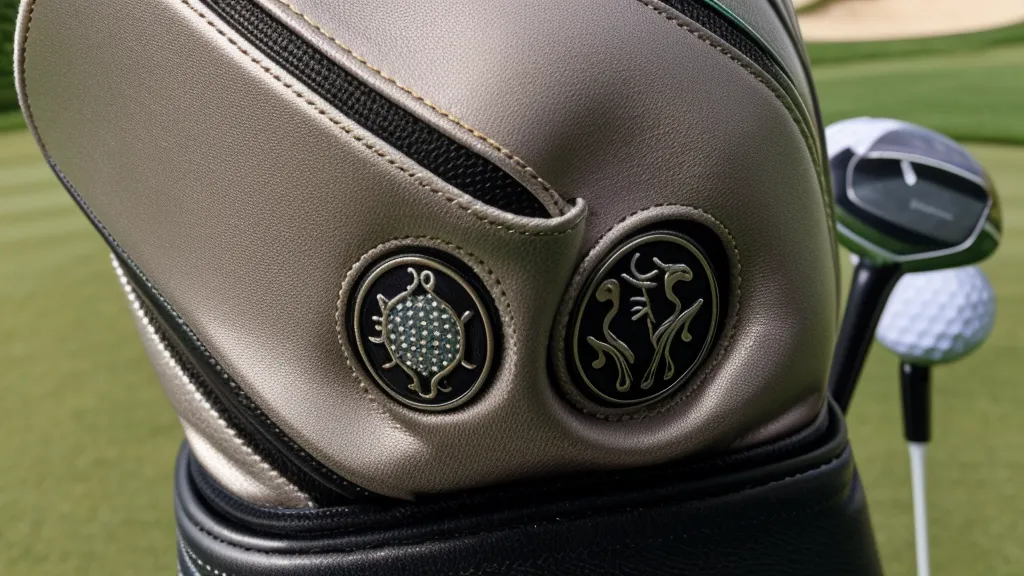
The Magnetic Clack That Actually Holds Up
The best closures now use hidden magnets instead of hook-and-loop, and the difference shows up the first time a cover slides over a milled head and locks with a heavy, satisfying clack. I have tested that closure across several covers in the SWAG Golf Putter lineup. Unlike Velcro, a magnet does not lose pull over time; it grips the same on the two-hundredth round as it did on the first. There is a practical test worth running before you buy: set the cover on the putter head and try lifting the whole thing an inch using just the edge of another club. If the magnet holds, that cover can be grabbed and lifted without bending all the way down, which matters more than it sounds once a knee or a lower back has an opinion about it.
Stitching Density and Color: The Real Grit Test
Stitching density is the second thing worth checking before a cover earns a permanent spot in the bag. Loose embroidery leaves gaps where fine grit works its way in, and sand sitting against a putter face acts like sandpaper on every practice stroke. On a gusty afternoon at Las Sendas Golf Club, grit off the waste areas gets into everything. I have pulled cheaper covers off cheaper putters with a fine layer of dust already ground into the lining. Hold a cover up to the light before buying it. If daylight shows through the stitch lines, sand will find its way through those same gaps on the course.
Color matters here too, more than most collectors admit. Set a bright yellow cover down in the first cut at Las Sendas and it stays visible from eighty yards away, even with the sun glaring straight off the fairway. That visibility is not just a collector flex. It is the reason a dropped cover gets spotted in five seconds instead of turning a foursome into a search party. A friend of mine competes in USTA league tennis over at Chaparral Park and has zero interest in golf collecting. He only got the appeal once he watched a bright cover practically glow in the rough, while a plain black one nearly got left behind twenty yards away.
Not Every Piece of Gear Passes the Shop-Floor Test
Grips are where I have been burned worst, and the lesson carries over to how I judge any piece of gear now. A no-name oversized grip felt tacky and secure in the shop, then slipped mid-stroke the first humid morning my hands actually sweated on the course. Pulling it off later meant sitting with a grip solvent that stings sharp at the back of the throat for a few seconds. That kind of miss is why a shop feel test no longer means much to me for anything that has to perform under real heat, headcovers included. A cover that grips reassuringly on a cool showroom day can behave differently after four hours in July sun.
Are Premium Covers Worth It for a Budget-Conscious Player?
Budget-conscious college golfers need this kind of protection more than anyone with a country club bag tag. A college team travels rough: bags get stacked in the back of a van, gear gets tossed into shared locker rooms, and nothing along the way gets handled gently. A kid rolling a set of Vice Golf balls and a hand-me-down bag might still be protecting the one nice putter that has to survive four years of competitive play. A durable magnetic cover works as cheap insurance against a mangled putter face. It is the same math as a rugged phone case: a small cost now against a much bigger repair later. My Titleist Pro V1 vs. Vice Pro Plus comparison gets into that same cost logic in more detail, tracking what gear actually costs across a full season rather than at the register.
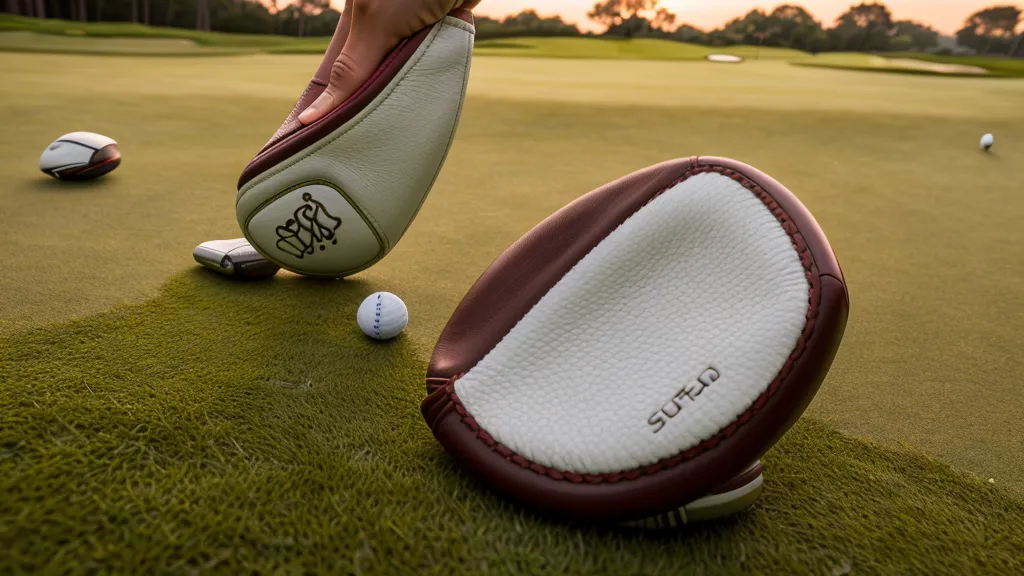
Splitting a Collection Into Vault Pieces and Daily Drivers
Every serious collector eventually splits a rotation into two categories: vault pieces that stay sealed for resale value, and daily drivers that actually see grass and cart baskets. Resale on a limited SWAG drop depends on unmarked, unused condition. Anything meant to hold value should never leave the house in the first place; the daily driver is the one built to take the real abuse. Anyone chasing the custom side of the hobby should know about the SWAG Golf DGAP custom putter program, though it typically runs close to a ninety-day wait before the finished flatstick ships. That is a long time for a putter, but starting with a standard drop gets the same build quality without babysitting a grail piece every time the bag gets left near the cart. My full hunt is written up in my pursuit of a SWAG putter across the Phoenix Valley.
What Fifty Rounds of Wear Reveals About Equipment Durability
Fifty rounds is the real test for any headcover, long enough for the differences to show clearly. Cheaper synthetic covers start cracking at the fold points somewhere around round thirty, while the better ones age like a good leather wallet: supple, not stiff, with no structural give. A magnet that still holds a wedge for a no-bend pickup after that many rounds tells you the pull was never marketing copy to begin with. Stitching with zero loose threads despite dozens of rounds in a cart basket and a bag pocket means the embroidery density held up under the grit test described above. A lining that has not thinned or matted down is the reason a putter face stays free of the tiny nicks that come from ordinary bag chatter. Color is the last checkpoint: Arizona UV bleaches car dashboards and patio furniture in a single season, so a cover that still looks close to its original shade after fifty rounds outdoors has actually earned its keep in the bag.
Protect the Milled Head Before You Chase the Next Drop
A headcover is a tool before it is a collectible, the same way a good work boot is a tool before it is a fashion statement. Hype drops and colorways are fun for anyone treating golf collecting as a hobby, but the tactile test that actually matters is whether the thing survives cart paths, van transport, and a full Arizona summer without turning into a rag. Whether the bag belongs to a Scottsdale broker or a college kid protecting the one putter he can afford, the closure, the stitching density, and the color all decide whether that protection is real or just packaging. Check those three things before the next drop goes live, and the wall-hanger-versus-daily-driver debate mostly answers itself.