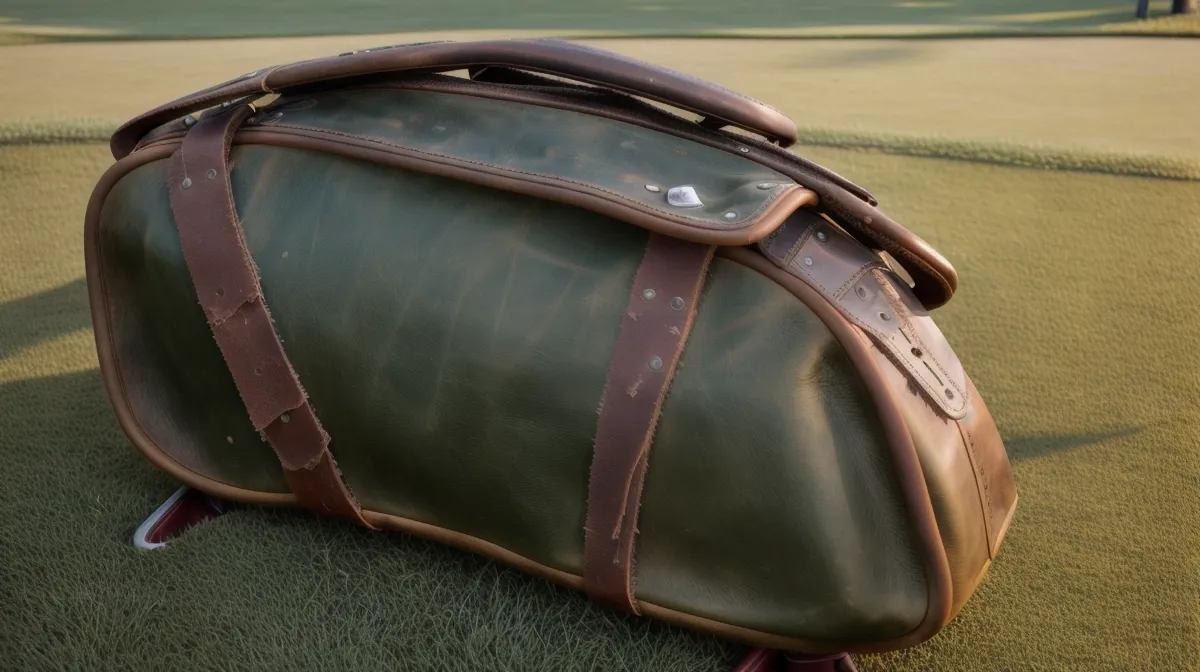
A dry 104 degrees sat over Phoenix as I stood by the oversized luggage belt at Sky Harbor late one evening. A guy two spots down grabbed his soft canvas travel bag off the steel slide, unzipped the top collar right there on the tile, and pulled out a driver head dangling by a frayed carbon-fiber tendon. That sickening snap made my decision instantly.
Before getting into how I solved this, a quick heads-up: some links on this page send commerce my way. When a reader buys golf gear through one, I earn a commission at no extra cost to you. The picks here come from gear I actually rotated through across real airport runs and summer rounds, never from press kits or loaners.
Between late May and early September of this year, escaping the Valley furnace meant packing my bag for five separate round trips into Oregon and Colorado. After four years of obsessively tracking every yardage, grip wear pattern, and cart setup in my notebook, I could not stomach trusting a twelve-handicap bag of fitted sticks to a sixty-dollar nylon sleeve. If you treat your clubs like daily-driver tools—the way you care for a good pair of work boots or an old leather wallet—you know baggage handlers do not share your sentiment.
The Geometry of Airport Abuse

Most golfers assume airline damage comes from drop impacts. That happens, sure; but the real killer is compression under shifting cargo pallets. Commercial airlines enforce strict luggage boundaries: the universal domestic standard allows 62 linear inches for regular luggage before oversized classification kicks in, and golf bags fly as sporting equipment subject to that relentless 50-pound checked bag limit.
When you wedge an oversized bag into an airline belly, it rarely sits on top. It sits underneath heavy roller luggage. Soft bags deflect that downward weight directly onto your longest club. Under the USGA Model Local Rule G-10, the maximum allowable club length sits at 46 inches; that means your driver crown and hosel sit right against the travel bag's structural apex. Without a rigid framework bearing the load, the shaft becomes the structural pillar of the entire bag. Graphite bends until it splinters.
I started testing rigid options in late May ahead of an Oregon trip. Pure full-length hard cases—the heavy plastic coffins that look like military footlockers—are virtually indestructible. But living with them is a nightmare. They weigh fifteen to eighteen pounds empty, instantly eating up your 50-pound ceiling. Worse, they will not bend to fit inside the trunk of a standard midsize rental car alongside your buddy's gear.
Dialing in Hard Shell Defense Without the Dead Weight
The sweet spot I landed on after running gear through five terminals is the hybrid rigid system: an ultra-tough, injection-molded or reinforced top clamshell mated to an abrasion-resistant, semi-rigid lower carriage. This is where Vice Golf caught my eye with their travel protection build. Many know them strictly for direct-to-consumer balls—something I broke down when looking at how amateur players lose balls—but their luggage hardware approaches gear like durable industrial nylon rather than golf fashion.
Loading my bag for the first flight out of Sky Harbor in mid-July was an exercise in weight management. My stand bag, fourteen clubs, alignment sticks, a dozen balls, and a pair of broken-in shoes weighed exactly forty-two pounds inside the case. That gave me eight pounds of cushion under the airline scale limit. If you walk courses back home with lightweight gear like the carry setups designed for walkers, you will appreciate not having the case itself gobble half your baggage allowance.
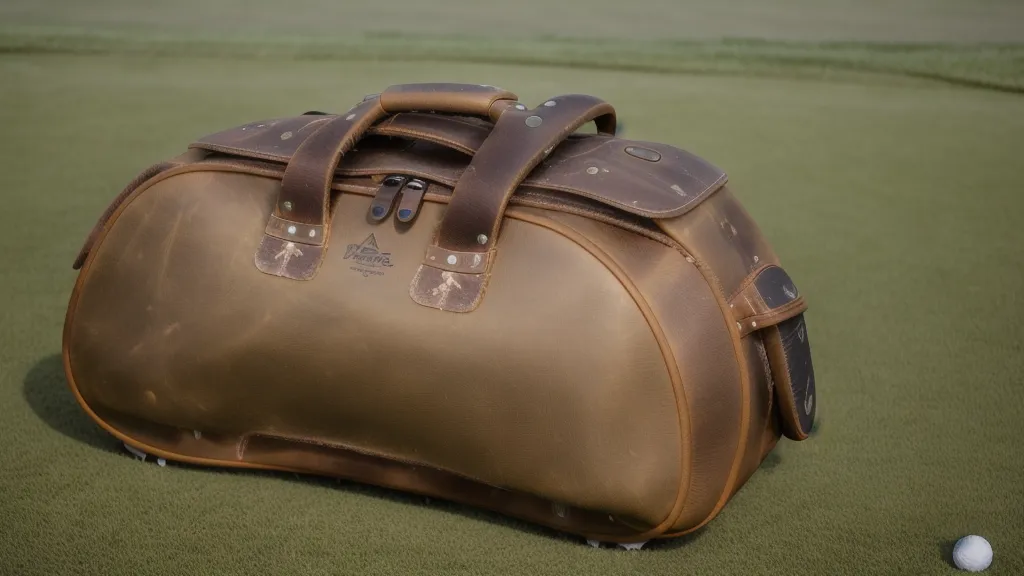
Sitting in the window seat over the tarmac before departure, I had that sudden stomach drop watching baggage handlers fling my travel case off the belly door directly onto a metal tarmac cart. It took a four-foot plunge, bounced off the corner of the cart's steel rail, and landed flat on its side. I winced. But when you build an impact-resistant top dome over the clubheads, the kinetic force disperses across the shell perimeter rather than driving down into the graphite tips.
The Denver Hotel Room Reality Check
The turning point for my trust in this setup came midway through July on the Colorado swing. After picking the bag up from the carousel in Denver, I opened the main zipper in my hotel room. Lying right on top of my towel was a neon yellow TSA inspection notice. Airport security had pulled the bag, unzipped the interior harnesses, and inspected the contents.
Anyone who travels with golf clubs knows the dread of an airport security repack. Inspectors rarely take care to align club headcovers or tuck alignment sticks under the stiff-arm bar. Yet despite black grease streaks along the exterior nylon from conveyor belts, the rigid upper shell had kept everything centered. The driver head was firmly seated in place; the graphite shafts were completely true. Packing the trunk the next morning, hearing that reassuring, hollow metallic thud of a graphite driver head resting immovably against reinforced shell padding inside a crowded trunk brought an immense wave of relief.
The Unspoken Flaw: When Hard Shells Backfire Internationally
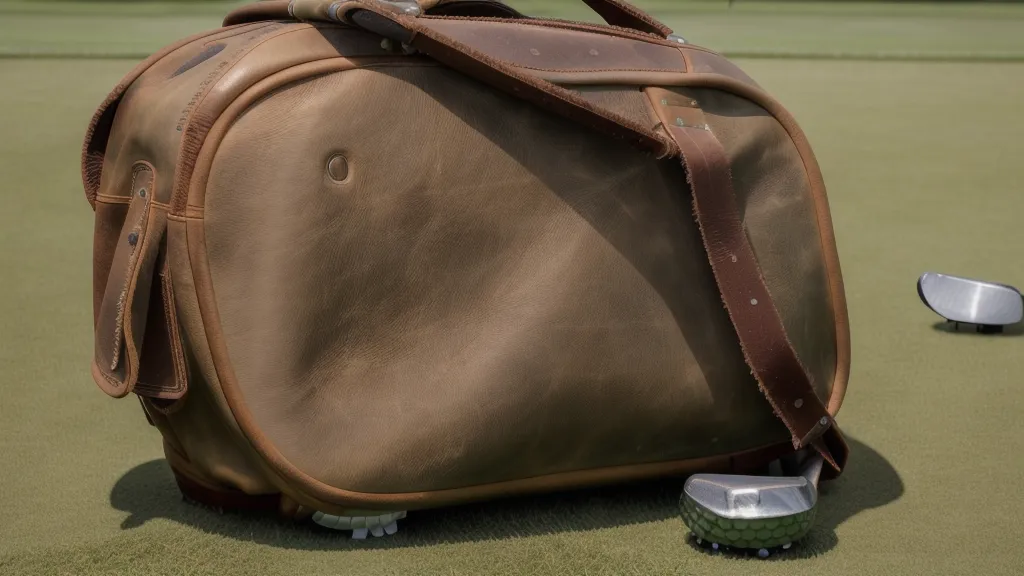
Here is something you will not read in glossy gear roundups: hard-shell cases are often inferior for international travel because their rigid profiles frequently trigger mandatory customs inspections that lead to sloppy repacking and damaged club heads. On domestic runs, TSA scans and reseals luggage routinely. But drag an oversized, impenetrable plastic vault through international customs in Mexico, Canada, or the UK, and agents almost invariably divert it to manual inspection bays.
Because full hard-shell clamshells are awkward to close once unlatched, agents wrestling with a tight hinge often force the latches shut with clubs caught in the seam. I watched an acquaintance deal with this after a flight through Calgary; the agent snapped an iron hosel by forcing a rigid lid down on an unseated club head. A hybrid design with a reinforced hard dome top and a flexible, heavy-gauge zip-around body avoids looking like an unyielding shipping crate. It slides through automated screening easier, and when agents do open it, the wide-mouth zipper path allows clean inspection and effortless re-closure.
Long-Term Notes After Five Round Trips
After five months and ten flights through early autumn, my travel notebook shows clear wear patterns. Pure soft bags lose their structure around round thirty; plastic coffins crack their wheel wells when thrown from conveyor belts. The reinforced-shell hybrid layout from Vice Golf shows scuffs and tarmac grime, but the structural cage around the clubheads remains undistorted, the heavy-duty inline skate wheels roll smooth, and the stitching along the grab handles shows zero thread separation. The current retail availability and exact pricing live over on their vendor site, as specs and colorways rotate seasonally.
Real protection does not require dragging an immovable plastic vault through terminal corridors and rental shuttles. If you pair a rigid impact shell over your woods with smart packing—removing your driver head if it is adjustable and slipping a stiff-arm support inside the bag—you get ironclad protection that stays agile. You can spend your time dialing in course strategy on the plane instead of wondering if your sticks will arrive in two pieces.