Stepping up to the tee box on the sixth hole at a Scottsdale municipal track in late morning, my glove felt like dried parchment. I pulled the tab, only for the palm to crack right along the thumb seam. In low desert humidity, leather does not merely wear down; it calcifies.
Before diving into my notebook observations, a quick transparency note: some links on this page send commerce my way. When a reader buys golf gear through one, I earn a commission at no extra cost to you. The picks here come directly from gear I have personally dragged through real rounds across valley courses, never from press kits or sponsored handouts. If you want to check my ongoing gear log, explore the lineup over at FootJoy directly.
The Desert Salt Problem: Why Good Leather Turns Cardboard
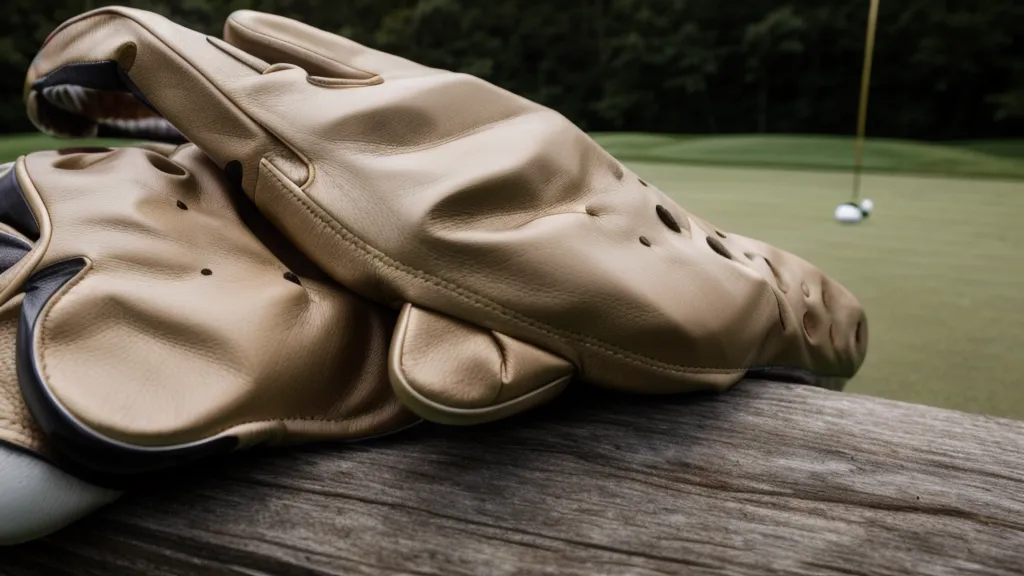
Between late spring and mid-autumn 2026, I logged fifty rounds across three public layouts in the Phoenix valley. When afternoon relative humidity hovers between 10 to 15 percent, normal physics on gear changes completely. Perspiration contains sodium and potassium salts. In normal climates, moisture lingers and you wash or air it out; out here, the liquid evaporates in minutes, leaving sharp salt crystals embedded inside the leather pores.
Those mineral crystals work like microscopic sandpaper against the grain. Every swing grinds the fibers internally until supple leather stiffens into brittle jerky. I keep a detailed notebook tracking yardages, grip wear, and equipment lifespan; by early June during the first summer heat wave, I was tossing high-end gloves into the trash after barely four rounds. Pairing my motorized setup with the Alphard Golf Club Booster V2Pro helped my bad knee survive walking in the heat, but my hands were still losing the war against desert friction.
Cabretta vs. Composite: Testing the FootJoy Roster
I decided to put FootJoy models through a structured trial to see what holds up best under brutal sun. Genuine Cabretta leather comes from hair sheep, which grow hair instead of wool. That gives the skin a tight, buttery grain that feels phenomenal on a wedge shot. But synthetic material integration improves glove durability in arid climates; it simply sacrifices the superior tactile sensitivity provided by full premium cabretta leather construction.
Here is what my log showed after rotating multiple pairs across early June, mid-August during peak humidity swings, and early October:
- FootJoy Pure Touch & StaSof: Pure luxury. The tactile feedback around the greens is unmatched. However, when sweat bakes dry at low humidity, the thumb crease hardens into stiff cardboard within a few weeks unless meticulously conditioned.
- FootJoy WeatherSof: Built with synthetic microfiber across the back and reinforced Cabretta along the palm and thumb. It resists sweat-cracking remarkably well, though you lose some of that soft clubhead feedback on delicate pitches.
- FootJoy RainGrip: An unorthodox summer choice, but the woven auto-suede palm thrives when soaked with sweat in hot weather. It will not stiffen like animal hide, even when baked in the back of my pickup.
During dry rounds, I also rely on proper maintenance tools to keep grime off the grips themselves. Having the best golf club cleaning kits for desert sand and grit nearby keeps airborne soil from accelerating glove abrasion. When the grip stays tacky, your glove hand does not have to squeeze for dear life.
The Mid-August Turning Point: The Rotation Rule
Mid-August brought sporadic storm swings and searing temperatures. It was during a sweltering Saturday round that I had my breakthrough. I hit the turn having burned through another leather palm because I wore the same piece for nine consecutive holes while sweating profusely. The leather was saturated, then baked dry under the noon sun on the tenth tee.
I started keeping three gloves velcroed to the umbrella strut of my push cart, swapping them every six holes across all 18 regulation holes. That simple habit changed everything. By giving each glove twelve holes of shade to air out slowly before salt could crystallize under direct heat, the lifespan doubled. When using a softer urethane ball like the Titleist AVX for regular desert rounds, you want that subtle touch on short shots; pure Cabretta gives you that touch, but it demands rotation discipline.
After 50 Rounds: What the Notebook Says
After about twenty rounds in early October, the patterns in my notebook were undeniable. Pure Cabretta models like StaSof gave me consistent 78-stroke feel and soft handle connection, but required constant rotation and air-drying in a zip pouch. WeatherSof composite construction, on the other hand, survived twice as many rounds without cracking, even when I carelessly shoved it into a bag pocket after 18 holes.
USGA Rule 4.1b caps our clubs at 14, and every single club in that bag relies on the contact patch of your lead hand. If you refuse to rotate gloves every six holes, buy composite synthetic models like WeatherSof. You will give up a fraction of that buttery touch on half-wedge shots, but your glove will not snap along the thumb seam mid-swing. If you want the tour-standard feel of genuine leather, accept the maintenance routine.
For most everyday players dealing with dry desert heat, finding the right blend of micro-synthetic durability and Cabretta palm reinforcement is the sweet spot. Head over to FootJoy to see their current lineup and check pricing on multi-packs before the season gets in full swing.
| Product | Rating | |
|---|---|---|
| FootJoy Top Pick | 8.8 | Read More → |
| Titleist | 8.6 | Read More → |
| Alphard Golf Club Booster V2Pro | 8.4 | Read More → |
| Vice Golf | 8.1 | Read More → |
| SWAG Golf Putter | 8.0 | Read More → |
FootJoy
Pros
- ✔ Industry-standard sizing consistency across synthetic and leather models
- ✔ WeatherSof microfiber blend resists brittle desert cracking better than raw hide
- ✔ Reinforced Cabretta thumb and palm pads deliver grip without premature tearing
Cons
- ✘ Full Cabretta options stiffen fast if dried in direct sunlight
- ✘ Synthetic back panels sacrifice a sliver of close tactile feedback