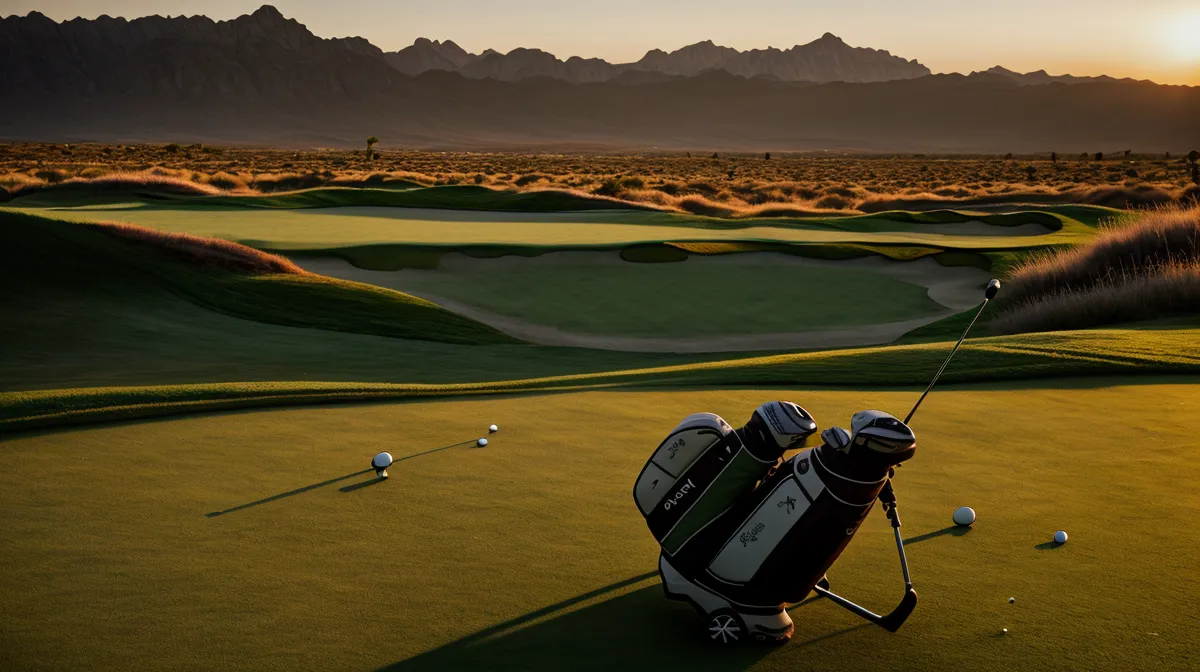
Twelve grams did more for my slice than any lesson ever has. That's the interchangeable weight Cobra tucks into the sole of the Cobra Darkspeed Max fairway wood, and sliding it from the back cavity toward the heel is most of the reason it turned into the most forgiving fairway wood I've carried since I started keeping a notebook on this game. I'm a 47-year-old commercial broker based in Scottsdale, I play two to three rounds a week around the valley, and my handicap currently sits at 14, which matters here because everything below gets filtered through what a mid-handicap swing needs on a public course, not what a club fitter would tell a scratch player.
Quick disclosure since we're already past hello: a few links below send commerce my way, and if you buy through one I earn a commission at no extra cost to you. I don't take press loaners or sponsored clubs; every recommendation here comes off a real bag I've swung for enough rounds to trust it. Full testing notes live in the Editorial Policy if you want the receipts.
That testing ran from a frost-delayed February morning through the flattest part of a Phoenix summer, and most of the rounds happened at Wigwam Golf Club in Litchfield Park, with the rest scattered across a couple of other valley tracks. Fifty-some rounds later, my notebook has more entries on this fairway wood than on anything else in the bag, because the swing between winter overseed and August hardpan asks two different questions of a club, and I wanted an honest answer to both.
Why the LS Version Isn't the Forgiving Fairway Wood I Needed
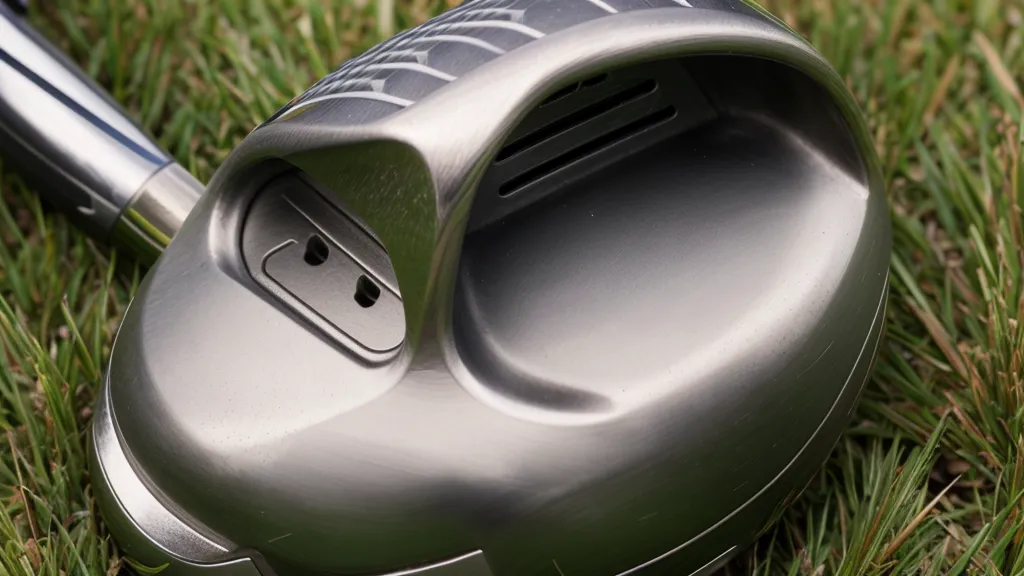
I bought the LS version first, and the matte black finish looked like something a card-carrying tour player would carry, which is exactly the problem; low-spin heads reward speed and strike quality I don't have every time out. Five holes into a round at a local track, I'd lost four balls because I couldn't get the thing airborne fast enough to clear a wash. Driving that club felt like taking a stiff, low-riding truck through downtown traffic on a knee that doesn't bend all the way; impressive on paper, miserable in the moment.
Where the LS chases speed, the Max leans on Moment of inertia, which Wikipedia explains better than I ever could, but on the course it just means the head resists twisting when you catch one off the toe or the heel. I swapped into the Max within the month, and Wednesday mornings I play with Hank Viteri, who's a 17 handicap right up until the back nine gets tight, at which point he suddenly plays like a 9; my swing goes the other direction once fatigue sets in, so a club that forgives a late, tired miss matters more to me than another yard of ball speed. Even on holes where my rotation had nothing left, the Max kept my Titleist Pro V1 out of the scrub instead of feeding whatever lives out there.
Some of that forgiveness comes from the two weights Cobra lets you slide around the sole; move the heavier one back and the club launches easier, move it toward the heel and it helps square a face that wants to leave open. I moved mine to the heel in April after a stretch of push-fades, and it was about the closest thing to a free lesson I've gotten from a piece of metal.
Testing the Max Through a Full Walking Season
I walk almost everything now, using an Alphard Golf Club Booster V2Pro so the push cart does the work my knee used to do. Walking three rounds most weeks changes how you judge a club, because you feel it on the back nine of a hot afternoon the same way you feel your shoes by then. I wrote up the cart itself separately if you want the long version: Alphard Club Booster V2Pro after 50 rounds.
There's a specific sound the carbon crown makes at impact, a soft thud instead of the sharper clack I remember from steel-headed fairway woods years back; it's easier on the hands late in a round, which is when my grip pressure usually starts falling apart anyway. Pulling my glove off after finishing eighteen holes at Wigwam one August afternoon, I found my palm still dry, which told me more about how the round had actually gone than the scorecard did.
Cobra builds this face to keep ball speed more consistent across strikes, and my most common miss is off the toe, so that's the test that actually matters to me. My notebook has one entry where I caught a 5-wood so far off the toe I assumed the ball was gone, and instead it cleared the wash and found grass; I let out an actual sigh of relief, mostly for my knee, which was not looking forward to a walk into the scrub. By the seventh week of carrying this club, that kind of toe-strike result had stopped feeling like luck and started feeling normal. That forgiveness matters more to me now, especially after a stretch earlier this year when a batch of low-compression balls I tried gouged badly against the granite cart paths at Las Sendas; a piece of gear that punishes you for playing hard desert courses just isn't built for this valley.
Carry or Roll: How Each Affects Your Score
Here's the trade-off nobody selling this club online seems to mention: the Max launches high, and a ball coming down steep doesn't roll out the way a lower, hotter flight does. My 5-wood sits at 18.5 degrees on the MyFly8 hosel, and it climbs noticeably higher than the X or LS heads I've hit, which is great for holding a green on a long par-4 and worse for squeezing extra roll on a dry fairway.
On the hardpan fairways around the valley in summer, roll usually works in your favor, but I'd rather have a predictable 210 yards of carry than gamble on a shot that might roll to 230 or might skid sideways into the desert. The Max gives me the boring, predictable number, and boring is underrated once you've spent enough rounds chasing the exciting one into trouble; it reminds me of an old leather wallet more than a flashy new one, nothing about it stands out, but everything stays exactly where it belongs.
Carrying the Max as both a 5-wood and a 7-wood at 21.5 degrees settled something for me once I watched a playing partner thin a long iron into a bunker while I floated a 7-wood onto the green: nobody's grading your ego but you. A reader named Alma Vickery emails me every couple of months, always with the same angle, wanting to know how a piece of gear holds up once the heat gets serious; she asked in July whether the higher launch on the Max would still clear the washes once the fairways baked out completely, and the honest answer is yes, though you give up some roll for it. For the flatstick I still lean on my SWAG Golf Putter, and getting to the green has quietly become the easier half of my game; there's more on that in SWAG Putter across the Phoenix Valley.
What Fifty Rounds With the Darkspeed Max Taught Me
Back in the garage where the test bag rotates on a rolling cart, the west window throws flat, bleaching light across the floor by mid-afternoon, and the round tally I keep in paint marker on the cinder-block wall was closing in on fifty for this club by the time I stopped adjusting anything. Split roughly evenly between Wigwam Golf Club in Litchfield Park and the rest of the valley, those rounds are what convinced me the Max is genuinely the most forgiving fairway wood built for an average amateur, not just a line off a spec sheet. The 1.5-degree adjustment range on the MyFly8 hosel let me fine-tune the whole bag; I ended up lofting my 3-wood up to 16.5 degrees for extra carry, and if you're playing the same baked-out public courses I am, that bit of launch saves rounds.
If you carry a 115-mph swing and play to scratch, the Max might spin more than you want, and that's fair; this was never built as a tour club. It's the same face-and-perimeter-weighting argument you'd make for a forgiving driver, just moved to a shallower head sitting closer to the deck, where a low strike bleeds ball speed differently than it does off a tee. But if you're in your forties or fifties, protecting a joint that's already been worked on, and mainly trying to keep the ball on short grass, this is the club. For the rest of the bag, I wrote up how the Cobra Darkspeed Irons review holds up alongside it.
Blown-up holes off the tee or the deck are exactly what the Darkspeed Max fixes; it turned my long game from something I dreaded into something closer to routine. Pair it with a ball built for these conditions, like the Vice Pro or a comparable premium ball, and the extra launch this club gives you actually shows up on the scorecard instead of just looking good in the air. The box below has today's price on the Max, and that's really where the math on this one gets decided.
cobra-puma-golf
Pros
- ✔ Incredible stability on off-center toe and heel strikes
- ✔ High launch angle makes it easy to clear desert hazards
- ✔ Muted carbon crown sound is much better than old steel
- ✔ Highly adjustable MyFly8 hosel for perfect gapping
Cons
- ✘ Higher spin means less roll-out on firm fairways
- ✘ Matte finish can show scratches from desert sand over time