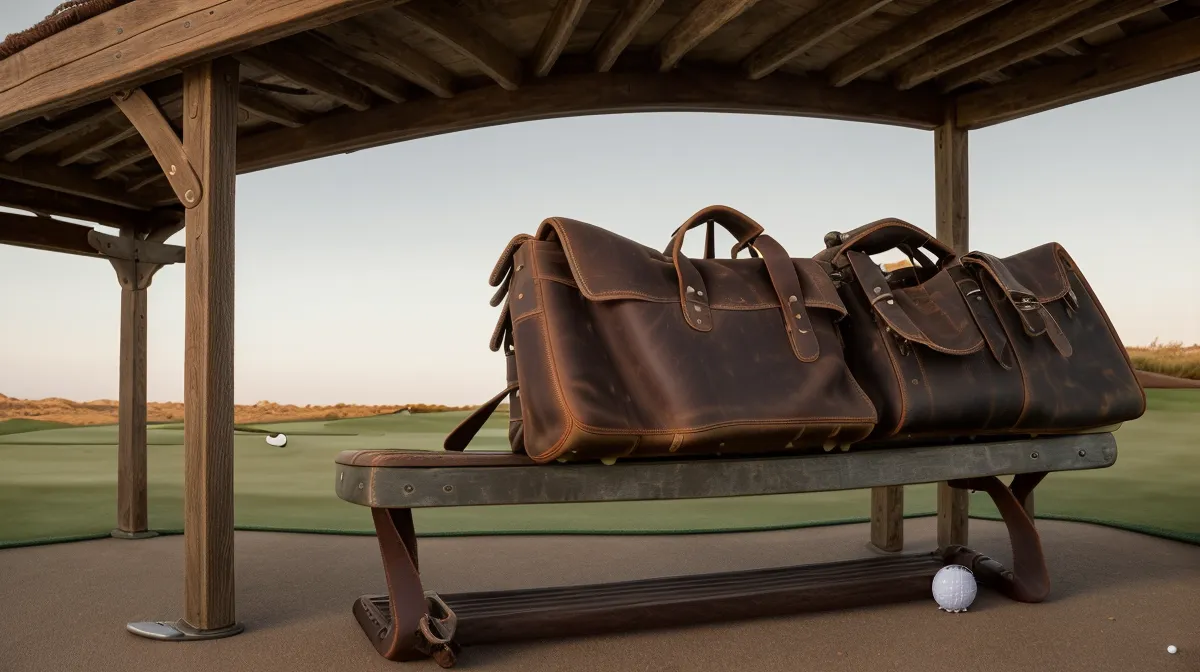
Four hats went into the donation bin before monsoon season ended, and only one survived past round twenty at Las Sendas. That ratio says more about desert golf sun protection than any spec sheet from Cobra or Puma. Golf apparel reviews love a tidy list of winners; this one works the other way, pitting the classic wide-brim bucket against the newer vented performance cap and letting fifty-plus rounds of Arizona heat settle the argument.
Sun protection in this climate boils down to one unglamorous spec: a UPF 50+ rating, the threshold apparel needs to meaningfully block UV rather than just look protective. A cheap giveaway cap or a plain cotton tee offers next to nothing by comparison, which matters more here than it does almost anywhere else golf gets played.
Wide-Brim Buckets vs. Structured Caps: The Desert Golf Sun-Protection Trade-off
Wide-brim buckets win the surface-area argument outright. More fabric means more shade across the ears, neck, and face, and on paper that should settle the debate before it starts.
Structured caps make the opposite case. A low-profile, vented crown does not cover as much skin, but it moves air across the scalp instead of trapping it, and in a climate where humidity sits under 20 percent for most of the golf season, evaporative cooling is doing real work every hole.
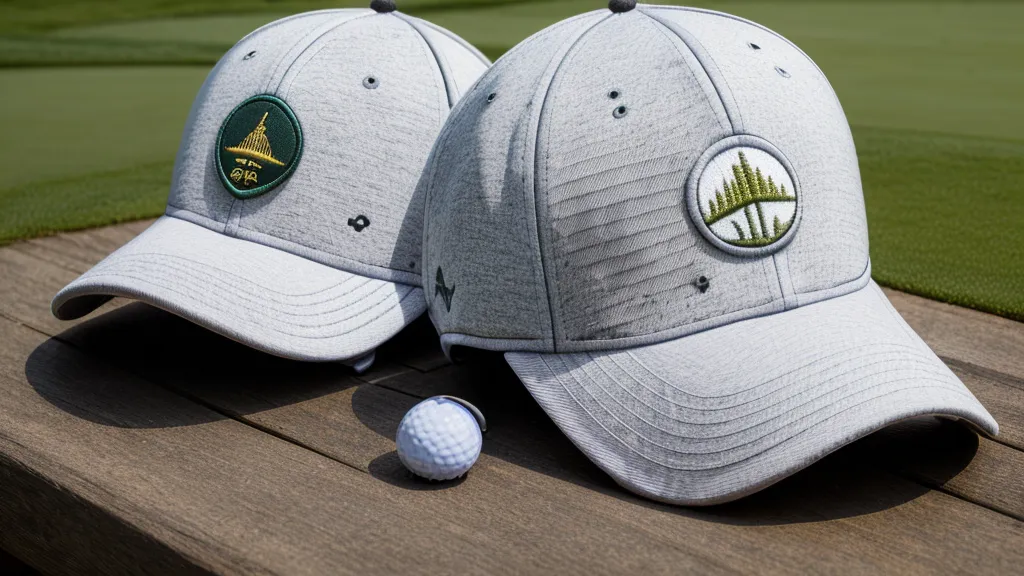
I learned to distrust gear sold on reputation instead of performance the same season I switched to a blade putter because tour players carried one, then three-putted six rounds straight before switching back. A wide-brim bucket hat can fail the same quiet way: it looks like serious sun protection without necessarily playing like it.
Why Airflow Beats Brim Size in Dry Heat
Heat exhaustion, not sunburn, usually ends a desert round early, and at an 11 handicap I notice the fatigue showing up in my scorecard before I notice it anywhere else.
A thick, unvented brim traps a pocket of hot, stagnant air against the scalp, and that pocket builds through eighteen holes faster than most golfers expect. Matched rounds at Las Sendas, same temperature, same tee time, showed roughly a two-stroke gap between a heavy bucket hat and a vented cap by the back nine, and the gap was not about swing mechanics. It was fatigue.
Lonnie Gruber texted me about this exact trade-off before buying his own cap last spring, since he runs most new gear purchases past me now. My answer was the same one I would give anyone chasing full coverage over airflow: buy for ventilation first, coverage second, unless the forecast gives you zero wind and triple-digit heat with no relief.
How Monsoon Humidity Flips the Calculus
Monsoon season erases the dry-heat advantage entirely.
Once humidity climbs, evaporative cooling stops working the way it does in May, and a cheap hat's sweatband saturates fast, sending moisture dripping straight into polarized lenses. The vented caps I tested held a dry channel at the brow longer than the bucket styles did, mostly because their sweatbands were built from moisture-wicking material instead of a plain cotton liner. That difference alone decided whether I could read a breaking putt or just squint at one.
The same shade that keeps sweat out of your eyes also cuts glare, which matters more than most golfers give it credit for. Standing over an approach at Las Sendas with the sun flat in my face, I could still pick out my ball's yellow cover sitting in the first cut eighty yards out, brim shadow doing work my sunglasses alone could not manage. That is really a glare problem wearing a sunburn problem's clothes, and it is worth weighing separately from UPF numbers when you pick a hat.
Wind Gusts Decide the Brim-Stiffness Argument
Desert afternoons are rarely calm.
Gusts of 15 to 20 miles per hour show up often enough that brim stiffness becomes its own category. A soft brim flops into your eyeline mid-swing. A stiff brim cut too wide catches wind like a sail and goes straight into the desert scrub. The Cobra caps with a reinforced, shorter brim handled this best in testing, staying put through gusts that peeled looser buckets right off a couple of playing partners' heads.
I tracked a full year of this kind of gear math, hat included, in The Scottsdale Walk: My Gear Tracking Notes After a Full Year on the Grass, and the pattern there matched what the wind gusts kept confirming on the course: smaller, stiffer brims survive the valley's afternoon breeze better than anything oversized.
Which Hat Wins After Fifty Rounds?
Gord Szabo emailed me last fall with the kind of question he always asks: not whether a hat is good, but how many rounds it survives before the brim loses its shape. That is the right question. Salt from sweat breaks down a brim's structure over time, and the cheaper cotton caps I tested were noticeably misshapen by round thirty, while the better-built performance caps held their line past fifty.
Keeping gear ahead of the desert is a maintenance habit as much as a buying decision, the same way running a club through one of the best golf club cleaning kits for removing desert sand and grit after a dusty round keeps grooves from wearing out early. A hat left to dry crushed in a hot trunk fails the same way a neglected club does: slowly, then all at once.
The verdict splits by conditions, not by brand loyalty. Pick the wide-brim bucket only for the rare round with zero wind and no relief in sight, where maximum shade outweighs the heat it traps. Pick a vented, structured performance cap for almost everything else: windy afternoons, any hint of monsoon humidity, and any round where you are walking instead of riding. Breathable beats bulky in the Arizona sun, and the Ultraviolet index does not care which one looks better on the first tee.